


The hardest fur coat decision is often not whether it once had value. It is deciding what to do with it now, after you count photos, repair cost, storage space, season, buyer questions, and whether anyone will actually wear it.
Before writing a listing or paying for work, choose the outcome the coat can honestly support. An unchecked coat should go through the pre-listing fur coat inspection checklist; once the condition question is clear, choose whether the better answer is sell, keep, restyle, donate, or replace.
Check the coat before choosing what to do
Lay the coat on a table before you open a resale app. Close the hooks. Lift the sleeves. Smell the collar and lining. Check the underarms, cuffs, inside hem, pockets, label, belt loops, and any area that has been pressed in storage. Then ask what outcome this specific coat can handle.
A long mink with flexible backing and clean lining belongs in a different conversation from a fox coat with crushed volume, a shearling with moisture marks, or a rabbit jacket that sheds when handled. Start with what the coat can still do.
A stranger can inspect it online
Photos, measurements, odor notes, lining shots, and price all make sense together.
You still have a real use for it
The coat fits your climate, closet, storage habits, and repeat outfits better than a sale would.
The material is better than the shape
Restyling, donation, or replacement may protect more value than a forced listing.
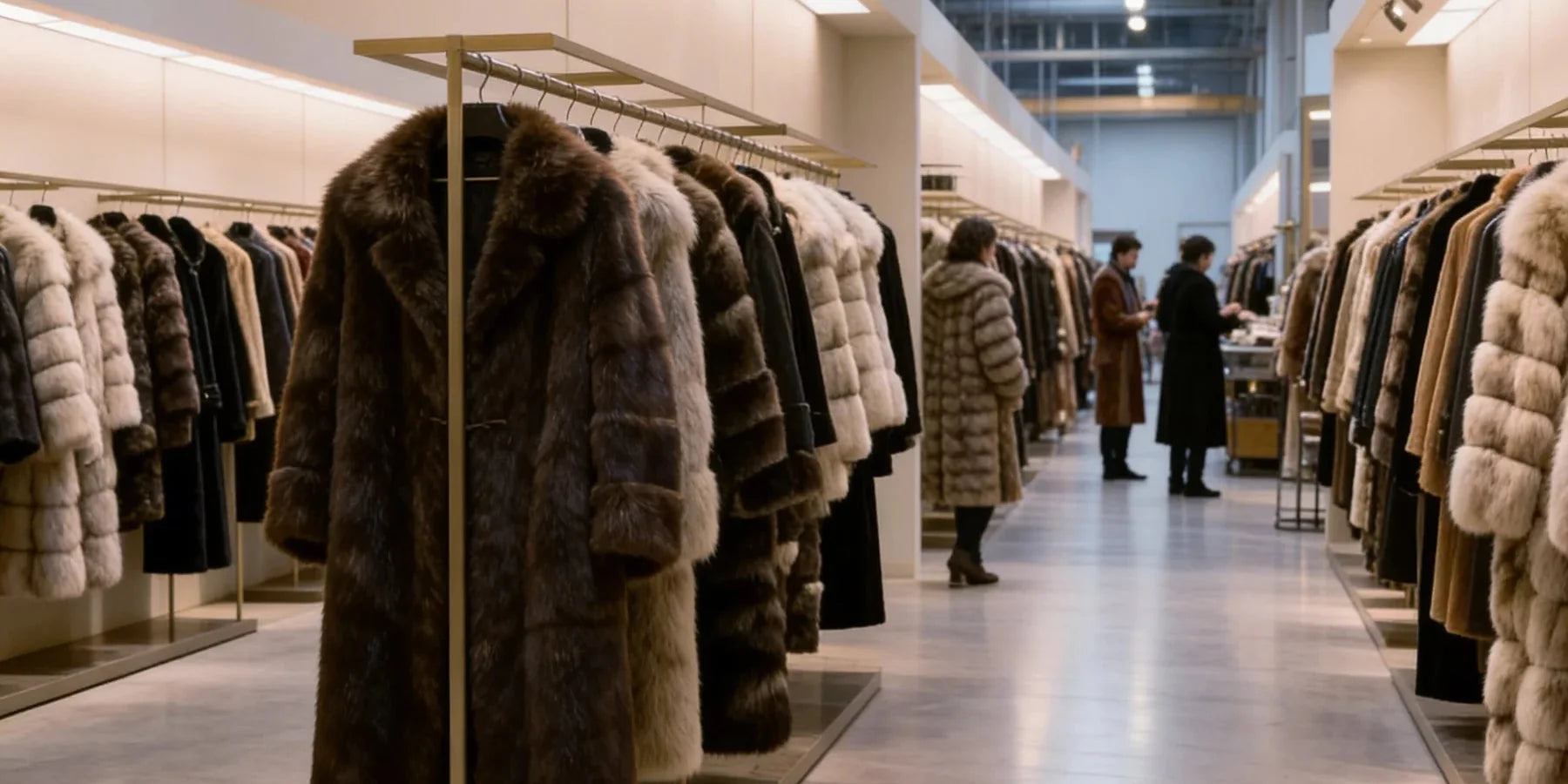
Selling is only one of five choices
Many owners jump straight to selling because it sounds like the most valuable answer. Selling is one possible answer. Sometimes the sensible answer is wearing the coat, restyling good material, donating to clear space, or replacing a coat that will never work again.
The larger Fur Coat Value Resale Guide can help when the decision still feels too broad. Now narrow the decision to the answer you can actually carry out.
| Exit | Best when | Bad when | Next check |
|---|---|---|---|
| Sell | The coat is clean enough, measurable, photographable, and priced for likely buyers. | Hopeful wording would hide odor, sizing, wear, or repair cost. | set a realistic asking range |
| Keep | The coat still fits your winter, storage space, and real wardrobe. | You keep it only because the old price or family memory makes selling feel wrong. | when keeping preserves value |
| Restyle | Material, lining, and backing are stronger than the dated shape. | The quote is high and the new shape still has few likely wearers. | when restyling beats listing |
| Donate | Speed, space, local need, or a clear donation channel matters more than sale price. | You need a assured tax value or assume every charity accepts fur. | when donation is practical |
| Replace | Repair cost is chasing a coat you will not wear or buyers will not trust. | A small repair would make a strong coat usable again. | when replacement is cleaner |
Sell when the listing can survive a buyer's first five questions
A sellable coat can answer the first buyer questions without a long defense. What is the material? What are the measurements? Does it smell? What does the lining look like? Are the cuffs, closures, and underarms shown? Can I see the flaw that explains the price?
A mostly complete answer can move toward a listing. Use resale listing photos and honest condition wording before choosing a price. Selling becomes cleaner when the listing gives the buyer enough to decide without feeling that the seller is asking for trust first.
Missing answers point to a proof problem, not a marketing problem. The missing piece is visible evidence. Add the missing photos and measurements before lowering the price or rewriting the title.
Keep it when wear value is higher than resale value
Some coats can be worth more in your closet than in a listing. Keeping it can still be a practical choice. Climate, car seats, storage habits, and repeat outfits can make the coat worth more in your closet than in a listing.
Real winter use belongs beside the keep-or-sell check. A short mink jacket you wear to dinner, a shearling that handles dry errands, or a trim parka that solves real winter days can be worth more than a small payout and a replacement search.
Keeping becomes weak only when the coat sits because no outfit, climate, storage space, or future occasion is real. At that point, the closet is paying rent for a memory.

Closet space is part of the value math
A coat that needs professional storage, wide shoulders, or careful airing should earn that space through actual use or a realistic future plan.
Restyle when the material is better than the silhouette
Restyling makes sense when the coat has strong material, clean enough lining, flexible backing, and a shape that is doing the damage. A long coat that nobody in the family will wear may have more value as a shorter jacket, trim, scarf, pillow, or other usable piece.
Restyling is not automatically safer than selling. Compare restyling before resale with the repair-cost articles before paying. A restyle quote can turn a weak resale problem into a more expensive weak resale problem if the material is already dry, odorous, or shedding.
A repair-versus-redesign question belongs beside when restyling beats repair. Repair fixes a specific flaw. Restyling changes the use of the coat.
Donate when a clean exit is worth more than waiting
Donation is practical when storage space, time, local need, or personal comfort matters more than squeezing out a sale. For a coat with limited resale demand but usable warmth or material, donation may be the calmer answer.
Donation still needs a reality check. Not every charity accepts fur, not every theater needs it, and tax value is not something a seller should guess. Check the donation choice before driving across town with a coat that may be refused.
Call first. Ask whether the organization accepts real fur, vintage coats, damaged lining, odor, or trim pieces. A quick phone call can protect more time than a month of unanswered listings.
Replacement makes sense when repair would still leave the wrong coat
Replacement is the quiet option people avoid because it sounds like giving up. Replacement is cleanest when the coat is the wrong size, too heavy, too delicate, too odorous, too expensive to repair, or too far from the owner's actual winter.
Compare replacement versus repair when repair money starts chasing a coat you still will not wear. A modern shearling, mink jacket, or fur-trim parka from the right collection may protect future wear better than another attempt to rescue a piece that fails the first try-on.
 Mink coat to compareChoose this when the current coat proves you still want a smooth, dressier fur shape.
 Shearling coat to compareChoose this when warmth, daily wear, and dry winter errands matter more than resale paperwork.
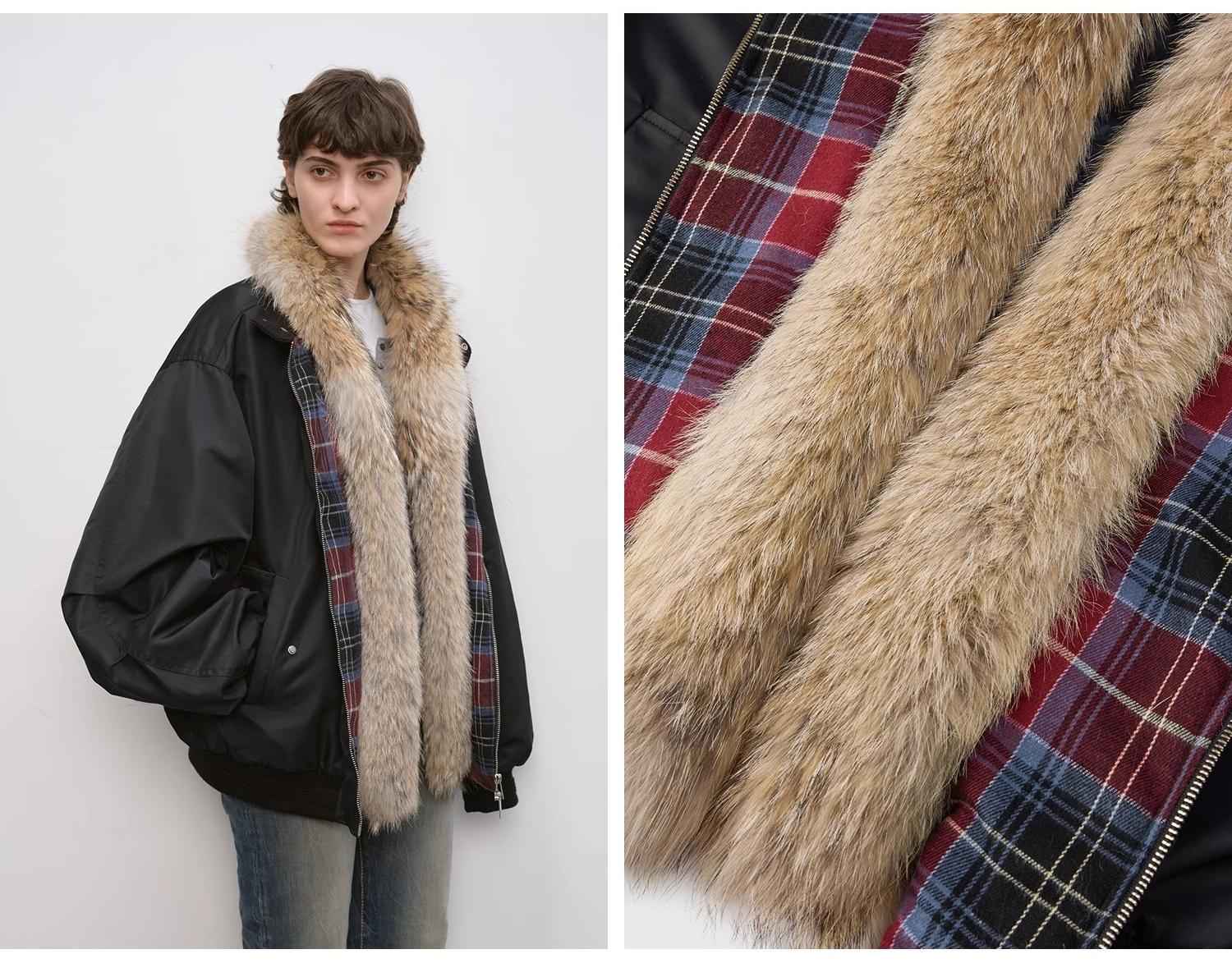 Fur-trim parka to compareChoose this when hood, pockets, weather, and lower-maintenance daily use matter most.
Do the first-hour test
Give the coat one hour of ordinary attention before choosing. Try it with normal clothes, not the perfect outfit. Sit down. Pick up the daily bag. Stand near a mirror in natural light. Open the lining. Check the smell again after the coat has been out of the closet.
During that hour, take the first five photos for a sale, notice whether you still want to wear the coat, mark the shape problem for a restyle, check whether it is clean enough to donate, and write down what any replacement must solve.
- Close every hook, loop, button, zipper, and snap.
- Measure bust, shoulder, sleeve, length, sweep, and any altered area.
- Smell collar, lining, underarms, and storage-facing areas.
- Check whether hair releases on dark fabric after gentle handling.
- Sit for one minute to test bulk, hem, lining pull, and comfort.
- Write the one problem that would still bother a buyer or future owner.
Treat low offers as information, not as an insult
A low offer can mean the buyer is opportunistic. A weak listing can also create low offers. If several buyers ask about odor, sizing, photos, lining, or repair, the market is telling you where the listing is weak.
A low offer does not always need a lower price. First check listing mistakes that reduce trust. Missing measurements, dark photos, vague condition wording, and no lining image can lower offers even when the coat itself is better than the listing.
Repeated low offers after a complete listing may mean the imagined buyer group is smaller than expected. Keeping, donation, restyle, or replacement deserves a second look at that point.
Choose the outcome before the price
Price is not the first decision. A seller who has not chosen what to do next may overprice a keep-worthy coat, underprice a restyle-worthy coat, or waste time selling a donation coat. Set the number after the outcome is clear.
For sale listings, use how to set a realistic asking range after the outcome is clear. The asking range should reflect material, condition, season, size, photos, shipping risk, platform fees, and how many similar coats actually sell.
A first number built from original price, repair cost, family memory, or one expensive online listing should be checked against how to avoid overpricing a fur coat before posting.
Original price belongs in the background
Original price explains why the coat mattered to someone. It does not tell the current buyer whether the coat will fit, smell clean, ship safely, or close at the front. Old receipts and family stories should stay behind current evidence for that reason.
Age, rarity, and labels matter only when the coat still has likely buyers. Age or label pressure should be checked against vintage fur coat value without guesswork and when a label helps vintage value.
The owner can still honor the memory. Owner memory should not set the buyer's price.
Repair quotes can point to a different exit
A repair quote is not a command. It is information. Repair may help the sale if the quote is small and fixes a first-use problem. A large quote should slow the sale when odor, poor fit, dry backing, or a small buyer group remain after the work.
Compare repair before selling with repair costs that usually make sense for small functional work. Check repairs that rarely return their cost when the quote starts to chase the coat's past rather than the likely future buyer.
| Repair quote says | Better question | Likely exit |
|---|---|---|
| Small closure or lining repair | Will this change the first try-on? | Repair, then sell |
| Full relining or major alteration | Will the coat still have enough buyers afterward? | Test market or restyle |
| Odor treatment | Is the coat strong enough after smell is addressed? | Treat only if the rest is solid |
| Structural dryness or brittle backing | Would a buyer still wear this safely? | As-is, donate, or stop |
Inherited coats need a group decision
Inherited fur coats often arrive as a group: one strong mink, one older fox, one damaged stole, one trim collar, one coat nobody can identify. Price them from condition and likely buyers, not from the same emotion. Sort them one at a time.
One coat may be worth listing. Another may be better donated. A third may need restyling. A fourth may have only memory value. Photograph each piece separately, note material and condition separately, and avoid turning the whole inheritance into one oversized sale hope.
When age, size, and buyer demand matter more than condition alone, use buyer signals before listing and size limits the buyer group before committing to a sale route.
Weather and location change the practical answer
A coat in Minneapolis has a different future than the same coat in Miami. Local climate changes whether keeping makes sense, whether local pickup has buyers, and whether donation has a practical home.
Weather also changes replacement decisions. Replacement may protect more wear value if the current coat is beautiful but too delicate for the owner's wet winter. A sale or donation may protect more space if the coat is too warm for the owner's current city.
Name what the coat can still do, then choose the next route. Match it to a place where it can still be used.
Shipping risk can change sell into local sale or donation
Older fur can be expensive to ship and stressful to return. Odor questions, brittle backing, or uncertain size make a shipped sale riskier than local inspection.
Consider local pickup, consignment, estate-sale handling, or a carefully disclosed as-is listing if the coat is fragile but still desirable. Donation or keeping may be safer than shipping a problem if the coat cannot survive handling or buyer disappointment.
A market test helps when the issue is buyer access, not basic interest. Run a market test before repairing.
Donation does not erase condition responsibility
Donating should not mean handing over a dirty, odorous, shedding, or damaged coat without warning. The receiving organization needs to know what it is accepting. Donation still needs a condition note when the coat is not fair to sell.
Ask whether the coat must be clean, whether lining damage is accepted, whether real fur is allowed, and whether altered or vintage pieces are useful. Choose another answer instead of making the organization sort the problem for you if the answer is no.
Restyling should solve a use problem, not create a keepsake problem
A restyle can turn an unworn coat into something usable. Restyling can also create a new object that still sits in storage. Before paying, name where the new piece will go: a shorter jacket, a detachable collar, a throw, a lining, a bag accent, a costume piece, or a family keepsake.
Without a storage plan and a real owner, restyling may only move the guilt into a new shape. The material may be better protected by sale, donation, or simply keeping the coat as a memory.
Memory can justify keeping, but condition still needs honest grading
Some coats are not being kept for resale value. They are kept because they belonged to someone important. Private value can be enough. The problem begins only when private meaning is used to create a public price.
Store it correctly and stop forcing a market value onto it if the coat stays in the family. Write the listing from current condition, not from the family story if it enters the market later.
What FireladyFur checks before suggesting the next step
FireladyFur starts with material and construction, but the decision does not stop there. Check warmth, weight, fit, sleeve movement, odor, care tolerance, storage, photos, likely buyers, and whether a modern replacement would solve more problems.
When the decision points toward buying instead of repair, use the Fur Coat Guide to compare types, or browse a specific collection only after the use case is clear. A replacement choice should answer the same decision that made the old coat difficult.
Before the coat leaves your hands
Sell when the listing can answer a stranger's questions without hiding the hard parts.
Keep when the coat still earns closet space through real wear, storage, climate, or family meaning.
Restyle when the material is strong and the shape is the weak part.
Donate when time, space, local need, or a cleaner handoff matters more than sale price.
Replace when repair money would still leave the wrong coat in your life.
FireladyFur keeps resale advice tied to visible coat evidence and practical owner choices. For brand context, see About FireladyFur; for evidence limits and corrections, see FireladyFur Editorial Standards.
Casebook: apply the five exits to real coats
The inherited mink with one good season left
The lining is clean, the backing is quiet, and the coat still closes, but no one in the family wants to store it. This is usually a sell choice, not a restyle choice, because the coat can still answer a buyer's basic questions.
Photograph the lining, cuffs, label, and measurements, then use a realistic asking range. The sale is working if the first messages ask only about size and shipping.
Dryness, or whether the lining was replaced, the coat needs more proof before the price moves if the messages ask about smell.
The fox coat that looks better in memory than in photos
Fox needs volume to look intentional. The cuffs are matted, and the coat looks heavier than the likely buyer wants, selling may be slow even when the material name sounds attractive if the shoulders are crushed.
Check fox fur volume and resale demand before pricing it from old glamour. A restyle or donation may be cleaner if the volume cannot be made readable.
Better photos may be enough if the coat still has dramatic collar shape and the wear is local. Avoid cutting a coat apart before seeing whether the current drama has a buyer.
The shearling that still works for errands
Shearling can keep value through use rather than resale. Fits over normal layers, and does not need delicate storage, keeping may beat a modest sale if the coat handles dry winter errands.
Use the keep choice when the coat still solves ordinary winter. A replacement only makes sense if the coat is too heavy, too stained, or no longer fits.
The owner should not sell a useful coat and then buy a similar coat because the sale sounded productive.
The rabbit jacket with a charming look but fragile surface
Rabbit can be wearable and pretty, but it should not be priced as a high-ceiling luxury piece. The better path may be a low-pressure sale, donation, or keeping for occasional use if the surface is fragile.
Compare with rabbit fur listing limits before building a strong resale story. Buyers need honesty more than drama.
Avoid letting a cute shape carry the listing if the jacket sheds or has bald areas.
The long coat that nobody can drive in
A full-length coat can still have value, but daily use changes when the owner has to drive, sit, climb stairs, or store the coat in a smaller closet. Keeping may not be real value if the coat looks formal and the owner's life is not formal.
Check long coat versus jacket demand before assuming the only answer is replacement. There may still be a buyer for length if the photos and measurements are strong.
If nobody in the current household can use it and the buyer group is narrow, restyle or sale deserves a test before repair.
Small hook repair on an otherwise strong coat
A small repair can be worth doing when it changes the first try-on. A working closure and smooth lining make the listing easier to read.
Route this to repair before selling rather than replacement. Then show the repaired hook open and closed.
Avoid describeing the whole coat as restored. The repair fixed one part.
Odor after cleaning
A cleaning receipt does not erase current smell. If smoke, damp storage, perfume, or mothball odor remains, the next move has to name that before price or donation.
Use odor treatment before selling if the coat is otherwise strong. Use more cautious wording and choose the buyer channel carefully if the smell remains.
A local sale may be safer than shipping when scent is the main risk.
Full relining changes the math
Relining can help when the fur body is strong and the owner or buyer wants the coat enough. It is not automatically worth doing before resale.
Compare the quote with repairs that rarely return their cost and with the realistic asking range. Sell as-is, restyle, or donate if the sale price cannot absorb the work.
Relining may be a private use expense rather than a resale investment if the coat is kept for family meaning.
The estate group with five different coats
Avoid making one decision for the whole group. One coat may be sellable, one may be donation-only, one may be a keepsake, and one may not be fair to hand off without a flaw note.
Sort each piece by material, condition, size, smell, lining, and likely use. Photograph separately and avoid using the strongest coat to justify weak language for the rest.
A simple spreadsheet or note list can prevent family arguments because the decision is tied to the coat, not to memory alone.
Label value still needs wearable fit
A label helps only after the coat can still be worn. The shoulders are difficult, or the sleeves are short, the buyer group shrinks if the size is extremely narrow.
Use label value and size limits together. The label can stay in the listing, but it should not override fit.
Title wording cannot fix measurements that rule out most buyers.
The piece a theater might want
Costume use can protect value when everyday resale is weak. Dramatic color, dated silhouette, oversized trim, or visible age may be useful in theater even when retail buyers hesitate.
Use the donation choice and call first. Ask whether they need full coats, collars, stoles, or trim, and whether odor or lining damage is acceptable.
Avoid assuming every theater wants fur or has storage for it.
Repeated price cuts
Repeated price cuts can mean the number was too high. They can also mean the photos are weak, the listing is missing measurements, or the buyer group is smaller than expected.
Use listing mistakes before another discount. Choose a different exit rather than punishing the coat with endless price drops if the listing is complete and buyers still do not respond.
A floor price protects the owner from turning a poor sale into resentment.
Expensive returns change the sale
Shipping risk matters more with fur than with many garments. Weight, smell, fit, and fragile condition can create return messages that cost more than the sale is worth.
Local pickup or consignment may be cleaner if the coat is desirable but sensitive. Donation may protect more time if the coat is risky and low value.
A seller should not use a no-return line to cover vague condition wording.
A parka may solve the real winter problem
A full fur coat can be beautiful and still be wrong for wet sidewalks, school runs, grocery bags, or public transport. Replacement is practical when daily winter asks for pockets, hood, shell, and easier care.
Use replacement instead of repair before paying to make the old coat slightly better. The new coat should solve the old coat's daily failure.
The old coat can still be sold or donated honestly after replacement.
Memory can be the main value
Some coats should be kept because the family wants the object, not because the market rewards it. The choice is still legitimate. The clean move is to store it as memory and stop turning it into a forced sale.
Use the keep choice and the Fur Coat Care Guide if the coat stays. The family can photograph it, write its history, and preserve it privately.
A future listing should return to current condition.
A tempting restyle sketch needs a wearer
A sketch can make an old coat exciting, but the finished piece still needs a wearer. Before cutting, write where the new piece will be kept and who will use it.
Use the restyle choice and ask whether the material is healthy enough for the work. A restyle sketch cannot rescue brittle backing.
Restyling should solve use, not guilt.
Clear current condition can outweigh missing paperwork
No records does not make a coat unsellable. It simply means the current photos and wording have to do more work.
Use care history notes if the seller needs wording. Unknown earlier care should be named plainly, then current lining, cuffs, closures, and measurements should be shown.
A no-record coat can still sell well when it is honest and easy to inspect online.
Too good to donate and too hard to sell
This is where a market test helps. Post or inquire with honest photos, condition, and a realistic range, then read the response before spending money.
Use testing the market before repairing when the owner is not sure whether the missing buyer is real or only imagined.
Donation or keeping may be cleaner than another rewrite if the test creates silence or only very low offers.
Read buyer messages before choosing the next move
Buyer messages are not just interruptions. They show what the listing has failed to answer. A serious buyer asking for measurements is different from a bargain hunter asking for half price. A local buyer asking about smell is different from a distant buyer asking about return policy.
Sort messages by topic before reacting. A repeated buyer question should be handled before the next move is final.
| Message pattern | What it may mean | Better next move |
|---|---|---|
| Can you send sleeve and shoulder measurements? | Fit is the buyer's first concern. | Add measurements and keep the sale open. |
| Does it smell like smoke or storage? | Odor risk is blocking the sale. | Answer plainly and check the odor article. |
| Would you take much less? | Price may be high, or proof may be weak. | Fix the listing photos and notes before discounting. |
| Can this be shortened? | Shape may be blocking demand. | Compare restyle and market test. |
| Can I see the lining and cuffs? | Photos are incomplete. | Add inside and wear photos before price changes. |
| Is pickup possible? | Shipping risk may be affecting the decision. | Consider local sale or consignment. |
When two next moves both look reasonable
Sell versus keep
Choose sell when the coat has buyers and low personal use. Choose keep when the coat still prevents a replacement purchase or carries family meaning that matters more than a modest payout.
Buyer questions, repair quotes, storage limits, winter use, and donation answers are stronger than a nice story.
Sell versus restyle
Choose sell when the current coat can be photographed and priced well. Choose restyle when the material is healthy but the present shape blocks both wear and buyer interest.
A practical clue usually shows up in one place: a message, a quote, a storage problem, a real winter use, or a receiving organization's answer.
Sell versus donate
Choose sell when the after-fee price is worth the work. Choose donate when messages, photos, packing, and storage cost more energy than the likely sale returns.
Let the visible clue lead: a buyer asks, a repair quote changes the math, storage runs out, winter use is real, or a donation channel answers.
Keep versus replace
Choose keep when the coat still answers your winter. Choose replace when repair or care would still leave a coat that does not fit your weather, closet, or daily routine.
The decision gets easier when one outside fact appears: a buyer question, a furrier quote, a storage deadline, repeated wear, or an acceptance call.
Repair versus replace
Choose repair when one fix changes first use. Choose replace when the coat remains wrong after the fix.
Memory can stay in the background; the next move should come from a message, quote, storage limit, wearing habit, or confirmed handoff.
Donation versus disposal
Choose donation when a receiving organization accepts the coat honestly. Choose disposal or professional advice when the coat is too odorous, brittle, contaminated, or damaged to hand off fairly.
A coat's next step usually becomes clearer after one concrete fact, not after another round of persuasion.
Restyle versus family keepsake
Choose restyle only when the finished piece has a user. Choose keepsake storage when the value is memory and no redesigned item has a real job.
Let the buyer question, repair quote, closet limit, winter routine, or donation response be the stronger clue.
Market test versus immediate listing
Choose a market test when repair or restyling would cost money first. Choose a full listing when condition, photos, and price are already clean.
The useful clue is the one someone can act on: show the flaw, answer the buyer, call the recipient, or compare the repair quote.
The five exits after a repair quote
A repair quote often makes owners feel they must choose between paying and giving up. The better move is to send the quote through all five exits.
| Exit | Question after the quote | What the answer means |
|---|---|---|
| Sell | Will the repair change the buyer's first try-on? | Repair may be worth it if the coat is otherwise strong. |
| Keep | Will the repair make you wear the coat again? | Private use can justify work that resale would not repay. |
| Restyle | Would redesign solve more than the repair? | Restyle only if material is healthy and the future piece has a job. |
| Donate | Would the coat be accepted without this repair? | Donation may protect time if sale value is low. |
| Replace | Would the repaired coat still be wrong? | Replacement may protect future use better than another fix. |
The five exits after a low offer
A low offer does not always mean the coat is bad. It may mean the listing is incomplete, the timing is poor, or the buyer is not the right buyer. Still, low offers are useful when they repeat.
Lower the expected sale value and compare the other exits if the coat receives low offers from different buyers after the listing is complete. Measurements, or an odor note, fix the listing first if the offers arrive before the listing has lining photos.
The five exits after a storage problem
Storage problems change value because they touch smell, shape, and backing. Crushed storage, plastic sealing, or damp space can leave material value while making the next move more cautious.
A mild storage issue may still allow a sale with honest wording. Storage risk may point to local inspection, donation with disclosure, or keeping as a memory piece. Avoid using old care memories to cover current storage evidence.
Owner worksheet: small facts that change the exit
a clean lining but the shell looks dated
Avoid rushing to restyle. A clean lining is a strong sale signal, and the dated shell may still appeal to a vintage buyer. Test the market with honest photos before paying to alter the shape.
Restyling gains weight if the first messages ask about shortening. If messages ask about size, add measurements. If there are no messages, review price and photo quality before cutting.
a damaged lining but beautiful fur
The decision turns on use. Wearable-coat buyers will worry about the lining. A restyle buyer or craft recipient may care more about the fur body.
Get one repair opinion, then compare sale as-is, restyle, and donation. Avoid letting beautiful exterior photos hide the inside work.
Strong smell without visible damage
Odor can matter more than a small tear because it meets the buyer first. The answer may move from sell to treatment, local sale, donation with disclosure, or keep for memory.
Describe the scent by source when possible: smoke, damp storage, perfume, mothball, or stale closet. A vague clean line will not protect the seller after delivery.
Size is the real blocker
Size can turn a good coat into a poor keep decision. If no one can wear it, family meaning must be strong enough to justify storage.
Measure it carefully. Small vintage sizing may still sell if the condition is good and the listing is honest. Donation or restyle may be cleaner if the buyer group is too narrow.
Fits well but feels too formal
Formality is a use problem, not necessarily a value problem. Formal buyers still exist. The current owner may not.
Try one market test before replacement. If buyers respond to the shape, sell. If not, restyle or donation may be the more practical exit.
Emotional discomfort can matter
Sometimes the coat fits and is warm, but the family connection makes wearing it uncomfortable. This is a real keep-versus-sell issue.
Take photos, record the story, and let the family decide whether memory is better preserved privately or by sending the coat to someone who will use it.
Repair quote arrives before the photos are done
Pause the quote. Photos may show the coat has buyers as-is, or they may reveal issues that make repair unwise.
Take the photo set first. Then decide whether the quote fixes the buyer's concern or only makes the seller feel safer.
one missing belt
A missing belt affects shape and expectation, but it may not ruin value. Show belt loops, say the belt is missing, and photograph the coat closed without it.
Restyle or replacement belt work may help if the coat depends on the belt for shape. The sale can continue if it wears cleanly open.
a valuable label and weak photos
Avoid letting the label carry the listing. Lining, cuffs, measurements, and condition still matter.
Improve the photos before setting a label-driven price. The label can help click quality, but it cannot answer wear questions.
many small flaws
Several small flaws can add up to one big buyer worry. Loose hook, cuff rub, lining pull, and faint odor together should lower the expectation, even if each flaw alone is manageable.
List the flaws plainly, price the group, or choose local sale. Avoid writing around them as normal vintage wear without showing them.
one severe flaw
One severe flaw can dominate the decision: active shedding, brittle backing, strong odor, or large lining damage. The next move should handle that flaw first.
A severe flaw does not always mean no value. It means ordinary sale wording, strong pricing, and gift handoff all need more caution.
Owner only wants the coat gone
Speed has value. Donation, local sale, or a low as-is price may protect more practical value than waiting for a perfect buyer if the seller wants the coat out quickly.
Write the speed goal down. Then avoid pretending the path is about maximum price.
Owner wants top price but not the listing work
Top price requires photos, measurements, and clear condition notes. It needs photos, measurements, condition notes, messages, and patience.
A lower-effort exit may be more honest: consignment, local sale, donation, or keep if the owner does not want that work.
Video request shows movement worry
A video request often means the buyer worries about movement, shine, size, or condition. Repeated hair release is a serious signal, not a nuisance.
Show the coat opening, closing, sleeve movement, lining edge, and full body. If video reveals stiffness or shedding, update the decision before accepting payment.
A furrier says repair is not worth it
That opinion does not always mean the coat has no use, but it should slow down resale wording. Ask what specifically fails: backing, lining, seams, material, odor, or cost.
That detail can point to sale as-is, donation, keepsake storage, or replacement. Avoid turning a cautious opinion into a confident public listing.
If two family members want different exits
Separate private meaning from market evidence. One person may want to keep it; another may want the money or closet space.
Use photos, condition notes, and realistic price range as neutral evidence. Then decide whether family meaning outweighs market value.
Moving day changes the value math
Time and space become real costs. A slow sale may not be practical if the coat must leave before moving day.
Choose a deadline. Before that date, try sale or local inquiry if realistic. After that date, donation, gift, or keepsake storage may be cleaner.
No winter means no wear
Climate matters. A Chicago winter coat may not work in Arizona or Florida. Keeping may become storage without use.
Sell to a colder-market buyer if condition supports it, donate locally only if accepted, or replace with outerwear that fits current weather.
Fur trim changes the question
Trim decisions include the shell, zipper, hood, insulation, pockets, and trim attachment. Avoid judging it like a full fur coat.
Keep or replace only after checking function if the parka still works for daily winter. The trim alone may not justify a high resale if the shell is worn out.
been cleaned but never worn since
Cleaning helps only if current condition still agrees. A clean receipt from two years ago does not tell the buyer what storage did after cleaning.
Take current photos and odor notes. If everything still looks good, the sale strengthens. If not, the cleaning stays background.
Owner fears making the wrong choice
Choose the reversible step first. Photos, measurements, inspection, and market testing keep options open. Cutting, donating, and selling cheaply are harder to reverse.
When uncertain, gather photos and measurements before choosing the exit that cannot be undone.
no obvious flaw but no one wants it
Some coats can be sound and still have weak demand. Color, length, size, style, region, or season may be the blocker.
Stop polishing the condition paragraph. Check demand, price, and exit alternatives.
A direct gift can protect value
A direct gift can protect value when the recipient truly wants it and understands care. A direct gift may beat a public listing with fees and returns.
Still write measurements and condition. A gift should not become a surprise repair project.
become a storage argument
Storage cost is no longer invisible when the coat causes repeated family or closet conflict. The next move should solve the argument, not only the theoretical value.
Set a decision date and choose the highest practical path that the family will actually complete.
Extra situations that change the choice
Coat has value but no urgency
Some coats can be sellable without needing to be sold this week. If condition is good and storage is safe, waiting for winter demand may protect more value than rushing into a weak offer.
The owner should still keep photos, measurements, and condition notes ready so the coat is not rechecked from scratch later.
Coat has urgency but uncertain value
A move, estate cleanout, or storage deadline can make speed more important than maximum price. That does not make the coat worthless; it changes the answer.
The fastest honest route may be local sale, consignment inquiry, donation call, or family handoff with condition notes.
Good photos can hide dry feel
Some coats can photograph well and still feel dry, stiff, heavy, or scented. The exit should account for what the buyer will discover after the photo.
Use more cautious wording or choose local inspection instead of a shipped sale if the hand test creates doubt.
Good condition may need better photos
Some strong coats need better lighting, a clearer hanger, or a worn photo to show shape. Avoid assuming low online interest means low value if the first photo makes the coat look flat.
Retake the photos before moving to donation or drastic discounting.
Color can narrow demand
White, red, pastel, bright dyed, or unusual patterned fur can be beautiful but more specific. A narrow color does not mean no value; it means the buyer group is smaller.
The title and photos should show the color clearly so the right buyer sees it and the wrong buyer moves on.
Too much warmth can be a mismatch
Warmth can become a mismatch after a move or lifestyle change. Too much warmth can make the coat valuable to someone else but weak for keeping.
Sale or donation to a colder-market user may protect more value if the owner is in a mild climate.
Coat is too delicate for the owner's routine
A coat that cannot handle parking lots, wet sidewalks, shoulder bags, or office chairs may be wrong for daily use even when it is beautiful.
That points toward keeping for occasion use, selling to a better-fit buyer, or replacing with a more practical coat.
Coat has one strong product option
Replacement can be clear if the old coat proves the owner loves one type of outerwear. A too-long mink may point toward a shorter mink jacket; a fussy full coat may point toward trim or shearling.
The new product option should come from the old coat's failure, not from browsing alone.
In-person inspection may be cleaner
Some coats are hard to judge remotely because of scent, stiffness, weight, or fit. Local sale may protect both sides better than shipping.
Use local pickup, appointment-based sale, or consignment when online photos and notes cannot do enough.
Seller cannot answer material confidently
Avoid guessing in the title if the material is uncertain. Use visual facts and condition details while seeking professional help if the material affects price.
A wrong material claim can create more risk than a cautious listing.
Coat has a detachable piece
Detachable collars, hoods, cuffs, and belts need their own photos. Missing or damaged detachable pieces can change value even if the main coat is strong.
Show every included piece separately and say what is not included.
Alterations need measurements
Alterations can help or limit value. Shortened sleeves, changed lining, resized shoulders, or removed belts should be named if known.
Measurements matter more than old size tags after alteration.
Seller wants a clean conscience
A clean conscience comes from telling the next person what they are receiving. That applies to sale, donation, gift, and restyle handoff.
The next move should never depend on the next person discovering the hard part later.
Material-only value is different from wearable value
Some older coats no longer work as wearable garments but still have usable material for a furrier, costume shop, craft, or family keepsake.
Avoid pricing material-only value like ready-to-wear value. Name the condition and route it accordingly.
A strong story cannot fix weak condition
Stories can be meaningful, but they cannot fix odor, hard backing, missing parts, or poor fit.
Keep the story for the family note and let the public decision come from the coat.
Coat has no single right answer
Some coats can reasonably be sold, kept, or restyled. In that case, choose the path with the fewest hidden costs and the clearest next action.
A practical answer is better than a perfect-sounding answer nobody completes.
Private comfort can change the exit
Personal comfort matters. If selling fur feels wrong for the owner, donation, restyle, private gift, or keepsake storage may be the better path.
The decision should match the owner's values and the coat's condition.
Professional eyes may be worth it
Hard backing, uncertain material, major repairs, or valuable labels may justify a furrier or specialist opinion.
Let the opinion shape the next route. Avoid asking a professional only to ignore the part that lowers value.
Narrow demand is not no demand
A narrow buyer group is not the same as no buyer. A small size, formal shape, or unusual color may still work for the right person.
The question is whether finding that person is worth the time and proof the seller must provide.
Poor storage can make waiting costly
If storage is poor or care is unlikely, acting now may protect more value than waiting for an imagined better season.
One poor storage year can weaken a good coat.
Shared family value needs shared facts
Use condition, likely sale range, and storage effort as shared evidence. Avoid letting one person's memory decide every piece.
If selling, keep records of the asking range and actual offers so the outcome feels less arbitrary.
Local demand can matter
Local context matters. Local winter or costume demand can matter even when national online demand looks weak.
Test local channels before assuming the only choices are online sale or donation.
Photos can change the answer
Photos can reveal flattened fur, lining pulls, missing belt loops, or a better shape than expected. Let that new evidence change the answer.
A good process allows the coat to surprise you in either direction.
Better presentation can be enough
Sometimes the best next move is still sale, and the missing piece is simply better presentation.
Do the work: photos, measurements, scent note, condition details, and a realistic range if the coat is sound.
Observable facts calm the decision
Move back to observable facts: material, lining, odor, backing, fit, storage, repair quote, buyer messages, and likely use.
The emotion can stay in the background. The action should come from the coat.
Count money, time, space, and risk before the final choice
Money costs need a reason
Repair, cleaning, storage, appraisal, and restyling all need a spending reason. Pay when the cost changes the answer, not because the coat feels unfinished.
Pause if the spending only makes the seller feel better while the buyer question stays the same.
Time cost is part of the value
Listing, donation calls, consignment appointments, and family discussions all take time. Count that time before chasing a small difference in price.
A path that takes less money but months of effort may not protect practical value.
Space has a cost
A coat kept for someday uses closet width, hanger care, and attention. Space is part of the value equation.
Another exit may protect more value if the coat is crowding other items or being stored poorly.
Certainty matters
A shipped sale, vague repair quote, or uncertain donation channel can add risk. Fewer surprises for the next person should decide the route.
Sometimes a lower local sale is cleaner than a higher shipped sale with scent or fit risk.
Cutting changes the coat
Restyling, cutting, or heavy repair changes the object. Make that choice only when the current coat is unlikely to protect more value intact.
Preserve that path until buyer demand proves otherwise when the coat is strong as a coat.
Family agreement matters
A sale can create regret if one person still feels attached. A keep decision can create resentment if one person carries all the storage work.
Use facts and deadlines so the family is deciding from the coat, not from pressure.
Buyer goodwill matters
A buyer who receives odor, hidden lining damage, or a missing belt will remember the listing more than the price.
Protect goodwill by naming the issue before payment, even when that lowers the number.
Future use matters
Selling a wearable coat may create a new purchase later. Donating a coat too soon may remove a family option. Repairing the wrong coat may use the budget for a better replacement.
Look one season ahead before choosing the exit.
Irreversible choices come last
Cutting, donating, discarding, or accepting a very low sale cannot be undone easily. Use reversible steps first: photos, measurements, inspection, market test, and family review.
Irreversible choices are best made after the coat has answered the practical questions.
Unclear choices need one missing check
Return to the first five checks: condition, use, buyer demand, cost, and storage. One of them is usually unresolved.
Name the missing check and do only that next.
Write the choice in one plain sentence
After every check, the final sentence should be simple. Sell this coat because the photos, measurements, condition, and range are strong enough. Keep this coat because it still earns wear or memory space. Restyle this coat because the material is stronger than the shape. Donate this coat because the handoff is cleaner than the sale. Replace this coat because repair would not solve the next winter.
Write them if the sentence needs exceptions. Pause if it needs persuasion. A fur coat decision should not depend on prettier words than the coat can support.
Think about the person who receives the coat
For sale, the handoff is a buyer opening the box. For donation, it is a receiving organization sorting the piece. For keeping, it is the family finding the coat next season. For restyling, it is the furrier opening seams. For replacement, it is the owner using the new coat without repeating the old problem.
Make the handoff easy to understand. The easiest handoff usually protects the most practical value.
A final example before you choose
Picture a clean short mink jacket with complete measurements, no concerning odor, and one small repaired hook. That coat probably deserves a sale. Picture a long fox coat with crushed cuffs, no likely wearer, and a high restyle quote. That coat may need a market test before anyone spends money.
Picture a family shearling that still gets worn on dry winter errands. That coat may be worth keeping even if resale is modest. Picture a rabbit jacket with shedding, narrow sizing, and low expected price. Donation, craft use, or a very cautious as-is listing may protect more value than a hard sell.
The same five words keep doing the work: sell, keep, restyle, donate, replace. The right one is the answer you can carry out honestly.
Choices that usually create more work later
Listing first and checking condition later
This creates the fastest regret. Questions about odor, lining, or measurements can arrive before the seller is ready. Pressure editing usually follows.
Inspect first, then write. The order matters because condition decides the answer.
Repairing because the coat was expensive
Original cost does not prove repair will help. A repair should change current use or current sale, not honor an old receipt.
Avoid letting the quote set the path if the repair does not answer the buyer's first worry.
Donating without calling first
A refused donation wastes time and can make the owner feel as if the coat has no value. The problem may only be policy, season, storage, or condition rules.
Call first and ask what the recipient can actually use.
Restyling without a future owner
A restyle without a user often becomes a second stored object. The new piece should have a person, place, and care plan before work begins.
If that plan is missing, keep, sell, donate, or replace may be cleaner.
Replacing before deciding the old coat's exit
A new coat can distract from the old one. Then the closet holds both: one solved purchase and one unsolved decision.
Settle the old coat's exit before the replacement arrives.
Letting a low offer decide everything
One low offer is not the market. Several low offers after complete photos and fair pricing matter more.
Read offers with the evidence beside you: photos, measurements, condition notes, season, and the floor price.
Run the older-coat checklist
Before you publish, pay, donate, or shop, write one sentence for the coat: This coat should be sold, kept, restyled, donated, or replaced because... The answer may not be ready if the sentence needs a long defense.
The step-by-step version is in the older-coat checklist for older fur coats. Use it when the coat has too many competing signals and you need a final pass.
Choose the path before choosing the price
A good next move makes the next action calmer. Sell with evidence, keep with purpose, restyle with a real use, donate with acceptance confirmed, or replace when the old coat no longer fits the job.
Should I sell, keep, restyle, donate, or replace an old fur coat?
Choose sell when photos, measurements, condition, and price can answer buyer questions. Keep when the coat still earns closet space. Restyle when strong material is trapped in the wrong shape. Donate when a clean handoff matters more than sale price. Replace when repair money would still leave the wrong coat.
Is selling always the best way to protect fur coat value?
No. A low after-fee sale, risky shipping, repair cost, or weak buyer demand can make keeping, donation, restyling, or replacement more practical.
When is restyling better than listing a fur coat?
Restyling is better when the material, backing, and lining are strong but the length, shape, or styling keeps likely buyers away.
When should I replace a fur coat instead of repairing it?
Replace when the coat is the wrong size, too damaged, too costly to fix, too hard to store, or no longer fits the winter life you actually have.


