


Material photos should lower buyer doubt, not decorate the listing. A pretty front shot tells the buyer the coat exists; close, ordered photos tell the buyer whether the material claim deserves trust.
If the material value overview has already narrowed the claim, the photo set has to do the next job: make that claim visible before the buyer starts asking for proof.
- First image: clean full view that tells the buyer what garment is being sold.
- Second image: material surface close enough to judge density, pile or finish.
- Third image: lining, hem or inside edge so construction is not hidden.
- Fourth image: collar, cuffs and closures because wear usually appears there first.
- Final proof: flaw photo, label, measurements or attachment detail that answers the hardest buyer doubt.
The first photo sells attention; the next photos sell trust
Keep the first image clean and attractive, but do not stop there. The buyer needs the surface closeup, collar, cuffs, lining, hem, label, closures and any wear areas. Pair this with fur coat resale photos buyers need when the whole listing photo set is weak.
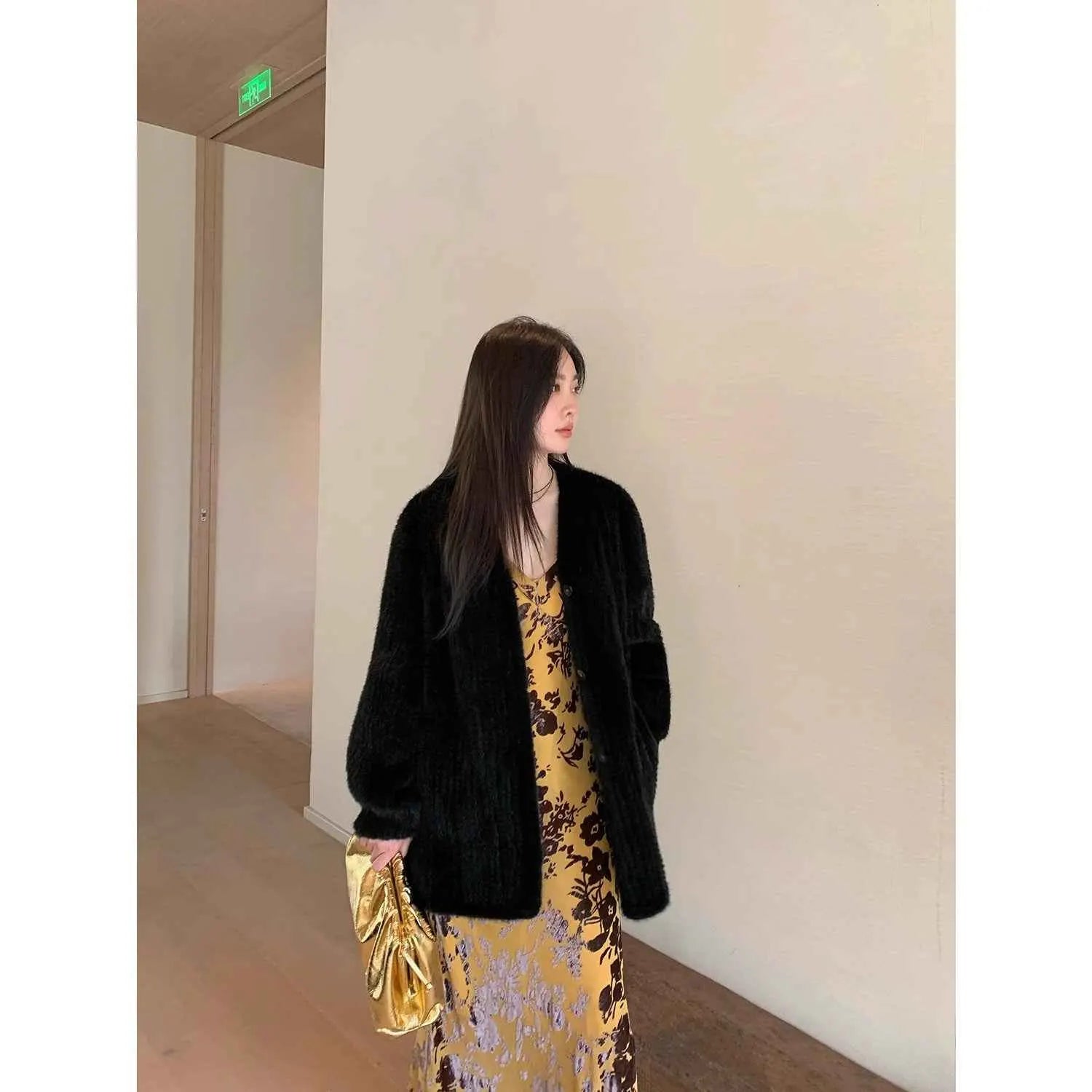
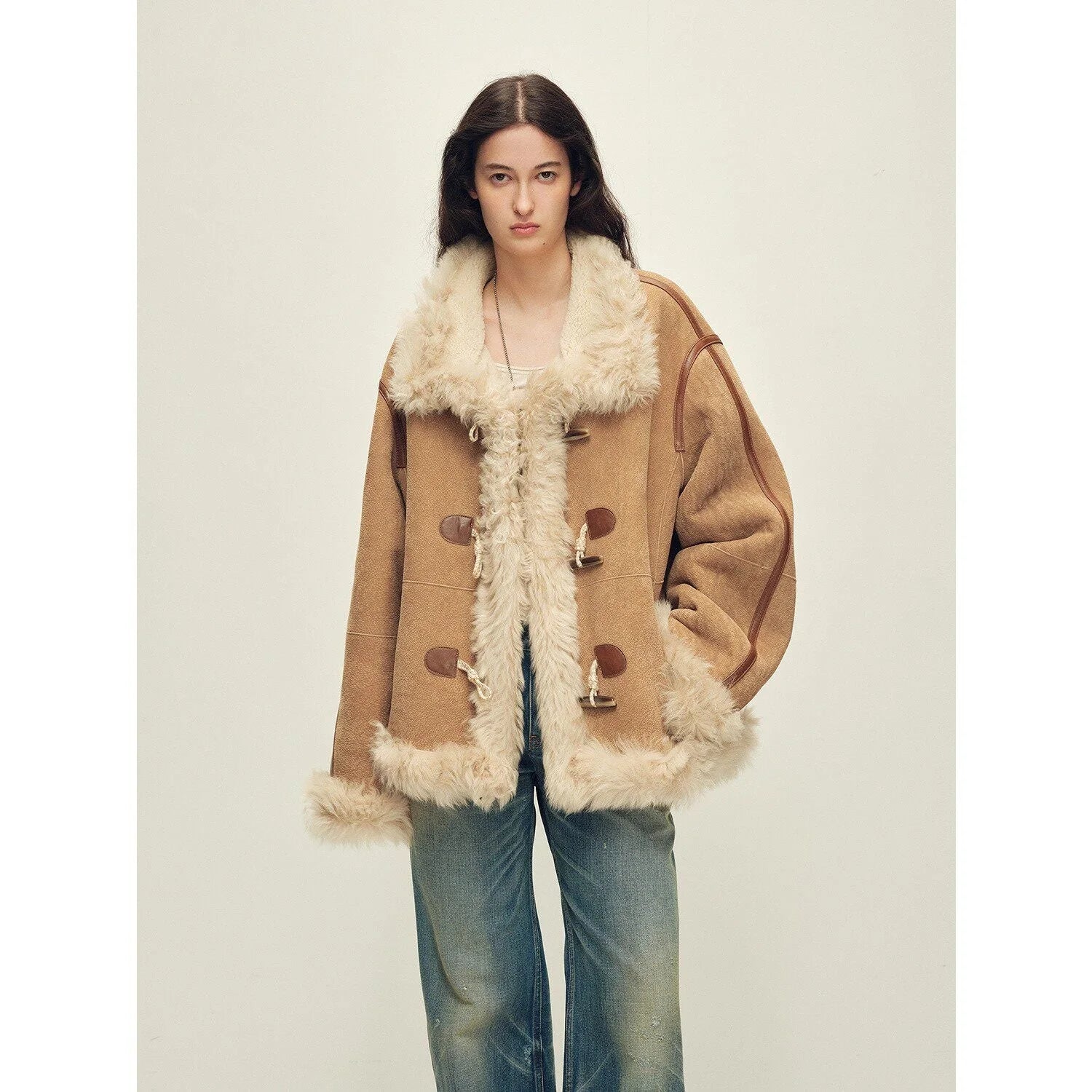
Shoot the material in places that wear first
The coat front is not enough. Buyers look at cuffs, collar, pocket edges, underarms, hem and the area where a bag would rub. Those places tell them whether the material is fresh, flattened, thinning or merely dusty from storage.
| Shot | What it proves | Caption that helps |
|---|---|---|
| Texture closeup | Density, sheen, guard hair or sheared finish | Close surface photo in natural light |
| Cuffs | Rub, matting, thinning, hand wear | Cuff edges shown; light wear noted if present |
| Lining and hem | Cleanliness, pulling, relining, storage | Full lining shown with lower edge |
| Closures and trim attachment | Function, missing parts, detachable proof | Hooks/snaps shown open and closed |
| Known flaw | Honesty and dispute prevention | Wear shown in final photo |
Keep construction inside the frame
A material claim needs enough body to make sense. Show how the coat hangs. Show sleeve length, shoulder width, back shape and inside hem. If construction is part of the value claim, use full skin, knitted, sheared and trim differences as a photo checklist.
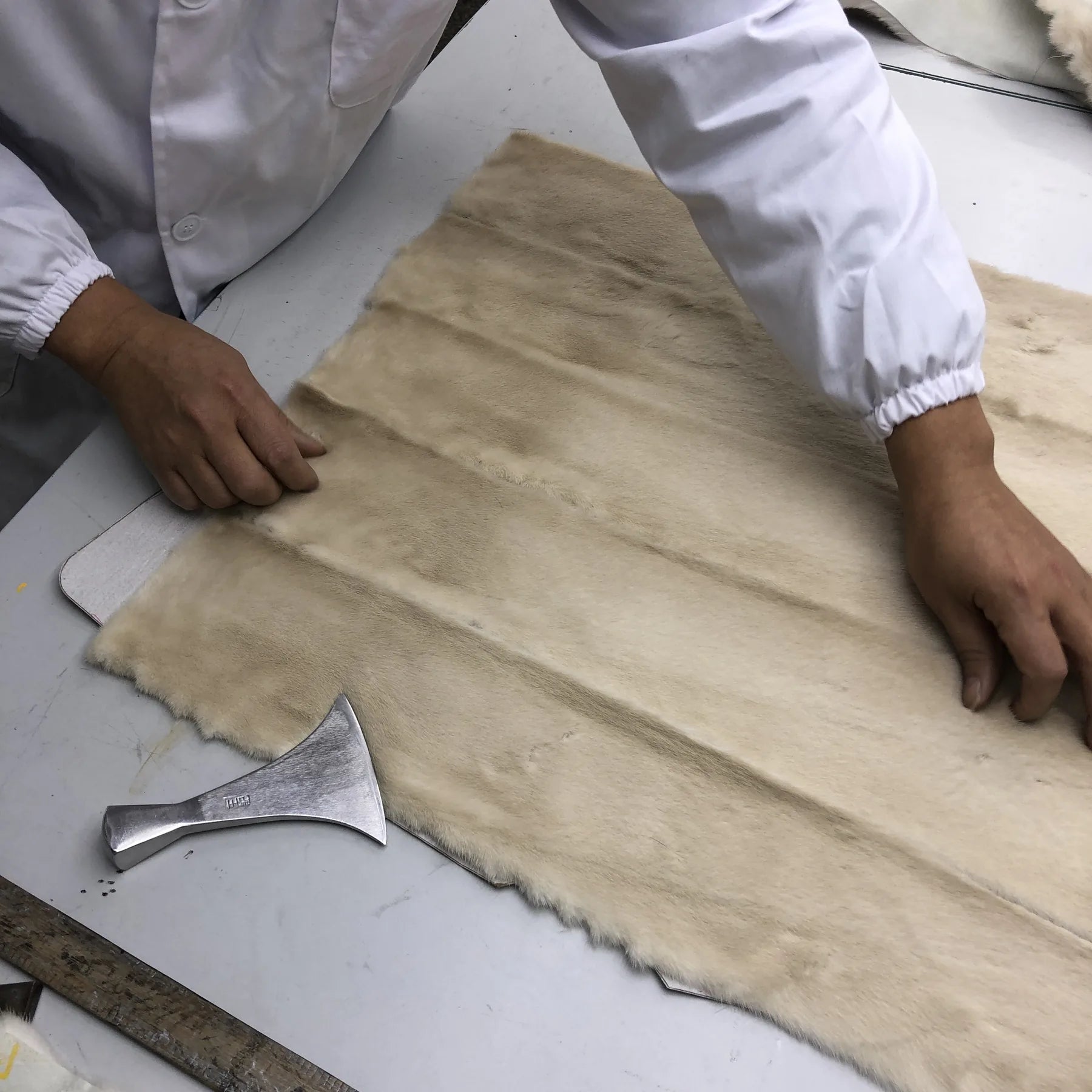
Make the photo order match the buyer's inspection
Front, back, side, close texture, cuffs, collar, lining, closures, label, flaws. That order reads like a seller who has actually handled the coat.
Photos cannot show odor, but they can make odor wording believable
Odor is invisible. That makes the condition note more important, not less. If there is a scent issue, do not let attractive photos carry the opposite promise. Use the odor and dryness resale article for wording boundaries.
Use flaw photos as a trust tool
A flaw photo does not ruin a listing when the flaw is manageable. It prevents the buyer from discovering the issue later. Then write the note with condition notes buyers read before making an offer. The photo and the wording should point to each other.
A useful photo order answers the buyer before the message
A complete photo set prevents the same buyer questions from repeating: close texture, cuffs, collar, lining, closures, label, hem, back, and any wear. If those images are present, the conversation becomes more specific. Instead of asking whether the lining is clean, the buyer can ask about fit, shipping, or whether the coat has been stored around smoke.
The order matters. Start with a clean full view, then prove the material, then prove the places that fail first. Ending with one honest flaw photo usually feels better than hiding the flaw until the buyer scrolls through messages.
Natural light is useful, but consistency is more important
Natural light helps show texture and color, but the photo set should not change so much that the coat looks like different items. Use one main lighting situation for the full views and a consistent simple light for closeups. If color shifts across photos, say which photo is closest to the real color.
Dark mink, black fox and dark rabbit can hide wear in flat light. Pale shearling, cream fur and white trim can exaggerate shadows or stains. A side-light detail can help, but it should be paired with a normal front photo so the buyer can read both beauty and condition.
Flaw photos build trust when they are placed calmly
A flaw photo does not need dramatic apology. It needs orientation. Show the worn cuff, the lining opening, the light stain, the missing belt loop, the flattened collar area or the trim attachment issue. Then write a sentence that says exactly where it is and whether it affects wear.
This protects both sides. The buyer is less surprised, and the seller has a clearer record of what was visible before shipment. In resale, a clean flaw photo can be more persuasive than a fifth flattering full-body shot.
| Photo | Where it belongs | Caption or wording job |
|---|---|---|
| Full front/back | First group | Confirm garment type, length and general condition |
| Material closeup | After full views | Show density, pile, guard hair, wool side or texture |
| Wear points | Middle group | Cuffs, collar, pockets, underarm and hem |
| Inside proof | Middle or late group | Lining, label, closures, relining, lower edge |
| Flaw photo | Near matching condition note | Place the issue before the buyer discovers it |
Odor, shedding and stiffness still need words
Photos cannot prove smell. They cannot fully prove backing flexibility either. They can support the statement by showing storage, lining, hem and handling detail, but the description still has to say what was detected. No smoke odor detected by current seller is stronger than silence. Light closet scent present is safer than letting the buyer discover it later.
For shedding, a short handling note helps. If loose hair appears during normal handling, write that. If no active shedding was noticed while photographing and measuring, say it carefully. Avoid absolute promises, especially on vintage fur.
Take one record photo before packing high-risk pieces
For fragile, expensive, or condition-sensitive coats, a final record photo before packing can reduce dispute confusion. It shows the state of the collar, cuffs, closures, trim and belt before the coat leaves the seller. That is not a public SEO photo; it is transaction discipline.
The public listing still needs the buyer-facing set. The private record helps when shipping, compression or return conversations become part of the sale.
The best photo set has one job per image
A resale photo set becomes confusing when every image tries to be flattering. Assign each image a job. The first photo earns attention. The second confirms garment type. The third shows material. The fourth shows wear points. The fifth shows lining. Later photos show closures, labels, flaws and measurements.
When each image has a job, the description becomes easier to write. The seller can point to exact proof instead of repeating that the coat is beautiful.
Measurements belong close to the visual proof
A buyer looking at a fur coat often distrusts the label size, especially if the coat is vintage. Photos of tape measurements can help, but typed measurements are still needed. Shoulder, bust or chest across, sleeve, back length and sweep answer fit questions that material photos cannot answer.
A beautiful material photo may earn a save. Measurements decide whether the buyer keeps reading.
Captions should make the buyer see what matters
A caption does not need to repeat the obvious. Instead of front of coat, write full front view showing length and closure line. Instead of inside, write full lining shown with lower edge. Instead of closeup, write close surface photo in natural light.
Small caption improvements make the listing feel handled rather than dumped online. They also help the buyer understand why an unglamorous cuff or lining photo is present.
One photo should prove the hardest claim
If the hardest claim is mink quality, show texture and lining. If the hardest claim is fox volume, show side volume and guard hair. If the hardest claim is shearling wearability, show both surface and wool side. If the hardest claim is trim value, show attachment and shell condition.
This keeps the photo set from becoming a mood board. A buyer should know exactly why each image was included.
A missing photo creates a story the seller does not control
When a lining photo is missing, the buyer imagines why. When cuffs are missing, the buyer imagines wear. When close texture is missing, the buyer doubts material. The seller may not intend any of those stories, but gaps create them.
A complete photo set controls the story by showing ordinary proof before suspicion grows. It is usually easier to add one honest image than to answer five anxious messages.
Photos and wording should age together
If a new photo reveals a flaw, the wording has to change. If the description says clean cuffs and the new cuff photo shows wear, the copy now creates distrust. If the lining photo shows relining, the condition note should mention it.
Treat the photo set and description as one object. Update both before publishing, and again before relisting after storage or handling changes.
Final photo-read check
Before publishing, scroll through the photo set without reading the description. A buyer should be able to identify garment type, material surface, lining, wear points, closures, label or lack of label, and any meaningful flaw. Then read the description and check whether it names the same evidence in the same order.
If the photo set feels flattering but incomplete, add proof. If it feels honest but visually messy, reorder it. The best resale photo set is not the prettiest set. It is the one that lets a careful buyer keep trusting the listing as they scroll.
The last photo check is the buyer's missing question
Before publishing, ask what the buyer would still message you for. If the answer is lining, add lining. If the answer is odor, write the odor note. If the answer is cuffs, photograph cuffs. If the answer is exact color, add a plain-light photo.
A good listing does not eliminate every possible question, but it removes the predictable ones. That is where material photos become trust work rather than decoration.
The photo set is not finished until doubt is lower
The first photo earns attention; the next photos earn trust. A full view can make the coat attractive, but cuffs, collar, lining, hem, label, closures and close texture decide whether the buyer keeps reading.
Flaw photos work when they are calm and placed early. A worn cuff, small lining opening, flattened area or color shift should sit near the condition sentence that explains it.
Odor and stiffness still need words. Photos can support the claim, but they cannot prove smell or backing feel. The condition note has to name what the seller detected.
The best photo order lowers messages. If several buyers would ask the same question, the listing is missing a public proof point, not a private reply.
FireladyFur's photo standard for material value
FireladyFur uses photos to keep material advice grounded. A guide can describe mink density, fox volume or shearling wearability, but the buyer still needs images that show the coat in front of them.
For broader image and material comparisons, the Fur Coat Guide and Fur Coat Comparison Guide should carry readers into the right next decision rather than a generic shopping pitch.
Photograph the claim before you write it
If the listing says mink, fox, shearling, rabbit or trim, the photo set should make that statement feel earned. If the photos cannot support it yet, shoot again before adjusting price.
How many material photos does a fur coat resale listing need?
A strong listing usually needs full front and back photos plus closeups of surface, collar, cuffs, lining, hem, label, closures and any wear. The number matters less than whether the buyer can verify the material claim.
Should I photograph flaws even if they lower price?
Yes. Flaw photos may lower the asking range, but they raise buyer trust and reduce dispute risk.
Can photos replace a condition description?
No. Photos and wording work together. The description should name what the photo shows, especially odor, shedding, hard backing or repairs that cannot be fully seen.


