


Fur trim has value, but it is not the same promise as a full fur coat. A collar, hood, cuff or detachable ruff is judged together with the garment it lives on.
The distinction matters after the material value overview: the buyer is not just evaluating fur, but a parka, coat shell, hood, zipper, pockets and trim attachment.
Judge the fur and the garment together
A collar, hood or cuff is valuable only as part of the coat, parka or jacket it lives on.
The base garment carries part of the offer
Zippers, pockets, insulation, lining and hood shape decide whether the trim still has a useful winter role.
Full-fur wording creates the wrong buyer
Trim can be desirable, but it needs a smaller promise than a coat whose whole body is fur.
The garment carries part of the trim's value
A fur collar can look expensive in a photo, but a buyer still asks whether the zipper works, the shell is clean, the insulation is warm, the hood sits correctly, and the trim can be removed or cleaned without drama. If the buyer is comparing daily winter use, when a fur-trim parka is more practical may answer more than a full-fur value page.
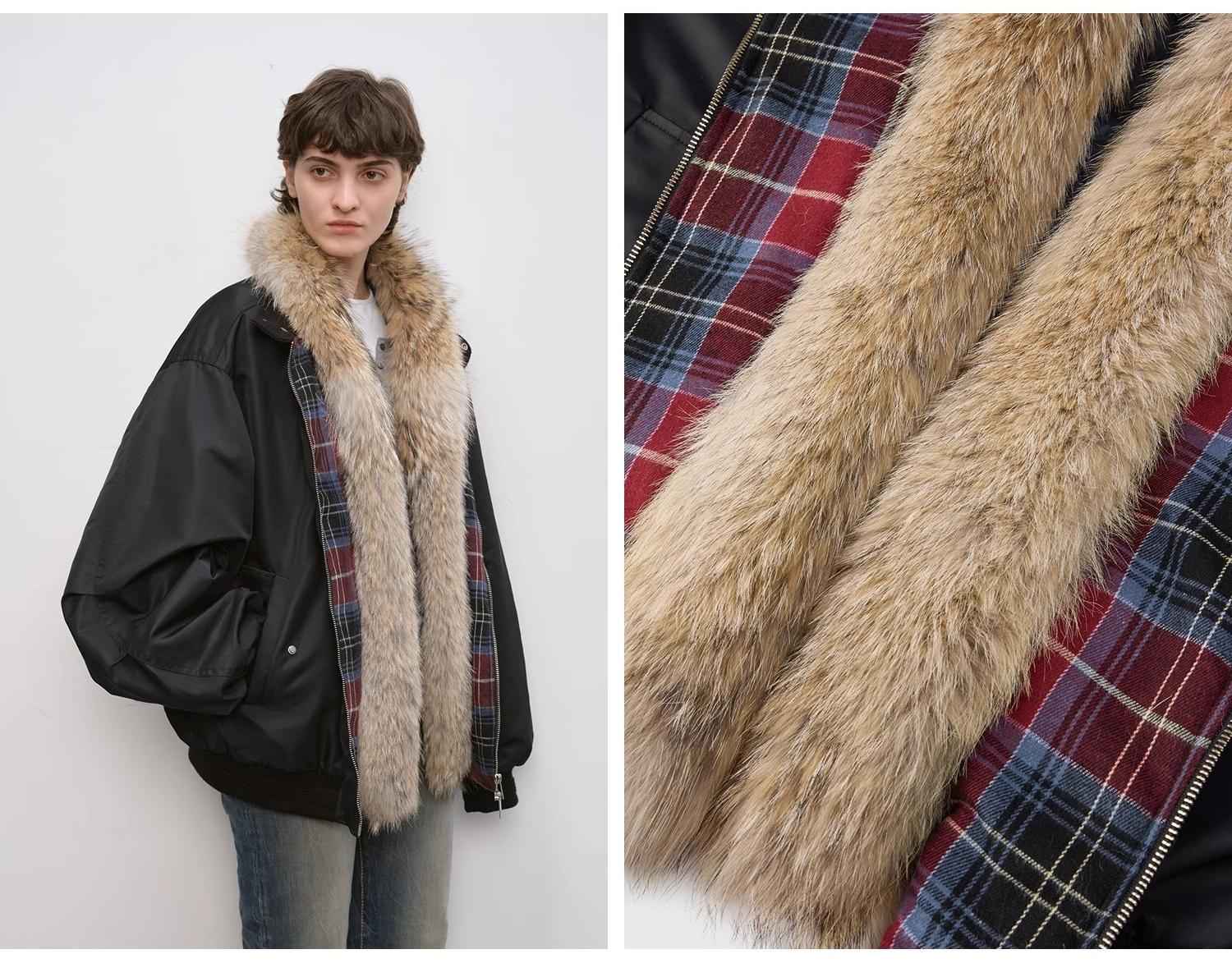
Detachable trim needs hardware proof
When trim detaches, show the snaps, zipper track, buttons or loops. A collar that photographs well but attaches poorly is not a clean resale item. Inspect it the same way you would inspect closures in the lining, cuffs and closures article.
| Trim area | Buyer concern | Photo that answers it |
|---|---|---|
| Hood/collar | Does it sit cleanly around the face? | Front, side and back hood photos |
| Attachment | Will it stay in place? | Open and closed hardware detail |
| Cuffs | Is there rub or thinning from hands? | Cuff edge and underside |
| Shell | Is the coat itself worth wearing? | Full front, back, zipper and pocket photos |
Full fur language can overpromise trim
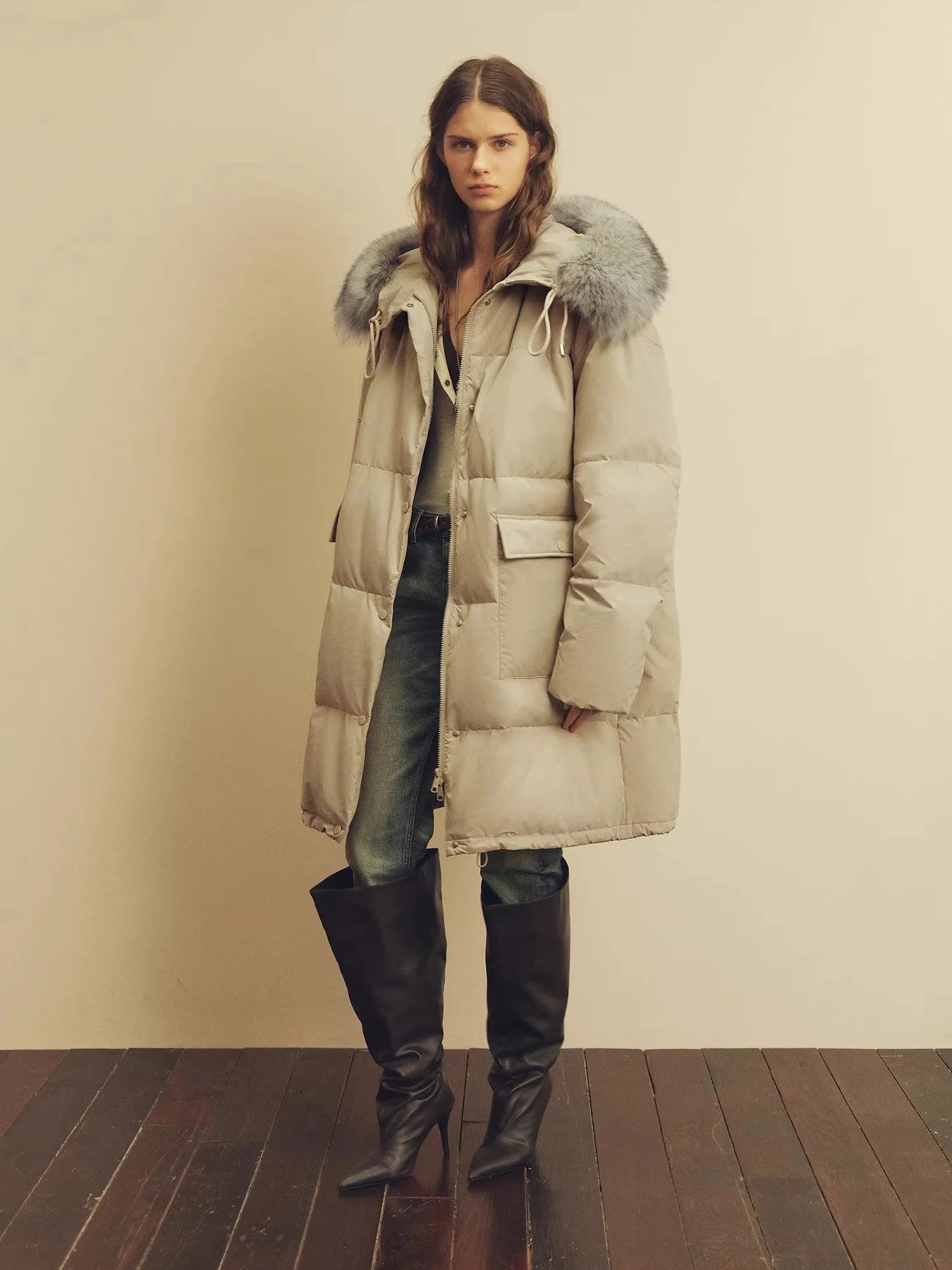
Call a trimmed parka what it is, so buyers do not expect a full fur body. Use precise language: down parka with real fur trim, wool coat with fur collar, detachable fur hood trim, or fur-trimmed cuffs. If the trim material is uncertain, use material photos that support resale trust.
A practical trim piece can beat a damaged full coat
When the full coat has odor, brittle backing or heavy shedding, a clean fur-trim parka may be the more wearable and easier-to-understand resale item.
A trim buyer may be buying warmth, not fur prestige
A trim buyer may care about a warm hood on school runs, grocery trips, parking lots and a commute in wind. Soft fur near the face helps, but pockets, shell and zipper may decide the purchase.
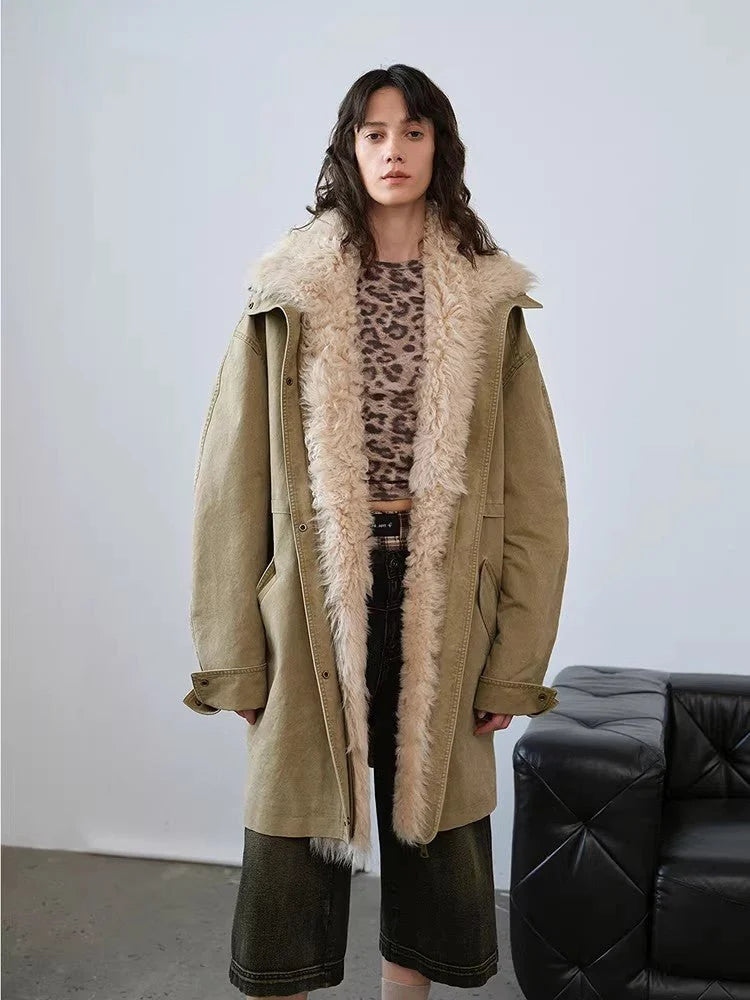 Shop fur-trim parkasCompare practical trim pieces after reading resale limits.Explore outerwearUse when replacement makes more sense than repair.
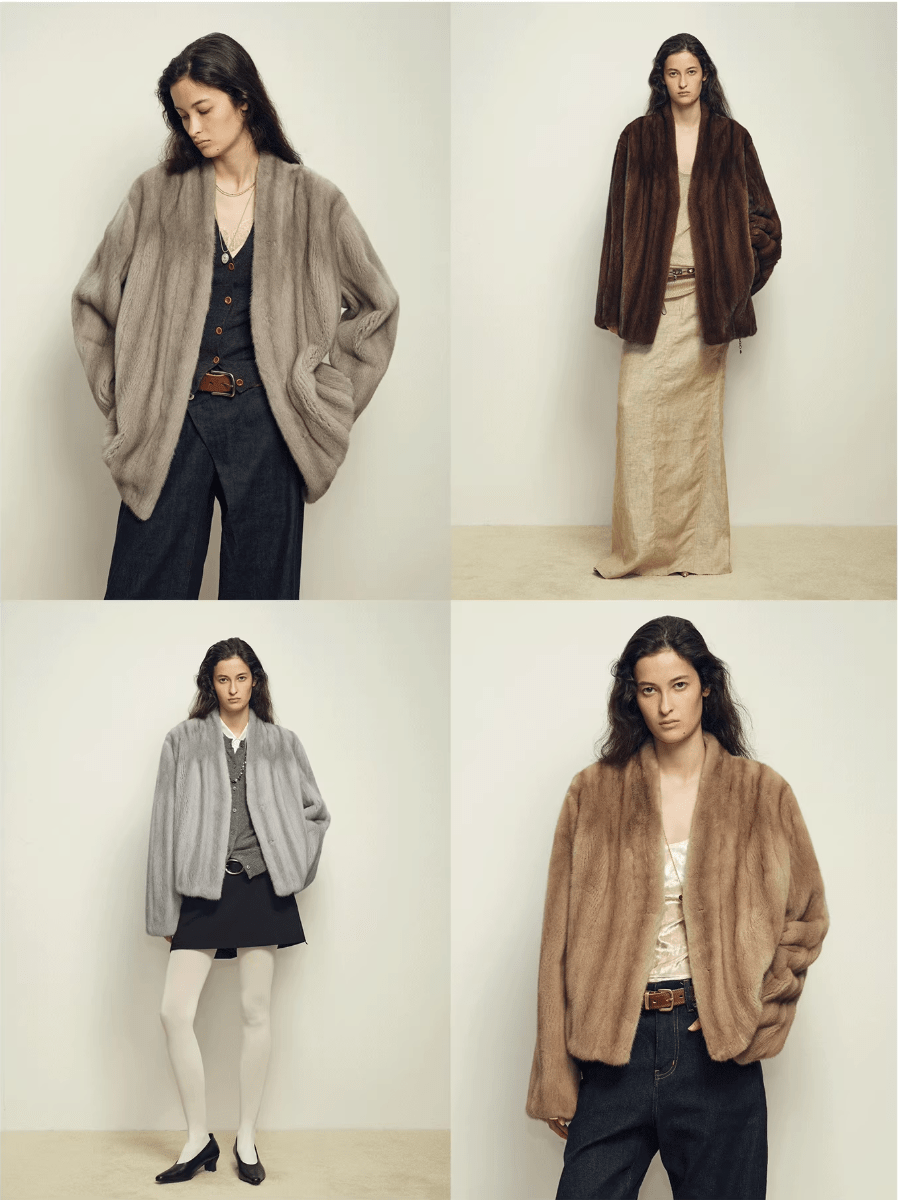 Compare full furReturn to full fur only when the body, not trim, carries the value.
Trim has two condition stories
A trimmed garment has the condition of the fur and the condition of the base garment. Sellers often photograph only the soft part, because the collar or hood looks more appealing than the zipper, shell or pocket edges. Buyers read the whole item. If the shell is stained, the zipper sticks or the hood does not sit correctly, the trim cannot carry the sale by itself.
That is why trim value should be described in two movements: first the garment, then the trim. A clean parka with sound hardware and good fur trim can be a strong practical item. A tired coat with a beautiful collar is still a tired coat.
A hood or collar is judged around the face
Fur trim near the face gets inspected closely because it touches makeup, hair, perfume, rain, snow and skin oils. The question is whether the trim still frames the face cleanly, whether the color is even, whether the guard hairs are matted, and whether odor is likely.
A side photo helps more than another front photo. It shows how the hood or collar stands away from the neck, whether the trim has collapsed, and whether the volume looks wearable rather than crowded.
Detachable trim needs proof of the attachment system
Detachable trim can raise confidence when the hardware is shown clearly. It can also raise risk if snaps are missing, loops are stretched, the zipper track catches, or the trim has been stored separately and no longer aligns cleanly. Photograph the trim attached and detached when possible.
The description should say whether the trim is detachable only when the photos support it. If the hardware is present but one snap is loose, that is not a reason to hide the feature. It is a reason to disclose the feature accurately.
| Trim promise | Proof that makes it believable | What weakens the promise |
|---|---|---|
| Warm hood trim | Front, side and back hood photos with shell condition | Clean fur photo but no zipper or hood view |
| Detachable trim | Open/closed hardware and detached trim photo | Missing snaps, stretched loops, uncertain attachment |
| Fur cuffs | Cuff top, underside and sleeve edge | Rub hidden by hands or cropped sleeves |
| Fur collar | Face-framing shape and collar attachment | Matting, perfume odor or weak seam not discussed |
Trim can be the smarter item when daily use matters
A clean fur-trim parka may serve a buyer better than a damaged full fur coat. It has pockets, weather structure, a hood, a zipper and a clearer winter job. That does not make trim the same value category as a full fur coat. It means the buyer's decision is practical.
Honor that practical decision with proof: warm shell, clean trim, working zipper, detachable hood, pockets, measurements and visible wear points. That is a stronger story than trying to make trim sound like a full coat.
The product path should follow the same distinction
If the reader is comparing what to buy next, trim belongs with fur-trim parkas or outerwear, not automatically with full fur. If the reader is trying to value a full fur coat, trim examples can blur the promise. Keeping those paths separate makes both resale and shopping guidance clearer.
Trim titles need to be honest from the first word
The title should tell the buyer whether the item is a full fur coat, a parka with fur trim, a wool coat with a fur collar, a detachable hood trim, or a coat with fur cuffs. If the title makes a trim item sound like a full fur coat, the buyer's expectation is wrong before the first photo opens.
Precise titles are not weaker. They bring the right buyer: someone who wants warmth near the face, a practical hood, a removable collar, or a cleaner daily winter item.
The base garment can lift or drag down the trim
A clean technical shell, good zipper, useful pockets and detachable hood can make trim feel more valuable because the whole item has a clear job. A stained shell, weak zipper or misshapen hood makes the trim feel like decoration on a problem.
That is why trim listings need a full-garment photo set. The fur closeup is only one part. The buyer also needs front, back, hood side, zipper, pockets, cuff and shell-condition photos.
Trim can route to replacement faster than restoration
If the trim is good but the shell is poor, restoring the garment may not make sense. If the shell is good but trim is damaged, replacement trim or a different outerwear path may be more practical. Help the reader see which side carries the value.
For shoppers, this is why trim belongs near outerwear and parka paths. They are often buying a winter function with softness, not a full fur ownership decision.
The buyer touches trim differently
A hood trim meets hair, makeup, weather and collar friction. A cuff trim meets hands, bag handles and sleeves. A collar trim meets perfume, skin oils and face-framing expectation. Each placement creates a different condition story.
Photograph trim where the buyer will touch it, not only where it looks full. A clean underside photo can make a trimmed garment feel more trustworthy than another glamorous front image.
Trim value becomes clearer when the buyer can imagine the day
A fur-trim hood is often judged in a real winter day: wind near the face, a school run, a parking lot, a walk from the train, or a cold evening when a full fur coat would feel too formal. The value is not only the fur. It is the way the garment solves that day.
If the garment cannot solve that day because the zipper is weak, the shell is stained or the hood sits badly, the trim loses leverage. The listing works best when it makes that practical test visible.
A full-fur comparison belongs only after the trim role is clear
Some readers will compare trim with a full fur coat. That comparison is useful only after they understand the role difference. Trim adds softness, face framing and warmth to another garment. A full fur coat carries the body of the value.
Keeping that difference clear prevents overpricing and helps shoppers choose between practical outerwear and a fuller fur purchase.
Final trim read
Before publishing a trim listing, cover the fur closeup with your hand and read the rest of the garment. If the shell, zipper, hood, pockets and cuffs still sound wearable, the trim has something to support. If the garment sounds weak without the fur, the trim claim is doing too much work.
Then do the reverse. Cover the full garment story and read the trim proof. If attachment, face-framing condition and wear points are clear, the trim can carry its own smaller promise. If not, the listing needs more photos before it needs a stronger title.
The last trim sentence should return to the garment
After the trim has been photographed, return once more to the garment. Does the parka, coat or hood still make sense without leaning on the fur? If yes, the trim becomes a benefit. If no, the fur is covering a weak item.
That final check prevents a common resale mistake: pricing a trimmed garment as if the trim alone were the product. The buyer is buying the whole piece, and the final sentence should respect that.
When trim has to return to the garment
Trim is not sold by the fur closeup alone. The hood, shell, zipper, pocket, sleeve, lining and attachment system decide whether the fur detail belongs to a useful garment.
Face-framing trim needs close honesty. Makeup, perfume, hair oil, rain and collar wear all meet the fur near the face. A side view and attachment photo often say more than another front image.
Detachable trim earns value through hardware proof. Snaps, zipper tracks, loops and alignment need to be shown cleanly when they are part of the promise.
The final sentence should return to the whole piece. If the base garment is strong, trim becomes a benefit. If the base is weak, the fur detail cannot carry full-coat language.
FireladyFur's trim-value standard
FireladyFur separates trim value from full-coat value because buyers use them differently. In the Fur Coat Comparison Guide, trim is often a utility and styling decision; in resale, it becomes a proof question around attachment, wear and garment condition.
A trimmed garment only earns full-coat language when the construction genuinely supports it.
Describe trim as part of the garment, not as a shortcut to luxury
If the trim is strong, show attachment, close texture and how the hood or collar sits. If the shell is weak, say so before leaning on the fur.
Is fur trim worth less than a full fur coat?
Usually it is valued differently, not simply less. A trim buyer judges the entire garment, including shell, warmth, hood, zipper, pockets and whether the trim is detachable.
What photos prove fur trim value?
Show the trim close up, the attachment points, detachable hardware if present, the hood or collar from the side, cuffs, shell fabric and any wear where the trim touches the face or hands.
Can a fur-trim parka be a better resale item than a damaged fur coat?
Yes, if it is clean, practical and wearable. A damaged full fur coat may have more material prestige but less buyer confidence.


