


A fur coat can be priced fairly and still sit quiet when the season, photos or buyer channel is wrong. Timing does not create value, but it changes urgency.
Use this page when a coat seems listable but the seller is unsure whether to wait, repair, rephotograph or lower the price. If condition is not checked yet, start with pre-listing inspection.
Before cold weather
Finish condition checks, measurements, lining photos and repair decisions before urgency arrives.
When the buyer has a reason
Cold weather, events and gift periods make strong coats easier to understand.
When evidence is thin
A quiet listing may need better proof before it needs a lower price.
Timing changes attention before it changes value
A fur coat listed into cold weather has a different reader than the same coat listed when closets are being cleared for summer. The garment has not changed, but the reason to act has. In November, a clean coat can solve a near-term winter problem. In April, the same reader is thinking about storage, cleaning and whether to wait.
That does not mean every seller should panic-price outside peak season. It means the description can be built early enough that photos, measurements, condition wording and channel choice are finished before demand rises.
Prepare before demand
Inspect, photograph and measure before cold weather so the listing is not rushed.
Do not learn the wrong lesson
Quiet response may reflect timing, weak photos, narrow size or unclear title, not only price.
Specialist work needs lead time
Cleaning, repair or relining close to winter can miss the strongest buyer window.
A weak listing does not become strong because the season is right
Season can wake up buyers, but it cannot hide odor, hard backing, missing measurements or poor photos. If interest rises and then stops at the first message, the listing has a proof problem. Before changing the price, compare the listing with the pre-listing inspection checklist and the article on condition notes buyers actually read.
Good timing gives a strong coat more chances. Bad condition still needs a different claim.
| Listing moment | What the reader is thinking | Best seller action |
|---|---|---|
| Late summer | Could this be ready before winter? | Finish inspection, measurements, labels, color photos and title testing. |
| Fall | Can I wear this soon? | Lead with wearability, closure, size, clean condition and shipping readiness. |
| Holiday season | Is this event-worthy or gift-risky? | Show full shape, lining, flaws, returns/fit limits and honest color. |
| Late winter | Is the price worth storing until next year? | Explain condition and value clearly; do not overreact to slower urgency. |
| Spring or summer | Do I want to store this? | Use the quiet period for repair review, better photos and patient channel testing. |
Seasonality is different for coats, jackets and trim
A full-length fur coat may need a colder, more formal buyer moment. A short jacket can move earlier because it feels easier for dinner, travel and city use. A fur-trim parka or shearling may get attention from daily winter shoppers before a formal mink does.
If length is the uncertain factor, use long coat versus jacket resale demand. If the coat sits between full fur and practical outerwear, current fur-trim parka and shearling coat paths show how practical winter demand differs from vintage-fur demand.

When a listing is quiet, diagnose before discounting
Quiet response can mean the season is wrong. It can also mean the price is too high, the size is unclear, the color photographs poorly, the title attracts the wrong person or the coat is too niche for the chosen channel. Treat timing as one variable.
That diagnosis belongs near the end of the resale check, after the coat has been checked through the vintage value model. A discount is useful when the claim is already accurate. It is wasteful when the listing still has fixable uncertainty.
- If the listing is early, gather missing photos before reducing price.
- If cold weather has started and messages are vague, rewrite the title and first paragraph around wearability.
- If buyers ask for size or lining, the issue is evidence, not season.
- If the coat is rare or dramatic, slower timing may be normal; choose a more specific buyer channel.
- If odor, hard backing or active shedding appears, season does not solve the risk.
Use the slow months for proof, not worry
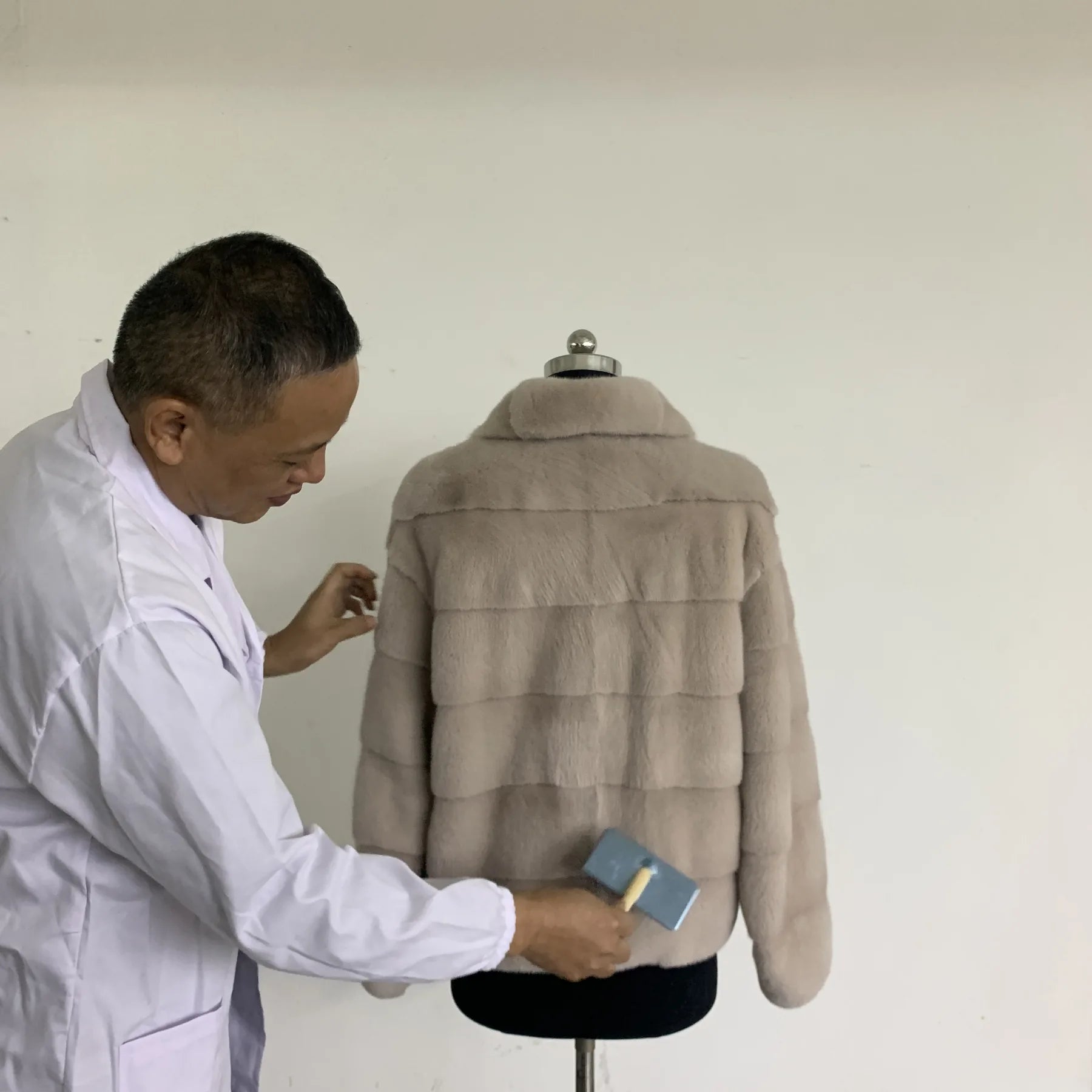
When demand is quiet, the seller has a chance to improve the listing without the pressure of active winter shoppers. Take the coat into natural light. Photograph the full shape, lining, label, cuff edges, hem and closures. Measure the sleeve and length. Check odor after the coat has been away from storage. These quiet tasks often raise resale confidence more than a rushed price cut.
Slow months are also useful for specialist review. If a coat needs cleaning, repair, relining or a furrier's opinion, waiting until the first cold week creates a timing problem. The decision becomes rushed, and the seller may choose a lower claim simply because there is no time to do better.
Timing is therefore less about guessing the perfect listing day and more about not arriving unprepared. A good coat can miss its moment when the photos are poor or the repair question is unanswered.
Match the first paragraph to the season
In fall, the first paragraph can lead with wearable condition, warmth, closure and measurements because the reader may be thinking about immediate use. In late winter, the first paragraph should reassure the reader why the coat is still worth considering even if storage is coming soon. In summer, it may be better to present the coat as a patient vintage listing with complete proof rather than urgent winter wear.
This does not require changing the facts. It requires changing the emphasis. The same short mink jacket can be a ready winter piece in November and a well-documented vintage jacket in May. The evidence stays stable; the buyer's reason to act changes.
If the article receives questions only after cold weather starts, those questions should be used to strengthen the listing for the next cycle. Seasonality rewards sellers who keep improving the proof instead of starting over with another guessed price.
Region changes the calendar
Cold weather does not arrive at the same time for every buyer. A full-length fur coat may make more sense to a Northeast or Midwest buyer than to someone in a mild winter city. A jacket, shearling or fur-trim piece may hold broader timing because it can work for dinners, travel, cold offices or transitional weather. The description can not speak as if every US buyer has the same winter.
When a coat is heavy, formal or full length, write for the region and use case that make the weight believable. When a coat is short, lighter or practical, it can be introduced earlier as a repeat-wear winter piece. Timing is not only month; it is climate, travel, event season and whether the buyer can imagine using the coat soon.
Shipping windows can affect trust
Late-season buyers may worry about receiving, inspecting and storing the coat before the weather changes. High-value or fragile vintage pieces also need careful packing, tracking and return expectations. If the coat is long, pale, delicate or condition-sensitive, the seller should avoid rushed language that makes the transaction feel casual.
Use timing to decide how much proof appears before the buyer asks. In a strong winter window, a complete listing can move faster. In a slow window, extra measurements, label photos, lining photos and condition notes can keep the page useful until demand wakes up again.
| Timing layer | What it changes | What to do before cutting price |
|---|---|---|
| Cold region | More immediate use and stronger coat logic. | Show warmth, closure, length and condition clearly. |
| Mild region | Demand narrows to travel, events or styling. | Name the use case instead of forcing daily winter language. |
| Late season | Buyers think about storage and timing. | Make condition and packing confidence stronger. |
| Off season | Attention is lower but preparation is easier. | Use the time for repairs, photos and measurements. |
Do not let urgency hide a weak category
A November buyer may move faster, but they still read the category. A formal full-length coat, a daily jacket, a fur-trim parka and a repair candidate should not use the same seasonal wording. If the category is wrong, the season only brings the wrong questions sooner.
Use the cold window to sharpen the first sentence: wearable jacket, formal long coat, event piece, as-is vintage coat, local try-on piece or repair review. That one category choice can do more than another generic winter adjective.
Before you discount a quiet listing
Quiet does not always mean overpriced. The coat may be early, late, poorly photographed, too vague in size or aimed at the wrong buyer.
The best season rewards preparation. Inspection, photos, label proof, repair review and measurements should be finished before cold weather creates urgency.
Timing cannot hide condition risk. Odor, hard backing, shedding or missing lining photos still need a lower claim no matter the month.
A patient listing needs a clear reason to wait. If the coat is niche, rare or formal, choose channel and timing before cutting the price.
FireladyFur's timing standard
FireladyFur reads timing as part of the value system, not a magic selling lever. Strong seasonality helps only when the coat already has credible condition, size and photo evidence.
For storage and ownership context, use the Fur Coat Guide; for resale order, return to the Fur Coat Value / Resale Guide.
For the wider FireladyFur reading path, use the Firelady Fur Guide for fur-wide context, the Fur Coat Guide for coat ownership context, and the Fur Coat Value / Resale Guide for resale decisions.
Fix the listing before you blame the season
If cold weather is close, sharpen wearability and proof. If the season is quiet, use the time for inspection, photos and repair decisions instead of rushing the price down.
What is the best season to list a fur coat?
Fur coats usually receive more natural attention before and during cold weather, but the best listing is prepared earlier with photos, measurements and condition notes ready.
Should I lower the price if a fur coat does not sell in summer?
Not automatically. Summer silence may reflect timing. First check the photos, measurements, title, condition language and buyer channel.
Can repair timing affect resale value?
Yes. Cleaning, relining or repair close to winter can miss the strongest buyer window. Review condition early enough to make careful decisions.
Do jackets and long coats have the same seasonality?
Not always. Short jackets and practical trim pieces may attract daily-wear buyers earlier, while full-length formal coats may need a colder or event-driven buyer.


