


A hooded fur coat solves warmth around the face, but it also changes the scarf, hair, neckline, and bag choices. Style the hood area first.
A hood changes the face area before it changes the outfit
A hooded fur coat is not only about warmth. The hood, trim, scarf, hair, earrings, and neckline all sit in the same small space. If that area gets crowded, the whole outfit feels heavy even when the coat fits.
A hooded coat belongs in the same practical comparison as parkas, shearling, and full fur pieces in which fur coat type will you wear most. Stay here when the hood is the part you need to style.
Style the neck area before styling the rest of the coat
A hooded fur coat can make the lower half almost simple. The real work happens from collarbone to hairline. A high scarf, loose hair, large earrings, and full trim can all be beautiful separately and crowded together. Try the coat with the first layer you actually wear in winter before deciding the outfit needs more.
Once the face area is clean, the rest of the coat becomes easier: dark denim, a shaped boot, leather gloves, a compact bag, or a knit dress can carry the polish without fighting the hood.

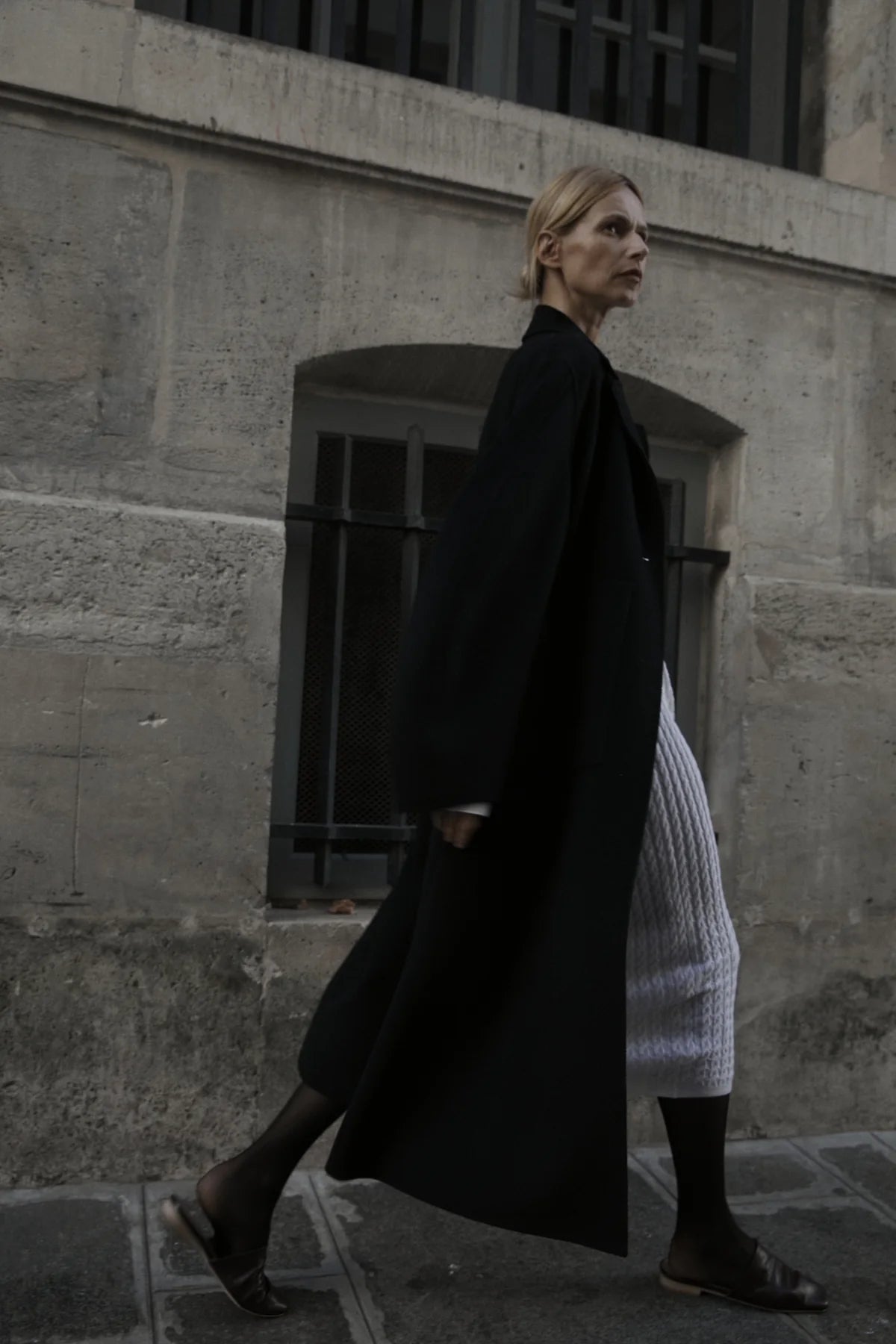
The scarf usually needs to be thinner than expected
A thick looped scarf plus a fur-trim hood can bury the face. Try a smooth turtleneck, a fine scarf tucked inside, or no scarf if the hood is warm enough. Hair down can add another layer of texture, so test the coat with the hairstyle you actually wear.
The hood should make the outfit look warmer, not visually crowded.
The hood-down position matters as much as the hood-up photo
Many hooded coats are worn with the hood down most of the day. In that position, the trim can create a bulky shelf behind the neck or a soft collar that looks elegant. Check both versions before buying.
If the coat is really a parka, the fur-trim parka styling article may answer more of the practical questions.
| Problem | First change | Reason |
|---|---|---|
| Face looks crowded | Thinner scarf or lower neckline. | The hood already frames the face. |
| Coat looks too sporty | Cleaner boot and structured bag. | The lower half adds polish. |
| Hair fights the trim | Smoother hair or simpler collar. | Less texture near the hood. |
A hooded coat can still look polished
Use the pieces away from the hood to sharpen the look: leather gloves, a compact bag, clean boots, dark denim, or a knit dress. If the route is dry and casual, compare sheepskin outfits or shearling outfits.
Browse fur-trim parkas when the hood is part of the day, not just a decoration.
The hood is too much when every accessory has to change
If you have to change your scarf, hair, earrings, bag, and neckline just to make the hood sit right, the coat may be too much for daily wear. A smaller trim, cleaner parka, or collarless shearling may fit your routine better.
A hood should solve cold and wind. It should not make every outfit feel like a puzzle.
Hair, earrings, and makeup are part of the hood test
A full hood can hide earrings, flatten loose hair, and place fur close to makeup. Try the coat with hair up and down. Check whether the trim touches foundation or lipstick. If you wear large earrings often, see whether they disappear or tangle near the collar.
These details sound small until you wear the coat three times and keep adjusting the same area.
Check all four hood positions
Try the coat open with the hood down, zipped with the hood down, zipped with the hood up, and open with the hood partly back. Many hooded coats look good in one position and awkward in another. Daily wear will use more than the product photo position.
If only one version works, treat the coat as a narrower choice. If all four positions look clean enough, the hood is probably solving more than it complicates.
The hood-down view is where many purchases change
Product images often show the hood up because it frames the face. Real wear often keeps the hood down. In that position, the trim can sit like a soft collar or a bulky shelf behind the neck. Both outcomes matter.
Try the coat open and closed with the hood down before buying. A hood that only looks good in one position is a narrower styling choice.
Hair is part of the coat test
Loose hair can add another layer of texture around the trim. Hair tucked in can make the neckline look smoother. Hair up can reveal whether the hood feels too large. Test the coat the way the wearer actually leaves the house.
This is not vanity; it is proportion. A hooded coat changes the face area, so hair and earrings affect the whole silhouette.
The lower half should sharpen what the hood softens
A hood adds softness and volume near the face. The lower half can keep the outfit polished: dark denim, a clean boot, tailored trouser, leather glove, or compact bag. Without that sharper base, the coat can look too bundled.
The outfit does not need to become formal. It needs one line that keeps the hood from owning everything.
A hooded parka and a hooded fur coat are not styled the same way
A parka expects practical pieces: snow boots, pockets, commuter layers, gloves. A hooded full-fur coat may need a smoother base and a more controlled bag because the surface itself is more delicate. The hood alone does not define the styling path.
Check the coat body as carefully as the hood. Shell, fur, shearling, and long pile each change how much texture the outfit can handle.
Makeup and collar contact are practical details
A full trim can sit close to foundation, lipstick, or a high neckline. That contact may affect comfort and cleaning. Try the coat with the neckline and makeup routine that belong to cold days, not only over a bare fitting-room top.
Small contact points become annoying when they repeat. A coat that feels easy around the face will be worn more often than a warmer coat that needs constant adjustment.
A normal week with a hooded coat starts at the face
The hood changes the face area before it changes the outfit. Hair, earrings, scarf, neckline, and trim all sit in the same small space. That area should be tested first.
Try the coat with hair up and down. Loose hair may make the trim feel crowded; hair up may reveal whether the hood is too large. Neither is wrong, but the coat should work with the real routine.
Use a thinner scarf than instinct suggests. A smooth turtleneck or tucked scarf often keeps the hood elegant. A thick looped scarf can make the face disappear.
The lower half should sharpen the softness above. Dark denim, a clean boot, leather glove, or compact bag can keep a hooded coat from looking over-bundled.
The week should include hood up and hood down. Most hooded coats spend more time down than product photos admit.
What to photograph before keeping a hooded fur coat
Photograph all four positions: open hood down, zipped hood down, zipped hood up, and open hood partly back. A daily coat needs more than one flattering pose.
Check makeup and collar contact. Trim near foundation, lipstick, or a high neckline can become a practical annoyance.
Try the real bag. Shoulder straps can crowd the same area as the hood and scarf, especially on coats with full trim.
The keep decision should say what the hood solves: wind, warmth, face framing, city walking, or practical route. If the hood creates more problems than it solves, a collar or parka may be better.
The edge case for a hooded coat is warmth that crowds the face
A hood can solve wind and cold, then create a new problem around the face. Trim, scarf, hair, earrings, collar, and makeup all meet in a small area. If that area feels crowded, the whole coat feels heavier than it is.
The fix usually starts with subtraction. Use a thinner scarf, smoother first layer, smaller earrings, or simpler hair. Then judge the coat again. A hooded coat often needs less styling near the neck, not more.
This edge case is the difference between warm and wearable. The hood should make the route easier; it should not make the wearer adjust the same area every few minutes.
The final hooded check is the face area after ten minutes
Before buying a hooded fur coat, keep it on for more than a quick mirror check. Move the hood up and down, turn the head, add the scarf, and notice whether the face area stays comfortable.
A hood should solve cold weather without making the whole outfit orbit around it.
Hooded styling starts around the face
FireladyFur checks hood scale, trim density, scarf space, hair behavior, and bag pressure before judging the rest of the outfit. Read more about the brand in About Firelady Fur and how we handle article standards in FireladyFur editorial standards.
Where a hooded coat should take you next
Choose a hooded coat when wind, face framing, and practical movement matter. Keep the neck area cleaner than a normal coat would require.
FAQ
What scarf works with a hooded fur coat?
A thin scarf, smooth turtleneck, or scarf tucked inside the coat usually works better than a bulky looped scarf.
Can a hooded fur coat look polished?
Yes. Keep the hood area clean, then sharpen the outfit with boots, gloves, and a compact bag.
Should I check the hood down?
Yes. Many hooded coats are worn with the hood down, and the trim can change the shoulder and neck line.
What bag works with a hooded coat?
A compact crossbody, top-handle, or structured small tote is usually cleaner than a large shoulder bag.


