


Article Summary
A monochrome fur outfit keeps one color family from coat to shoe. Black can be strict; cream and brown often work as tonal families. Separate the pieces with texture and shape, and call a contrasting bag or boot an accent rather than another shade.
What Counts as Monochrome?
A monochrome outfit keeps the coat, clothes and accessories within one color family. An all-black fur jacket, black knit, black trousers and black boots are the strict version. An espresso coat with chocolate knit and tobacco trousers is tonal brown: the shades change, but brown still carries the look. Cream fur with ivory and oatmeal is a light tonal outfit. A cream coat over a black dress is a contrast outfit, however elegant it may be; a cobalt bag with the all-black look is an accent, not another shade of black.
That distinction is useful when an outfit looks wrong but the individual pieces are good. If the aim is monochrome, adjust shade, texture or shape before adding a second dominant color. If a deliberate contrast looks better, wear it confidently and stop trying to call it monochrome. The related fur-coat color guide helps when the coat color itself is still undecided.
| Color plan | Coat and base | What changes the result |
|---|---|---|
| Strict black | Black fur, black ribbed knit, black straight trousers | Matte trouser and leather boot give the dark column separate edges; a bright bag turns it into an accent outfit. |
| Tonal cream | Ivory or cream fur, oatmeal knit, warm-white trouser | Keep the pale pieces in a compatible warm or cool family. A chocolate boot becomes a conscious grounding accent. |
| Tonal brown | Espresso fur, chocolate knit, tobacco trouser | A darker boot and a smoother bag define the lower half without requiring an exact shade match. |
Build the Black Outfit From the Hem Up
Black fur over black clothes can look wonderfully precise, but only when the shape underneath remains visible. Start with the trouser hem and shoe. Straight trousers ending at the top of a slim ankle boot leave one readable line. A long coat can cover much of that line, so make sure the hem still clears the boot as you walk. With a cropped jacket, wide trousers can work because the waist and the trouser shape remain in view.
Next choose a base with a surface different from the fur. Ribbed knit, fine wool or a shirt with a clean collar gives the upper body a little structure. A smooth black dress can also work, particularly for dinner, but try the coat both open and closed. If the neckline disappears under a heavy collar, change the neckline or add a narrow visible edge. Do not assume a light-colored bag is the only way to make the outfit readable.
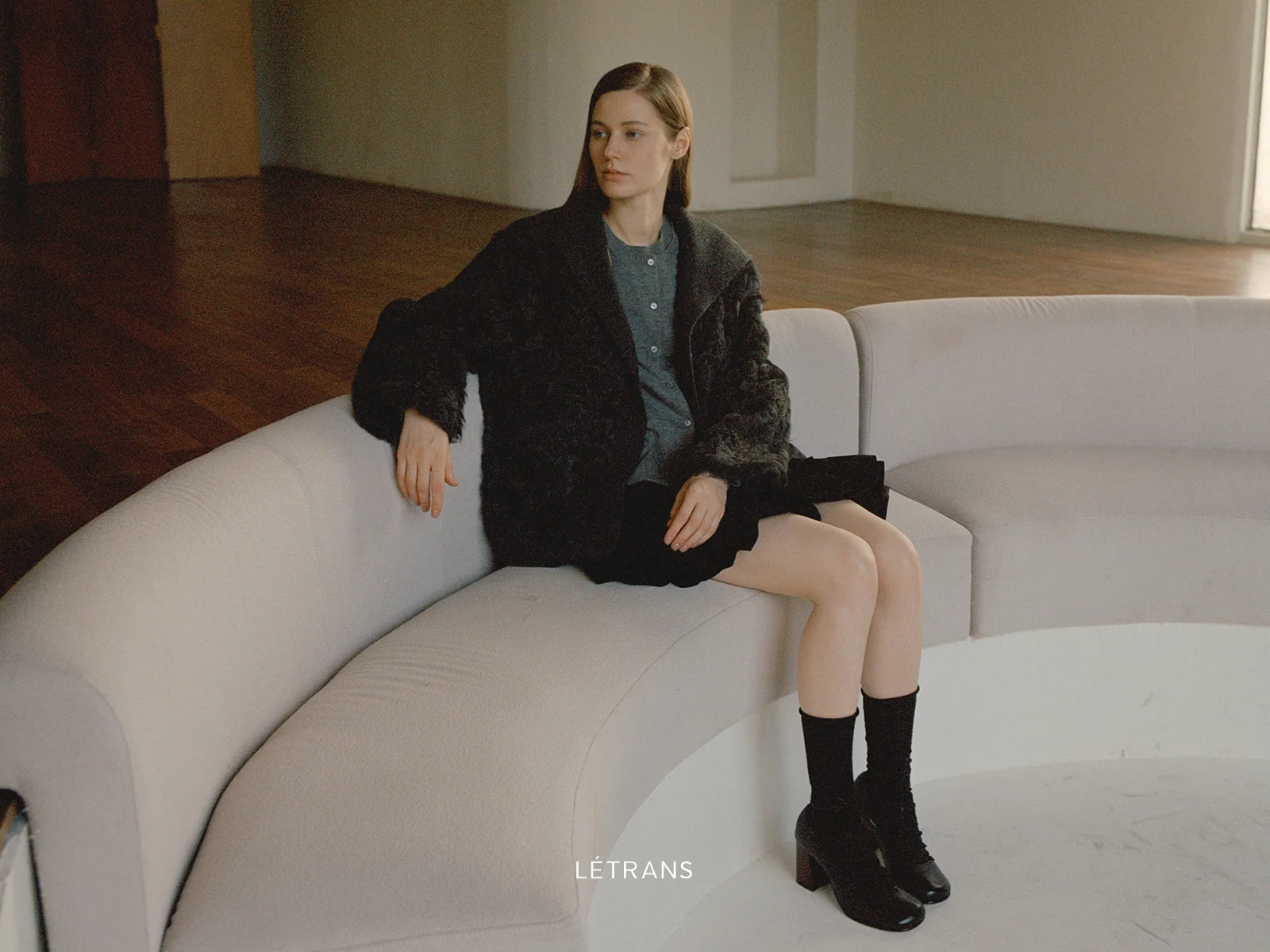
A silver buckle, earring or small metal closure is a minor highlight and can remain within the spirit of the look. A white shirt, tan bag or blue denim changes the color scheme more decisively. Those are valid outfits, but they answer a different styling question. For black coat combinations beyond monochrome, see the black fur outfit guide.
Keep Cream and Ivory in the Same Temperature
Light neutrals are less forgiving of a near match. Put an ivory coat beside the knit and trousers you intend to wear, preferably in daylight. A grey-white trouser can make a yellow-cream coat look more yellow; a warm oatmeal knit can soften that difference if it sits between them. Exact matching is unnecessary, but an accidental mix of icy white and buttery cream may look disjointed. The test is visual, not a fixed color rule: different screens, lighting and fur surfaces render the same shade differently.
For a complete light outfit, try a cream fur jacket, oatmeal fine-gauge knit, ivory straight trousers and a pale suede or leather boot. The jacket supplies texture; the trouser holds a clean line. A small warm-white bag keeps the outfit tonal. If it feels too pale, a chocolate boot or dark bag is an intentional contrast. It may be the more wearable choice on a dirty commute, even though the finished look is no longer strict monochrome.
Pale fur also makes contact visible. A dark denim dye transfer, foundation near the collar or a rough bag strap can matter more to daily wear than a perfect swatch match. Choose the route and bag before you buy a delicate pale coat. The cream fur outfit guide covers broader contrast pairings when a light tonal outfit is too restrictive.

Let Brown Travel Through Several Depths
Brown monochrome rarely looks best when every item is a single middle shade. With an espresso fur coat, a chocolate knit, tobacco trousers and a darker brown boot make a clear progression from collar to floor. A caramel fur jacket can sit over a deeper brown top and dark denim-brown trouser; the jacket remains the lightest brown element. If the trousers are blue denim, the outfit has shifted toward a brown-and-blue combination rather than monochrome. That can look excellent, but the distinction helps when choosing a bag or shoe.
Brown is also sensitive to surface. A glossy brown leather boot beside plush fur is easier to separate than two matte brown pieces with the same value. Hold a bag against the coat sleeve, not just beside a product photo; a heavy shoulder strap may press or abrade the pile. If a camel bag is too close to the fur yet visibly different in temperature, a deeper espresso bag may be the cleaner answer. For more combinations with denim and cream, use the brown fur outfit ideas.
Check the Outfit With the Coat Open and Off
A coat can make an incomplete base look finished in the hallway. At a restaurant or office, it comes off. Set the knit, trousers and shoes together first, then add the coat. In black, the base might be a ribbed top and tailored trouser; in cream, an oatmeal sweater and ivory trouser; in brown, a dark knit and lighter trouser. Each should stand on its own. This prevents the outfit from depending on a fur collar to hide an awkward neckline or an unfinished waist.
Use a full-length view to check proportion, not a close-up to decide whether fabric is soft. A photo can show whether the hem and boot crowd each other or whether the coat absorbs the waistline; it cannot prove how a pile feels against your neck. Move, sit and carry the real bag. A long pale coat may look calm in a standing image but be inconvenient against a wet seat or rough strap. That practical limit is part of a wearable monochrome outfit.
Grey and Dyed Colors Need Their Own Rules
Charcoal fur with a slate knit, grey wool trouser and graphite boot is tonal grey. A black boot introduces a dark neutral anchor but will still read close to the same palette if it occupies only a small area. A blue jean changes the look more noticeably. The grey family is useful when black feels severe but cream is impractical; keep the coat and trouser different enough in value for the hem to remain visible.
A dyed burgundy or blue fur can also be worn monochromatically, but finding a matching sweater, trouser and shoe may be harder than the product photo suggests. Use the coat as the deepest or brightest version of its hue and build the base in quieter variations of that same hue. If only black basics are available, call the outfit a statement coat over black rather than forcing a near-match. The dyed surface may also vary across panels or pile direction, so inspect the exact garment photographs and available returns terms before choosing accessories to match a screen color.
Color is not the only distinction. A long, dense coat over wide trousers can obscure every useful line even when the palette is excellent. A short jacket can expose a belt, waistband and trouser shape, making a same-color outfit easier to read. That is why the proportion decision belongs beside the swatches. If the coat hides the shape you rely on, change the bottom or try the coat open rather than buying an accessory to create a break.
Keep the palette simple; make the pieces distinct.
One family is enough. Black-on-black is strict monochrome; espresso with chocolate is tonal; a contrasting boot or bag makes an accent outfit. Name the look accurately so you know what to adjust.
Shape carries dark looks. Keep a neckline, trouser break or boot edge visible under black fur before reaching for a bright accessory.
Undertone carries light looks. Put ivory, cream and oatmeal together in the same light; choose deliberate contrast if the pale pieces do not belong together.
The bag is a wear decision. Its color may finish the outfit, but the strap also touches the fur. Carry a rough or heavy bag differently rather than sacrificing the surface for a palette.
Choose the Fur Surface for the Outfit You Can Repeat
A short, close-surfaced jacket can leave the waist and trouser line in view; a voluminous fox coat may become the dominant shape even when every piece shares a shade. Neither material guarantees a particular formal effect. Compare the exact cut, color variation and available sizes before treating the material name as the styling answer. The Fur Coat Styling Guide connects this color decision to length, shoes and occasions.

Louvre Mink V-Neck Jacket
One product image shows this V-neck jacket with a similarly toned knit and wide trousers. It demonstrates the family of brown shades, while the product page lets you compare other jacket colors on the same cut. Check which option works with your own clothes and shoes.
View the jacket and color optionsJudge the outfit you will wear, not a color label.
FireladyFur shows fur by specific garment and color, but the shade name cannot tell you how your sweater, trousers and shoes will sit beside it. Our recommendation is to compare the coat against a complete base and the route you actually take. A tonal look that survives sitting, removing the coat and carrying a bag is more useful than an exact match that works only in one photo. Read more about FireladyFur and our Editorial Standards.
Frequently Asked Questions
What makes a fur outfit monochrome?
The coat, clothes and main accessories stay within one color family. All-black is a strict example; espresso with chocolate and tobacco is tonal brown. A contrasting bag or shoe makes an accent outfit.
Can a blue jean be part of a brown monochrome outfit?
Blue denim changes the palette. It can look excellent with brown fur, but it is a brown-and-blue outfit rather than brown monochrome.
How do I stop all-black fur from looking flat?
Keep a neckline, trouser break or boot edge visible and vary surfaces such as fur, ribbed knit, matte wool and leather before adding another color.
What if my cream pieces almost match?
Compare them together in the light where you will wear them. If one reads cool grey and another yellow, choose a clear contrast or change one piece rather than forcing an accidental near match.
Start with one complete tonal outfit
Choose the coat and base in one color family, then test the hem, shoe and bag together. If the coat shade is still open, compare black, brown, cream and statement options before shopping.


