


A fur coat color should not be chosen from the prettiest product photo alone. The right color is the one that works with your real clothes: black basics, brown leather, cream knitwear, denim, evening pieces, boots, bags, weather and the rooms where the coat comes off.
Color should earn repeat wear beyond one beautiful photo
Search results make fur color look simple because every outfit is already styled, lit and edited. Real closets are less tidy. A coat has to work with the black trousers you wear twice a week, the denim you reach for on Saturday, the dress you trust at dinner, the boots that can survive a sidewalk and the bag that does not flatten the surface.
That is why a fur coat color decision should begin with repetition. If the coat only works with one exact outfit, it may still be a good purchase, but it is not the easiest wardrobe piece. If it works with three repeat outfits, it becomes useful before it becomes dramatic.
For the wider Firelady path, keep the Firelady Fur Guide, Fur Coat Guide, and Fur Coat Styling Guide together. Color only works when it fits the coat material, the outfit underneath, and the places where the coat will actually be worn.
Black is easiest when the outfit has shape
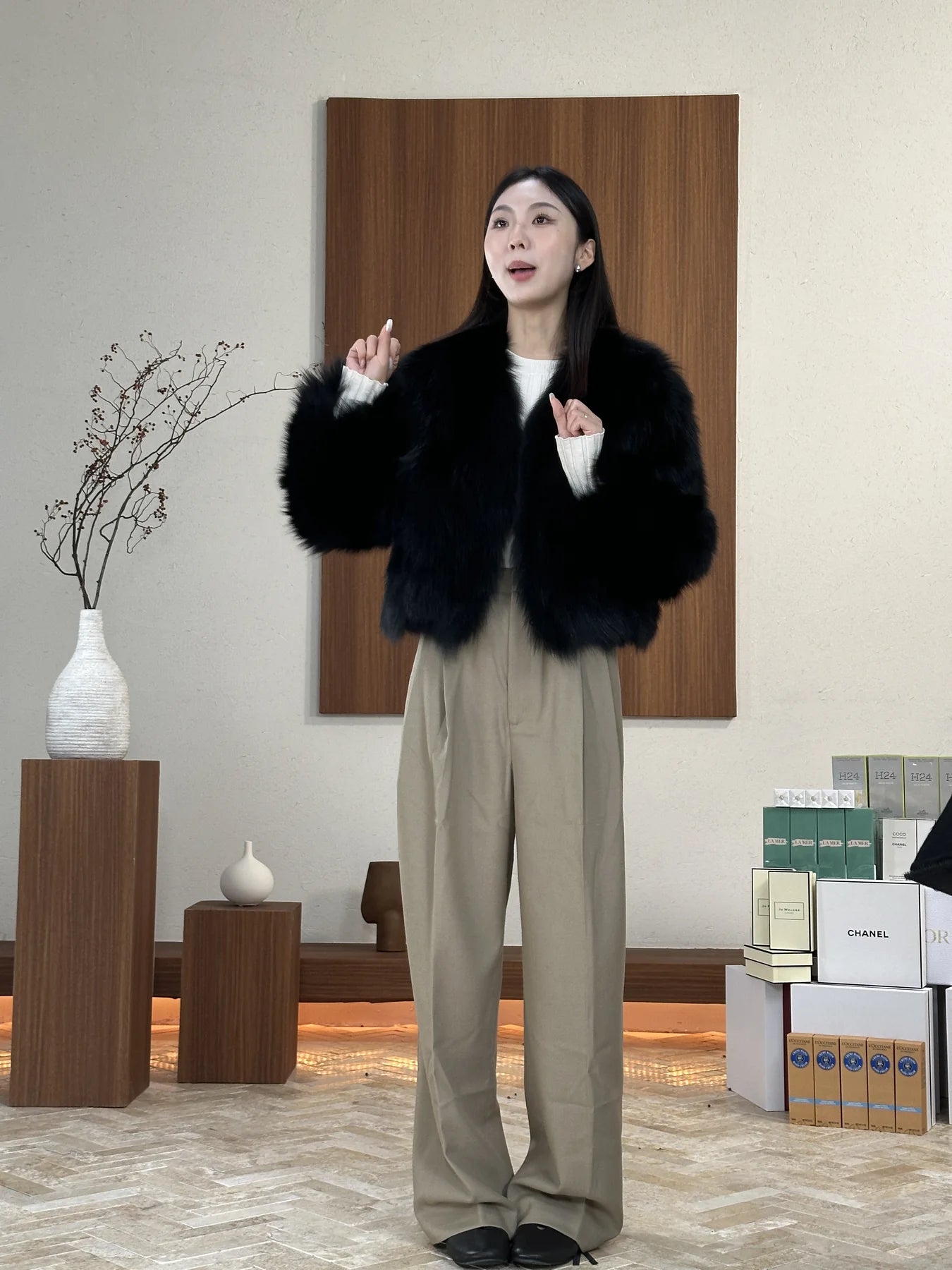
Black fur can look polished, evening-ready and sharp, but it can also become a dark block. The fix is not more accessories. It is shape: visible neckline, a trouser break, a clean boot, a smaller bag or a little contrast near the face. If black is your natural wardrobe base, read black fur coat outfits that look sharp before deciding the coat is too severe.
An all-black base works when the fabrics are not identical. Smooth knit against fur, leather boot against matte trouser, velvet pant against dense mink, or denim against fox all keep the look readable. If every surface is flat black, the coat may look heavy even when it fits well.
Brown reads warmer, but it still needs contrast
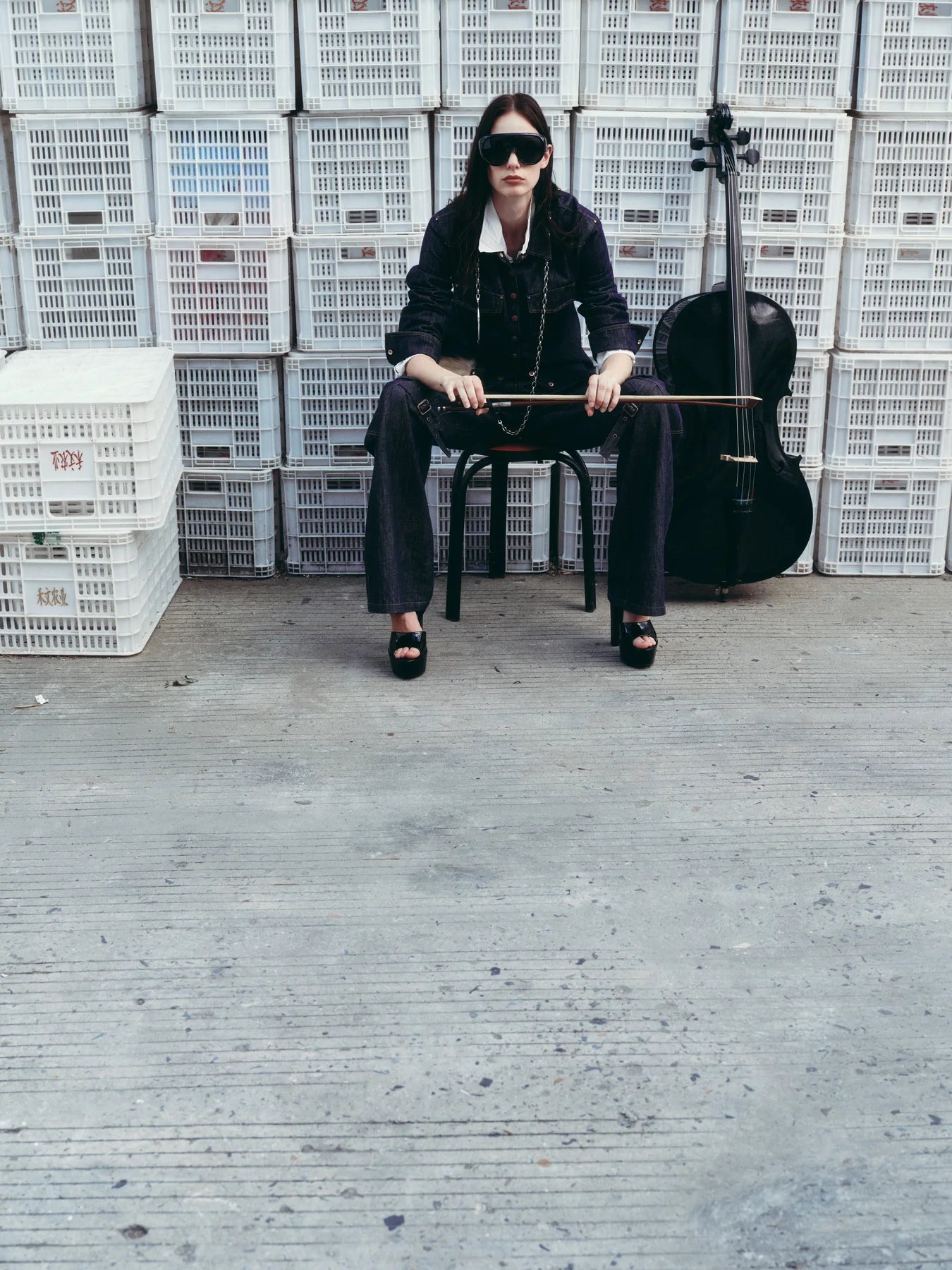
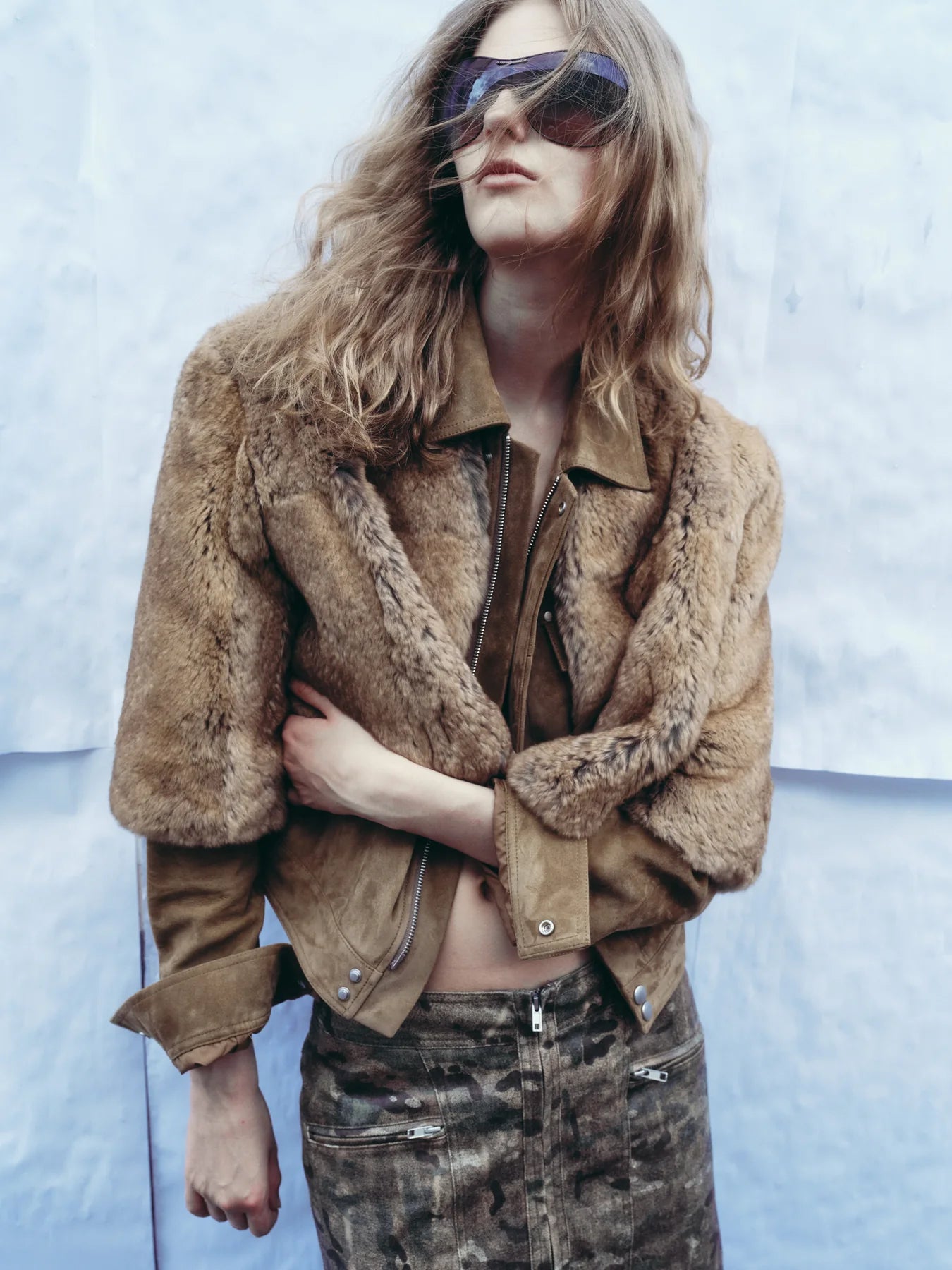
Brown fur has been strong in recent fashion coverage because it looks rich without feeling as severe as black. Chocolate, caramel, chestnut and espresso tones pair naturally with jeans, cream knits, suede, leather and gold jewelry. The risk is muddiness. If every piece sits in the same medium brown, the outfit loses shape. Open brown fur coat outfit ideas when warmth and depth are the main question.
Use black to sharpen brown, cream to lift it, denim to relax it, and suede or leather to add texture. Brown fur often photographs well in daylight because the surface catches warmth. At night, it needs a stronger base so it does not flatten under warm restaurant or street lighting.
Brown with black
Use a black knit, black boot or black bag when brown fur needs a cleaner outline.
Brown with cream
Use cream knitwear or ivory denim when the coat should feel warmer and less formal.
Brown with denim
Blue denim makes brown fur feel more relaxed, especially with ankle boots.
Cream and white need a plan for contact
White or cream fur has the strongest entrance and the most practical questions. It can look expensive, soft and modern with black, chocolate, grey, winter white or denim. It can also show makeup, dirt, bag contact and seat problems faster than darker colors. Use white or cream fur coat outfit ideas when you need the light-color version, because the styling and care threshold is different.
The safer formula is contrast with one dark anchor: black boots, a chocolate bag, dark denim or a charcoal base. A full cream outfit can work beautifully, but the undertones must be close enough that one piece does not look yellow, grey or accidental next to the coat.
Statement color needs a quiet supporting cast
A colorful fur coat can be the most memorable piece in the closet, but it should not force every outfit to become theatrical. Choose one supporting color from the coat, then keep the base simple: black, denim, cream, grey, brown or a clean dress. For the statement version, continue with how to style a colorful fur coat.
The stronger the color, the calmer the shoe and bag usually need to be. A cobalt or blue patchwork coat can handle denim and black. A warm ombre fur can handle chocolate, cream and simple boots. A pink or red fur needs even more discipline unless the event is meant to be playful.
Let one color repeat, then stop.
A statement coat looks intentional when one color appears again in the boot, bag, knit or lip. Three or four repeated signals can make the outfit feel staged.

Leather changes the mood immediately
Leather can make fur look sharper, more city-ready and less sweet. It can also make the outfit feel heavy if the coat, pants, boots and bag are all glossy or bulky. How to mix fur with leather covers the material balance: one surface should lead while the other gives structure.
A leather boot is the easiest place to begin. Leather pants or a skirt can work when the fur is shorter or cleaner. A leather jacket under or with fur is harder because both pieces have strong edges around the collar and sleeve.
Use leather where the outfit needs a boundary. A boot can give a cream coat weight, a belt can help a short jacket read intentional, and a small handheld bag can sharpen a soft neutral coat. The outfit usually starts to feel forced when leather appears at every point: boot, pant, bag, belt and glossy trim.
Texture is a color decision too
Shaggy, curly, patchwork and high-volume fur change how color reads. A quiet color can become loud when the pile is long. A bright color can become wearable when the coat is short and the rest of the outfit is clean. If the surface itself is the problem, use how to style textured fur.
Texture also changes what accessories can do. Heavy hardware, large scarves and busy bags compete faster with long pile than with smooth mink. A textured coat often needs fewer accessories, not more.
Check the coat from the side before deciding the palette is wrong. Long pile can make beige look warmer, black look larger and bright color look more dramatic. A smoother surface may solve the color problem without changing the shade at all.

Monochrome is about undertone and texture, not one exact shade
Monochrome fur works when the outfit uses one color family with visible texture changes. Black fur with black knit, black denim and leather boots. Cream fur with ivory knit and darker beige shoes. Brown fur with espresso, caramel and chocolate. Use monochrome fur coat outfits when the goal is tonal rather than contrasting.
The mistake is forcing pieces that almost match but do not agree. Two creams can clash more than cream and black. Two browns can make each other look dull. A good monochrome outfit lets one piece be deeper, one softer and one smoother.
The easiest way to test monochrome is to remove the coat. The knit, trouser, shoe and bag should still look related without becoming one flat block. When the outfit already has depth before the fur goes on, the coat finishes the mood instead of carrying the whole look.
Soft neutrals need one grounding point
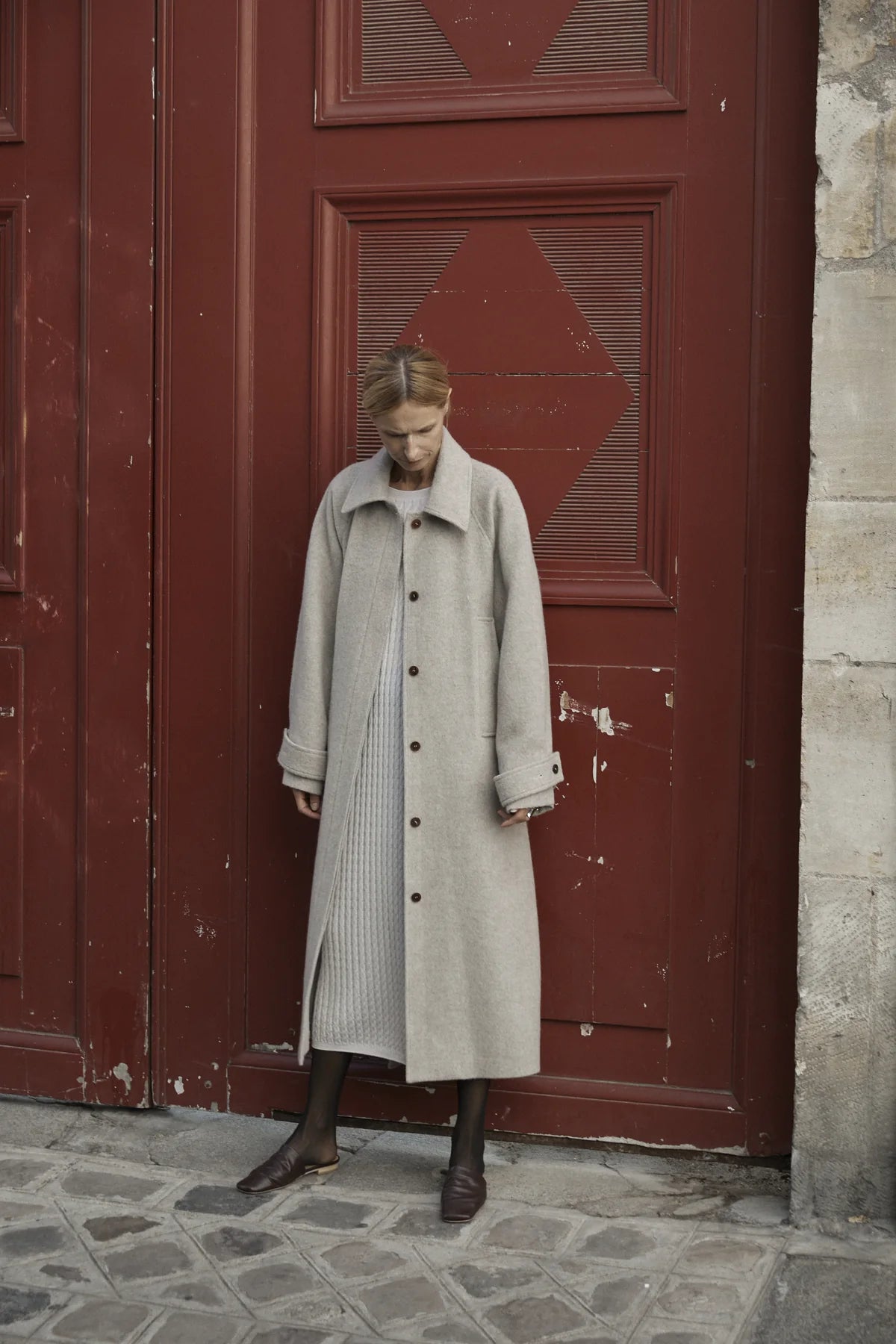
Soft neutral fur is appealing because it feels calm: oatmeal, taupe, camel, grey, beige, ivory and pale brown. The issue is that softness can become washed out. Add one grounding point: a brown boot, black bag, denim base, charcoal knit or gold hardware. For that quieter lane, open soft neutral fur coat looks.
Soft neutrals are especially useful when the coat should feel wearable in daylight. They sit well with coffee runs, office arrivals, winter brunch, gallery days and calm dinners. They are less forgiving around slush, makeup and heavy shoulder bags.
Do not make every piece pale simply because the coat is pale. A single deeper shoe, a cleaner denim wash or a sharper bag can keep the softness from looking sleepy. This is where quiet color becomes practical: the outfit can still be gentle, but it has enough structure to survive a real day.
Color matching should start with the clothes that stay visible
The coat may enter first, but the inner layer, shoes and bag stay in the outfit after the coat opens or comes off. That is why color matching belongs with base layers and accessories. If the question is simply which colors go with the coat, use what colors to wear with a fur coat. If the entire outfit formula is still open, use what to wear with a fur coat.
The quickest test is to lay out three repeat outfits before choosing the color: one casual, one polished, one cold-weather practical. If the coat color only works with one of the three, it may be a special-piece purchase rather than a daily winter answer.
| Coat color | Best base | Avoid | Next step |
|---|---|---|---|
| Black | Black knit, denim, leather boot, white tee, silver or gold jewelry. | Flat black from head to toe with no shape or texture change. | Black outfit rules |
| Brown | Cream knit, denim, black boot, suede, warm leather, gold jewelry. | Too many medium browns without a sharper anchor. | Brown outfit ideas |
| Cream or white | Black, chocolate, charcoal, winter white, clean denim. | Messy weather, heavy shoulder bags and clashing yellow/grey undertones. | Cream outfit ideas |
| Colorful | Black, denim, cream, grey or one repeated color from the coat. | A second loud print or a bag that competes with the color. | Colorful fur styling |
| Soft neutral | Taupe, camel, beige, grey, cream, brown boot or denim. | All pale pieces with no grounding point. | Soft neutral looks |
Choose color after the coat survives a real wardrobe test.
FireladyFur treats color as part of the garment, not as a flat swatch. A shade has to survive pile direction, lining, closure, sleeve length and the outfits a customer already repeats. For the brand background behind that standard, read About Firelady Fur.
Use FireladyFur collections by the role the color will play
If the outfit needs a smoother surface and controlled polish, mink is usually easier to style in black, cream and dark neutrals. If the outfit needs visible softness, collar volume or color movement, fox and artisan fur carry those signals more clearly. If weather, pockets and commuting are part of the day, fur trim may be the smarter styling answer.
This is also the point where a product page should confirm the color from more than one angle. Look for the front opening, sleeve, hem and side view. If the color only looks good in the cleanest studio frame, treat it as an inspiration image, not enough proof for a purchase.
 MinkUse when the outfit needs controlled polish and a dense surface.
 Fox FurUse when color, texture or collar volume is the main styling feature.
 Fur-Trim ParkasUse when the color mood needs weather, pockets and daily movement.
A final color test before buying
Take the color through five scenes: a daylight errand, a restaurant, a car seat, a standing photo and a closet beside your real shoes. If the coat still looks like you after those scenes, the color has a chance to earn wear. If it only looks good in the product photo, keep looking.
The test should feel slightly practical. Hold the coat beside the bag you actually carry, the boot you reach for on cold mornings and the knit or dress that stays visible indoors. A color that survives those ordinary pieces will usually be easier to repeat than a color that needs a new outfit every time.
Build three outfits before trusting one color
A color that looks perfect in one styled photo can fail once it meets the rest of the closet. Before buying, build three outfits on the bed or in a mirror: one casual outfit, one polished dinner outfit and one cold-weather practical outfit. The coat color should make at least two of them easier.
The casual outfit shows whether the coat can leave the house without a full production. The dinner outfit shows whether the color can look elegant under lower light. The cold-weather outfit shows whether boots, scarf, gloves and bag still make sense when the temperature drops.
If only one outfit works, the coat may still be worth buying, but it should be named honestly as a special-piece purchase. If two or three outfits work without buying new shoes or bags, the color has a stronger chance of becoming part of the wardrobe.
Daylight and indoor light change fur color
Black fur often looks cleaner in evening light and heavier in daylight. Brown fur can look rich in daylight and flatter under warm restaurant bulbs. Cream fur can look soft outside and too yellow under indoor lighting. Colorful fur may look artful in a product shot and louder in an elevator or car.
That is why the first photo check should not be a single front view. Use daylight, side view and one indoor light source. If the color only works in one light, the coat may still be right for a narrow occasion, but it is not a reliable daily choice.
The coat color should fit the places where it comes off
A fur coat is not only seen on the street. It is seen when it is opened in a restaurant lobby, removed at coat check, draped across an arm, carried through a hotel corridor, or hung beside other winter coats. The outfit underneath has to make the same color feel believable after the entrance.
For dinner, a black or cream coat often needs a cleaner base. For weekends, brown or soft neutral fur often feels easier. For parties, color can work if the room and storage plan are safe. For work, muted color and controlled surface matter more than drama.
| Scene | Color that usually behaves well | Why | Extra check |
|---|---|---|---|
| Restaurant dinner | Black, cream, chocolate, refined neutral. | The coat can look polished while the outfit underneath stays complete. | Can the coat be removed without crowding the table or collar? |
| Weekend errands | Brown, soft neutral, denim-friendly black, textured short fur. | The color can sit beside jeans, boots and knitwear. | Does the outfit still look natural near grocery bags or coffee cups? |
| Office arrival | Black, grey, dark brown, smooth cream if the office is polished. | The coat reads controlled rather than theatrical. | Is there a clean place to hang it? |
| Party or gallery | Statement color, black, ombre, patchwork, shorter textured fur. | The room can support a stronger first impression. | Will the coat be safe around drinks, smoke and crowded storage? |
Shoes make color look practical or precious
A coat color becomes more wearable when the shoe makes sense for the route. Black boots can sharpen cream, brown and colorful fur. Brown boots can warm black, cream and soft neutrals. Clean loafers make a coat feel city-ready. Delicate heels can make fur feel formal, but they can also make a daylight outfit look overdressed.
If shoes are changing the whole mood, move to what shoes to wear with a fur coat after this color decision. A good shoe does not only match the coat. It proves where the outfit can go.
Look at the hem, not only the color. A long coat may hide most of the shoe, so the toe and sole need to be clean. A short jacket exposes more lower half, so the boot shaft, denim break or trouser crease becomes part of the color story.
Bags are color, contact and proportion at once
A bag may repeat the coat color, contrast it or disappear into the base. With fur, the bag also touches the surface. A black shoulder bag can look perfect with cream fur and still be wrong if the strap crushes the pile. A brown top-handle can soften black fur and avoid pressure. A bright bag beside colorful fur often becomes too much unless it repeats the coat deliberately.
When the bag is doing more than color matching, use what bag works with a fur coat. For long pile, pale fur and high-value pieces, how the bag is carried can matter more than the shade.
Material changes the same color
Black mink, black fox and black shearling do not read the same. Mink looks closer, smoother and more controlled. Fox looks larger and more visible. Shearling can feel more practical. A cream mink may look refined, while a cream fox may look more dramatic. A brown fox may feel warm and casual, while a dense brown mink can feel more formal.
This is where color and material should be judged together. If the desired color feels wrong, the issue may be surface rather than shade. A smoother coat can make a statement color feel calmer. A fuller coat can make a quiet color feel more expressive.
Undertone is the quiet problem in neutral fur
Cream, taupe, camel, grey and brown fur all carry undertones. A warm cream can make a cool grey base look tired. A red-brown coat may fight a yellow camel trouser. A grey taupe coat may look dull beside muddy beige. These clashes are subtle, but they are the reason some neutral outfits look expensive while others look unfinished.
The simplest fix is to keep one clear temperature. Warm neutrals with warm leather, cream and gold. Cool neutrals with black, grey, silver and crisp denim. Mixed temperatures can work, but the outfit needs one stronger anchor so the clash looks deliberate.
Colorful fur needs a repeatable base wardrobe
A colorful fur coat is not automatically less practical. It becomes impractical when the owner has no base wardrobe for it. If you can wear the same coat with black trousers, straight denim, a simple dress and one winter boot, it may earn more wear than a plain coat that only works with formal pieces.
Before buying color, list the base outfits. If every outfit has to be invented from scratch, the coat is probably a special piece. If the base already exists, color can be the easiest way to make winter outfits feel alive.

The best statement color has ordinary clothes waiting for it.
A bright coat becomes wearable when jeans, black trousers, cream knitwear and clean boots already exist in the closet.
Pale fur needs a care threshold
Light fur can be worth the effort, but the effort is real. Makeup, fragrance, restaurant seating, shoulder bags, car interiors and wet sidewalks all show faster. The care threshold should be decided before styling. If the coat will be worn on clean, controlled occasions, cream can be excellent. If the coat is expected to handle rough daily routes, a darker color or fur trim may be better.
For ownership questions, use the Fur Coat Care Guide. For price and long-term usefulness, the Fur Coat Value / Resale Guide is a better next step than another outfit picture.
This does not mean pale fur should be avoided. It means the wearer should know the route before the outfit is finished. A car-to-door dinner, dry gallery opening or clean office arrival is a different styling problem from subway stairs, slush and a heavy shoulder bag.
If you already own one fur coat, choose the second by mood gap
The first fur coat often needs to be the most useful one. The second can solve a mood gap. If the first coat is black and polished, the second might be brown, cream, colorful or textured. If the first coat is dramatic fox, the second might be smooth mink or a quieter neutral. If the first coat is light and delicate, the second might be darker and easier to repeat.
This prevents duplicate buying. Two coats that serve the same color mood will compete with each other. Two coats that solve different scenes make the wardrobe easier.
Write down what the first coat already does well: dinner, denim, daily warmth, photos, office arrival or cold-weather errands. The second coat should answer a different scene, not repeat the same look in a slightly different shade.
Use product pages as color proof before treating them as inspiration
When browsing product photos, look for the color in more than one image. Front, side, close-up, model height, sleeve, hem and lining all matter. If the only useful image is a studio front shot, treat the color as unproven until you see more angles.
For FireladyFur, product-family browsing should follow the job. Mink for polish and density. Fox for visible texture and color drama. Artisan fur for designed surfaces and patchwork. Fur trim when weather, hood, pockets and daily movement matter.
A useful product page should help answer the same questions the mirror would ask: where the color sits near the face, how the sleeve reads, whether the hem changes the shoe, and whether the side view still looks balanced. If those views are missing, keep the color on the shortlist but do not let it become the only finalist.
A color decision is finished only when the outfit repeats
The final test is not whether the coat looks good once. It is whether you can imagine wearing it again without rebuilding the entire closet. Good color makes the next outfit easier. Weak color makes every outfit feel like a styling project.
Choose the coat that can enter real days, not only the coat that wins the first screenshot.
Repeat wear can be simple: the same black boot with two outfits, the same cream knit with brown fur, the same denim base with a colorful jacket. When a color creates small repeatable formulas, it is doing more than looking attractive.
What outfit inspiration pages often leave out
Most outfit pages show a polished result after someone else has already solved the coat, base layer, shoe, bag and lighting. They rarely explain why the outfit works. Those pages are useful for visual rhythm; the missing layer is shopping judgment: why black needs shape, why brown needs depth, why cream needs care, why color needs a calm base, and why texture changes the whole reading of a shade.
That difference matters for a shopper. Inspiration can start the direction, but the purchase decision needs thresholds. If the coat is pale, what route can it survive? If the coat is long pile, what bag is safe? If the coat is brown, what keeps it from becoming muddy? If the coat is colorful, what outfits already exist to support it?
Use the first coat and second coat differently
A first fur coat usually needs to be flexible. It should solve several outfits, not only one mood. Black, chocolate, soft brown, cream or a restrained neutral often make sense here, depending on the wardrobe. A second coat can be more expressive because it is not responsible for every winter outfit.
For a second coat, the question changes. Instead of asking what is safest, ask what the first coat cannot do. Maybe the closet already has black polish and needs brown warmth. Maybe it has a practical parka and needs a dinner coat. Maybe it has a smooth mink and needs textured fox. The color choice should fill that gap.
Do not let trend color outrun the wear plan
Trend coverage often makes one color feel urgent for a season. Brown may be everywhere, cream may look fresh, red may feel exciting, and shaggy statement coats may photograph well. A good trend purchase still needs a wear plan. If the trend color does not work with the owner's shoes, bag, denim, knitwear and dinner clothes, it will not become useful simply because it is current.
A current coat color should make existing outfits better. It should not require a new wardrobe around it unless the buyer deliberately wants a special-piece purchase.
Use trend as a permission slip, not the whole reason. If the color already belongs with the closet, the trend may make the purchase feel timely. If the color fights every existing outfit, the trend is adding pressure rather than solving a wardrobe gap.
When a quiet color is actually the bolder choice
Sometimes the more powerful choice is not the loudest color. A smooth black mink over a clean trouser can look stronger than a bright coat in the wrong room. A soft cream jacket over denim can look more modern than a complicated color story. A brown coat with the right leather boot can feel richer than a novelty shade.
The goal is not to choose the most noticeable coat. It is to choose the coat that gives the wearer presence in the places where she will actually wear it.
Quiet color can be bolder because it leaves less room for costume. It asks the cut, surface, shoe and base outfit to be good. When those pieces are strong, a quieter coat can look more confident than a louder color that needs explanation.
Color and length should be judged together
A long black coat can feel formal; a short black jacket can feel casual. A long cream coat can look elegant but delicate; a short cream jacket can feel easier. A cropped colorful fur can read playful; a full-length colorful coat becomes a major statement. Length changes color mood as much as material does.
If length becomes the bigger issue, compare the dedicated length and category articles in the wider Fur Coat Styling Guide. Color decisions should not be separated from shape.
When the color feels too much, try a shorter shape. When the color feels too safe, a longer line or stronger collar may give it presence. Shape is often the lever that makes the shade wearable.
The coat should work with the owner's strongest clothes
A color that only works with aspirational outfits is risky. If the owner really wears black jeans, ribbed knits, boots, gold jewelry and a small bag, choose a coat color that improves that base. If the owner really wears dresses, heels and smooth handbags, a more polished shade may be smarter. If the owner lives in denim and sneakers, a dramatic long coat may need a very specific personality to work.
Good styling begins with honest inventory. The coat should join the real closet, not the imagined one.
This is not a conservative rule; it is a repeat-wear rule. A dramatic color can still be right if the strongest clothes already support it. A safe color can still be wrong if it only works with outfits the owner never reaches for.
Use returns and alterations risk as part of color judgment
Color can hide or expose fit problems. Dark coats may hide some minor surface variation but can make poor shoulder fit look heavy. Light coats show proportion and contact more clearly. Bright coats draw attention to every seam, closure and sleeve. If the color is dramatic, the fit tolerance is lower.
Before buying, check whether the product photos show enough angle, length and surface information. If not, ask for more information before assuming the color will solve the outfit.
Alterations are also harder to ignore in visible colors. A sleeve that is slightly long, a shoulder that hangs low or a hem that fights the shoe will be noticed faster when the coat is bright, pale or high-contrast.
The strongest color path is boring to explain and easy to wear
A reliable color decision often sounds simple: black coat with denim and boots, brown coat with cream knit and leather, cream coat with chocolate shoe, colorful coat with black base, soft neutral coat with one deeper bag. Simple does not mean basic. It means the outfit can be repeated without anxiety.
That is the final FireladyFur standard for this group: the color should have style, but it should also lower the effort of getting dressed.
If the explanation needs too many conditions, the color may still be beautiful but narrow. A strong color path can usually be described in one sentence and then worn in several real outfits.
Black should be chosen for outline, not only safety
Black is the safest color only when the coat still has shape. A black fur coat with a clear shoulder, visible sleeve opening and clean hem can look sharp with denim, trousers, dresses and evening pieces. A black coat with no visible outline can feel heavy, especially in daylight.
If black is the front-runner, compare the focused styling path in Black Fur Coat Outfits That Look Sharp, Not Heavy. The question there is not whether black matches. It is whether black still lets the person, base layer and shoe line show.
Before choosing black as the default, test it open and closed with the real base layer. If the neck, sleeve and hem still read clearly, black is doing its job. If the outfit becomes one block, the problem is outline rather than color matching.
Brown needs depth, not perfect matching
Brown fur is strongest when the outfit has several related tones rather than one exact match. Cream knitwear, dark denim, black trousers, chocolate boots and warm leather can all belong with brown. The outfit usually fails when every piece sits in the same middle shade.
A brown coat also changes with light. Golden brown can look warm and casual. Espresso can look more polished. Red-brown can need cleaner shoes and fewer camel pieces. The product photo should show enough daylight or close-up information to understand that undertone.
If brown starts to feel flat, add depth before adding another warm color. A darker boot, black trouser, cream neckline or blue denim base usually improves the outfit faster than a bag that almost matches the coat.

Cream and white need a route before they need accessories
A pale fur coat can look clean, expensive and fresh, but it is less forgiving than black or brown. Before choosing shoes or jewelry, check the route: restaurant seating, car interior, coat check, sidewalk weather, makeup near the collar and whether a bag strap will touch the shoulder.
For a pale coat that has to survive real ownership, pair this styling decision with the Fur Coat Care Guide. The color can be beautiful and still wrong for a week with slush, heavy bags and no safe storage at work.
When the route is clean, pale fur can be one of the strongest choices in the room. When the route is rough, move the light color into the base layer, trim or accessory instead of making the entire coat handle the risk.
Bright color works when one ordinary outfit is already ready
A colorful fur coat does not have to be impractical. It becomes impractical when the closet has no quiet base for it. Black trousers, straight denim, a simple dress, a fine knit and clean boots can make red, blue, pink, green or ombre fur feel wearable.
The first repeat is enough. If the coat has blue in it, denim may be the repeat. If it has red, a black base may be enough. If it has several tones, choose one color to echo and let the rest of the outfit stay calm.
The ordinary outfit also protects the coat from looking like costume. A strong color over clothes that already make sense reads as confidence. The same coat over a weak base can look like it is trying to cover an unfinished outfit.

Texture can make a quiet shade look louder
A soft brown smooth mink and a shaggy brown fox are not the same color experience. A short black jacket and a long black coat are not the same mood. Texture changes how much space the color takes up, how formal it feels and how simple the rest of the outfit must become.
If the surface is the main issue, move to How to Style Textured Fur So the Outfit Still Looks Clean. That article handles long pile, patchwork, collars, bag contact and side-view volume in more detail.
Before switching colors, compare a smoother and fuller surface in the same shade family. The color may be right; the pile length, collar volume or patchwork layout may be what is making the outfit feel loud.
Monochrome succeeds only when the surfaces separate
A monochrome fur outfit can look intentional, but it should not become one flat sheet of color. Black fur with black ribbed knit, leather boots and a visible trouser break has depth. Cream fur with ivory knit, suede boot and chocolate bag has shape. Brown fur with espresso, caramel and denim has range.
When every piece has the same surface and shade, the outfit loses dimension. If the goal is monochrome, vary fabric before adding another color.
A good tonal outfit should still be readable after the coat opens. If the base layer, lower half and shoe disappear into one color block, use texture, a deeper shoe or a cleaner neckline to restore the shape.
Soft neutrals need one firm line
Soft neutral fur is useful when the coat should make winter dressing easier rather than louder. Beige, oatmeal, taupe, camel and soft grey can work for coffee, office arrival, brunch, gallery days and relaxed dinner. They still need one firm line: a darker boot, clean bag, denim base or sharper trouser.
For quieter winter dressing, use Soft Neutral Fur Coat Looks for Quiet Winter Outfits. Quiet color is not the same as weak styling; the line still has to be deliberate.
Put the firm line where the outfit is most likely to fade. If the coat and knit are pale, use a darker shoe. If the lower half is soft, use a structured bag. One clear point is usually enough.
The best color for photos may not be the best color for repeat wear
A coat can photograph beautifully and still be hard to use. Pure white may win a studio image and lose in a crowded restaurant. Bright red may look exciting and then sit unworn because none of the shoes make sense. Black may look elegant and then feel too formal for the owner's real week.
Use photos as a first filter, then test the real week: one casual day, one dinner, one cold route, one stored moment and one outfit after the coat comes off.
This is where a less dramatic color can win. A shade that appears in fewer saved photos may still be the coat that gets worn twice a week because it agrees with the shoes, bag and base layers already in rotation.
Choose the color around the shoes already owned
Shoes are the quiet truth in a fur outfit. If every useful shoe fights the coat, the color will become hard to wear. Cream fur often likes black, chocolate or charcoal shoes. Brown fur often likes chocolate, black, denim and warm leather. Bright fur often needs one calm shoe. Black fur may need a shoe that gives it shape instead of more weight.
This is not a fashion rule; it is a repeat-wear rule. The coat that works with existing boots has a much better chance of leaving the closet often.
If the best shoes are all casual, a shorter or more textured coat may be easier. If the best shoes are polished, smoother fur or a cleaner color may repeat better. The shoe closet often tells the truth before the wishlist does.
Let bags settle the mood without damaging the surface
A bag does more than complete the palette. It touches the coat. A heavy shoulder bag can flatten long pile, mark pale fur or distort a soft collar. A top-handle or clutch can make a delicate coat easier for dinner. A small crossbody may work with trim or practical outerwear but fight full fur.
When the bag is part of the problem, continue to What Bag Works With a Fur Coat. With fur, a beautiful color match can still be a poor practical match.
If the bag must carry weight, choose a coat or trim that can tolerate the strap. If the coat is delicate, choose a hand-carried bag and let color matching become secondary to surface protection.
Color should not hide poor fit
Dark fur can hide some surface variation, but it cannot hide a bad shoulder. Cream fur can expose proportion quickly. Bright color draws the eye to every seam, closure, sleeve and hem. If the fit is already uncertain, a dramatic color increases the risk.
Check the coat from the front and side. Then sit, lift a bag and open the coat. If the color is strong, the fit has to be cleaner because more people will notice the line.
This is especially important with cropped jackets and high-volume collars. A beautiful shade cannot make a crowded neck, heavy shoulder or awkward sleeve opening feel intentional.
Use one color role for each outfit
A reliable outfit usually has one main color role. The coat can be the statement, the base can be the statement, or the shoe and bag can create the contrast. When all three try to lead, fur becomes harder to read.
For black fur, let shape lead. For brown fur, let warmth lead. For cream fur, let cleanliness lead. For colorful fur, let the color lead. For soft neutrals, let texture and line lead.
Once that role is chosen, the other pieces can quiet down. This keeps the outfit from becoming a debate between coat, bag, shoes, jewelry and base layer.
| Coat direction | Best first outfit test | What usually ruins it | Better correction |
|---|---|---|---|
| Black | Denim or trouser with visible neckline. | Hidden base and heavy black shoe. | Add grey, white, denim or a sharper boot line. |
| Brown | Cream knit, dark denim, warm leather. | All pieces in the same middle brown. | Add espresso, black, cream or blue denim. |
| Cream / white | Chocolate or black anchor with clean base. | Messy route, heavy shoulder bag, clashing whites. | Use darker shoe, top-handle bag and controlled occasions. |
| Colorful | Black, denim or one repeated coat tone. | Several bright accessories competing. | Repeat one tone and quiet the rest. |
| Soft neutral | One darker grounding piece. | All pale and loose at once. | Add a structured bag, deeper boot or denim. |
The first fur coat should solve more than one mood
A first fur coat usually has to earn closet space. It should work with at least two common outfit types: denim and boots, trousers and knitwear, a simple dress, dinner clothes, or a polished cold-weather route. This does not always mean choosing black. It means choosing the color that makes the owner's real clothes easier.
For some wardrobes, that is black. For others, it is brown, cream, taupe or a soft neutral. A color is practical when it connects to what is already worn, not when it sounds safe in isolation.
If the first coat only works for one beautiful outfit, it may be a good second coat but a risky first one. The first coat should lower dressing friction across several weeks, not only one event.
The second fur coat can solve a missing mood
After the first coat is covered, color can become more expressive. A closet with a black mink coat may benefit from brown fox, cream short fur, a colorful artisan piece or a soft neutral daylight jacket. A closet with a dramatic fox coat may need a smoother mink or a quieter shade.
The second coat should not be another version of the same mood unless the first one is wearing out. It should answer a scene the first coat does not handle.
Look at the moments that still feel hard after the first coat is chosen. Maybe the closet has a serious dinner coat but nothing relaxed for daylight. Maybe it has a warm brown coat but no pale piece for winter whites. That missing moment should guide the second color more than a saved product photo.
Trend colors deserve a one-season and three-season test
A color trend can be worth buying if it fits beyond the moment. Brown, cream, shaggy textures and statement colors can all feel current, but the stronger check is whether the coat still makes sense after the trend cools down.
The one-season test asks whether the coat feels exciting now. The three-season test asks whether it still works with shoes, bags, base layers and events you already repeat. If both answers are yes, the trend is not only a trend purchase.
Treat the trend as permission, not as proof. A trend is useful when it makes an existing desire feel easier to act on. It is less useful when it pushes the buyer into a color that requires a new wardrobe, new storage habits and a kind of outfit the owner rarely wears.
FireladyFur color judgment begins with material honesty
FireladyFur's useful color standard is practical: the surface, backing, lining, color depth and product photos should support the outfit claim. A beautiful shade is not enough if the material, pile direction, fit or photo evidence does not support real wear. For brand context, use About FireladyFur; for the full outerwear path, return to the Firelady Fur Guide.
This matters most with fur because color is tied to texture. The same shade can look smooth, fluffy, glossy, soft, dense, casual or formal depending on the material. The better product page helps the reader understand that before purchase.
A good product page should help the buyer read the color from several angles: close to the face, across the body, near the hem and beside the lining or closure. When those views agree, the color feels more trustworthy. When they conflict, the buyer should slow down and ask what the garment will look like in real movement.
When to choose fur trim instead of a full color statement
Sometimes the right answer is not a full fur coat. If the route includes weather, travel, long seats, school runs, commuting, errands or heavy bags, a detachable fur-trim parka can give softness near the face while the shell handles the route.
That is why collection browsing should include fur-trim parkas when the color mood is wanted but the day is rough. The decision is not less stylish; it is more honest about where the coat will be worn.
Trim also works when the buyer wants a color close to the face but does not want the whole outfit to revolve around fur. A dark parka with a warm collar, a leather jacket with a fur edge, or a practical shell with removable trim can carry the mood without asking the hem, sleeves and bag contact points to stay perfect all day.
When color should yield to care and value
A rare or expensive material should not be chosen only because the color is exciting. Mink, fox, artisan patchwork, cream fur and pale tones all carry different care and value expectations. A color that needs special storage, professional cleaning or careful routes should be bought only when the owner accepts those habits.
If value is part of the purchase, compare the Fur Coat Value / Resale Guide. Resale and long-term use depend more on material, condition, care and wearability than on a single outfit photo.
This is especially important for pale fur and high-contrast designs. The color may be the reason the coat feels special, but it also creates the maintenance standard. If the owner cannot protect the collar from makeup, the shoulder from bags and the closet from crowding, a deeper shade or trim piece may be the better purchase.
A simple final test before adding to cart
Name the coat's best three outfits out loud. If the answers are specific, the color has a plan: black fur with straight denim and boots; brown fur with cream knit and chocolate leather; cream fur with black trousers and top-handle bag; colorful fur with denim and one repeated tone.
If the answers stay vague, keep browsing. A good color does not need a complicated explanation. It should make the next outfit easier to build. The strongest choice is usually the shade that sounds simple in words because it already belongs to real winter clothes.
Do the same test with the least glamorous day. If the color only works for the most styled dinner photo, it may still be right, but it should be bought as a special coat. If it also works for a cold errand, a weekend lunch or an office arrival, the color has a stronger claim on closet space.
Use a five-minute closet audit before choosing a shade
Open the closet and count the pieces that already support the coat. Not the pieces that could be bought later, but the clothes that already fit, already get worn and already feel comfortable: the knitwear, denim, trousers, dresses, boots and bags that survive a normal week.
If black has six ready outfits and cream has one, black is not boring. It is practical. If brown connects to every pair of boots and every cream sweater, brown is not only a trend. It is a good wardrobe bridge. If color connects to nothing, it needs a deliberate special-piece budget.
Write down the winners before opening another product page. A color that already touches five real outfits has stronger evidence than a color that needs an imagined future wardrobe. This small audit keeps the article's advice close to the clothes the owner will actually wear.
Color should be tested open, closed and carried
A coat color can look right when closed and wrong when open. The base layer may suddenly look unfinished, the neckline may compete with the collar, or the lower half may look too casual. Test the coat open before judging the outfit finished.
Also test the carried moment. In real life, a fur coat is sometimes held over an arm, draped on a chair, checked at a restaurant or carried through a warm lobby. Light colors, long pile and high-volume collars should still look graceful when the coat is not being worn.
Does the color frame the face?
Check collar, shoulder and sleeve before styling accessories.
Does the base outfit still work?
The clothes underneath should not look like an afterthought.
Does the coat still feel manageable?
Pale fur, long pile and delicate finishes need a safe route.
A color that hides dirt may still show wear
Dark fur is forgiving in some ways, but it can show lint, dust, crushed pile and poor storage. Pale fur shows makeup, bag contact and route problems sooner. Brown and soft neutrals hide more than white but can look tired if the pile direction is uneven.
Do not choose a color only because it seems low maintenance. Choose it because the owner's habits match it: storage space, professional cleaning tolerance, bag choices, weather exposure and how often the coat will be worn.
Maintenance also changes by surface. A smooth dark coat may show flattened areas around the elbow or seat. A pale long-pile coat may show contact around the collar first. A textured brown coat may forgive color marks but still reveal matting if it is stored too tightly.
The more dramatic the color, the quieter the base should become
This applies to more than bright colors. A very glossy black coat, a very pale cream coat, a shaggy brown fox, a patchwork artisan piece or a strong ombre can all behave dramatically. The base outfit should decide how much room the coat needs.
If the coat is already strong, a simple base is not lazy. It is the reason the coat looks intentional. The better supporting outfit may be a black turtleneck, straight jeans, a plain slip dress, a dark trouser or a clean tee.
A quiet base should still look finished when the coat opens. That is the difference between restraint and underdressing. The neckline, shoe and bag can stay simple, but they should look chosen rather than hidden behind the fur.
A quiet coat can carry stronger styling
The reverse is also true. A smooth soft-brown coat, a compact black mink jacket or a gentle taupe coat can handle a more interesting shoe, a better bag, a silk blouse or a stronger jewelry choice. Quiet color gives accessories more room.
The outfit should have one center of gravity. When the coat is quiet, another piece can lead. When the coat is loud, the supporting pieces should not compete.
This is useful for buyers who worry that neutral fur will feel plain. A quieter coat can be the piece that lets a good boot, a sharp trouser or a better handbag show. The result can feel more expensive than a louder coat surrounded by confused accessories.
Price should follow usefulness, not only rarity
Material value matters, especially with mink, fox and well-made artisan fur. But the most expensive color is not automatically the best purchase. A rare shade that is worn twice is less useful than a simpler color that appears every winter.
When price, material and long-term use start to matter more than the outfit, use the Fur Coat Value / Resale Guide. Color is part of value only when the shade can be maintained and worn.
The strongest value usually sits where material quality and repeat wear meet. A good mink coat in a shade that works weekly may carry more real value than a rarer color that never leaves storage. A fox coat with the right texture and color may be more satisfying than a supposedly safer coat that does not fit the owner's clothes.
How to choose between two good colors
If two colors both look good, choose by friction. Which one works with more existing shoes? Which one survives the actual route? Which one looks good with hair and makeup? Which one can be stored safely? Which one still looks good when the coat is open?
The better color is usually the one that creates fewer small problems. In fur, small problems matter because weight, pile, length, collar and care already demand attention.
If the answers are still tied, choose the color with the clearer role. One shade should be easier to name: daily black jacket, brown weekend coat, cream dinner piece, colorful party coat, soft neutral daylight coat. A clear role makes the purchase easier to use after the excitement fades.
Use the face area as the final color check
Fur lives close to the face. A collar can brighten the skin, sharpen the jawline, make hair look richer, or make the face look tired. Black can be elegant but severe. Cream can be soft but wash some people out. Brown can warm the face. Bright color can lift the outfit or overpower it.
If the color near the face feels wrong, no shoe or bag will fully fix it. Try a different neckline, makeup level or shade family before forcing the outfit.
The face check should happen before the accessory check. Shoes and bags can correct the lower half, but they cannot change how the collar frames skin, hair and jewelry. If the top half already works, the rest of the outfit has much more room to adjust.
Let climate narrow the color before styling does
A dry car-to-door winter supports lighter fur, longer coats and more delicate finishes. A city winter with slush, subway stairs, crowded sidewalks and heavy bags supports darker shades, shorter coats, fur trim or sturdier surfaces. Climate does not decide style completely, but it narrows what will be easy.
If the climate is rough and the desired color is pale or delicate, keep it as a reserved occasion coat rather than a daily coat. That is a better decision than forcing the coat to do rough-weather work.
The same shade can have two different lives depending on the city. Cream fur in a dry, car-based routine can be realistic. Cream fur for subway stairs, crowded sidewalks and shoulder bags needs stricter planning. Climate turns a pretty color into either a habit or a special occasion.
Use the lowest-maintenance color for the highest-frequency coat
The coat worn three times a week should usually be easier than the coat worn three times a season. A high-frequency coat needs a color that works with daily shoes, daily bags, daily storage and daily weather. A low-frequency coat can be lighter, brighter, more delicate or more dramatic.
This is the simplest way to avoid regret. Let the everyday coat be easy; let the special coat be expressive.
Frequency should also decide how much contrast the buyer chooses. A daily coat can still have personality, but it should not demand a perfect outfit every morning. Save the most delicate color, longest pile or loudest contrast for days when the route can protect it.
Choose the product family after the color role is clear
If the color should look polished, mink and smoother fur surfaces often make sense. If the color should show texture, fox and artisan pieces carry mood more clearly. If the color should add softness around the face while the day stays practical, fur trim can be smarter than a full coat. If the color should become a quiet winter base, soft neutrals and compact shapes are easier than dramatic volume.
This is why the final decision should not be color alone. Color names are useful, but product family decides how that color behaves on the body.
 Mink for polishBest when color should feel dense, controlled and refined.
 Fox for visible textureBest when color should have softness, volume or a stronger visual edge.Fur trim for practical routesBest when weather, pockets, hood and movement matter more than full fur drama.
A good color decision gives the reader somewhere to go next
After the color is chosen, the next article should answer the problem that remains. If the problem is black heaviness, use the black outfit article. If the problem is brown flatness, use the brown outfit article. If the problem is pale upkeep, use the cream article and the care page. If the problem is color matching, use the color-pairing article.
The broader styling path stays in the Fur Coat Styling Guide; the broader ownership path stays in the Fur Coat Guide. The point is not to read everything. It is to choose the next question that will actually change the purchase.
Undertone matters more than the color name
Two coats can both be called brown and behave very differently. One may lean golden and look easy with cream knitwear. Another may lean red and need black, denim or darker leather to stay clean. The same is true for cream, grey and black. A warm cream can look soft beside camel; a cool cream may look sharper with charcoal or chocolate.
Do not judge the shade from the product name alone. Look at the coat beside skin, hair, the lining, the closure and the most common base layer. If the undertone fights every piece already in the closet, the color will feel difficult even when the coat itself is beautiful.
Daylight and restaurant light can change the winner
Color is not fixed once the coat leaves the product page. Brown fur often warms up in daylight. Black fur can look sleeker at night than it does in a bright hallway. Cream fur can look expensive in soft light and too exposed under cold office lighting. Bright fur can look playful outside and much louder under warm dinner light.
A useful product choice survives more than one light setting. If the coat is meant for daytime errands, check outdoor photos and casual bases. If it is meant for dinner, imagine the coat at the entrance, then over a chair or in coat check. The best color is the one that still makes sense after the lighting changes.
Hair color and makeup change the color read
Fur sits close to the face, so the coat color interacts with hair, skin, lipstick, earrings and neckline. Black can sharpen the face or make it look severe. Cream can brighten the face or wash it out. Brown can add warmth or look muddy. A vivid shade can lift the outfit or pull attention away from the person.
This is why a flat product photo is only a starting point. The collar area needs special attention. If the face looks tired beside the fur, try a cleaner neckline, a different jewelry tone or a neighboring shade before forcing the purchase.
The room decides how much drama the color can carry
A coat worn to a hotel lobby, gallery opening or winter dinner can carry more drama than a coat worn through office elevators, school pickup or a crowded train. The color may be beautiful in both settings, but the tolerance for volume and brightness is different.
When the room is formal, a stronger coat can feel appropriate if the base outfit is restrained. When the room is casual, the same coat needs denim, boots, knitwear or a quieter bag to bring it back to real life. Color works best when the room does not force the wearer to keep explaining it.
Texture should change the accessory plan
A smooth mink coat in black or brown can handle polished jewelry, a structured handbag or a sharper boot. A long-pile fox coat in the same color may already have enough movement, so the accessories should quiet down. Patchwork, ombre and shaggy surfaces need even more restraint.
This is where many outfit photos mislead. They show the coat standing still, not the way the pile moves when the wearer turns, sits, reaches for a bag or walks under street light. If the texture is strong, let the color and surface do more of the work and keep the supporting pieces clean.
Side view can expose a color mistake
A coat may look perfect from the front and bulky from the side. Dark colors can hide some width, but they can also create one heavy block. Light colors show volume faster. Bright colors make side-view bulk more visible because the eye notices the whole outline.
Check the side view before trusting the color. A short jacket, a cleaner trouser, a visible waist or a smaller bag can rescue the outfit. If the side view still feels heavy, the issue may be shape rather than shade.
This check matters most for long coats, wide collars and high-volume fox. A color that feels elegant in a front-facing photo can become too much once the body turns. If the side view looks crowded, reduce the bag, simplify the lower half or choose a shorter version before abandoning the shade.
The daily coat should be easier than the special coat
A coat meant for weekly wear should not need a perfect route, perfect weather and a perfect outfit. It should work with the shoes, bag, base layer and storage habits that already exist. Black, brown and soft neutrals usually win here because they can repeat without making every outfit feel arranged days in advance.
A special coat can be less practical. Cream, bright color, high texture and delicate finishes can be worth buying when the wearer has real occasions for them. The mistake is asking a special coat to behave like a daily coat while still expecting it to look pristine.
Use contrast to make quiet color feel intentional
Soft neutrals, taupe, oatmeal, pale grey and muted brown can look elegant, but they need one point of definition. That may be a darker boot, a black knit, a chocolate bag, denim, a clean belt or a sharper trouser. Without that line, quiet color can look unfinished rather than soft.
The contrast does not need to be harsh. A deep bag beside cream, a dark brown boot beside beige or a grey knit under taupe can be enough. The point is to give the eye a place to land.
Place contrast where the outfit is weakest. If the coat and top are soft, use the shoe. If the lower half is pale, use the bag. If the entire outfit is tonal, use a neckline or belt. One clean contrast point is usually more useful than adding several small accessories.
Use restraint to make loud color feel wearable
Bright or patterned fur does not need more excitement around it. It needs one ordinary base that proves the coat can be worn again. Denim, black trousers, a plain knit, a slip dress or a simple boot usually does more for a statement coat than another statement accessory.
If the coat has several colors, choose one to repeat and ignore the rest. Repeating every shade makes the outfit feel staged. Repeating one shade makes the color look intentional.
Restraint should feel deliberate, not unfinished. The base layer should still fit well, the shoe should still look clean, and the bag should still make sense for the room. A strong coat over sloppy basics looks accidental; a strong coat over quiet, finished pieces looks wearable.
The buying order should not start with mood
Mood matters; it is often the reason someone notices a fur coat in the first place. But the buying order should be stricter: material, fit, color, outfit, route and care. If material or fit is weak, color cannot fix the purchase. If the route is wrong, even the best shade becomes stressful.
Once those checks pass, mood becomes useful. A coat can be warm, dramatic, quiet, polished, romantic, casual or sharp. The right color is the one that gives that mood without creating too many small problems around it.
This order also protects the buyer from beautiful but fragile choices. A coat can have the exact mood the owner wants and still be wrong if the shoulders sag, the hem fights the shoes or the color needs care habits the owner will not keep.
A better shortlist compares how each color will be worn
Instead of saving ten coats because the shades look attractive, shortlist by job. One coat may be the black city coat. One may be the brown denim-and-boot coat. One may be the cream dinner coat. One may be the colorful statement coat. When each option has a job, the decision becomes clearer.
This also prevents duplicate buying. If two coats solve the same job, choose the better material, fit and care path. If two coats solve different jobs, decide which job is missing most from the closet.
A practical shortlist should sound like real days, not color names. Compare the black coat for weekday polish, the brown coat for denim and boots, the cream coat for controlled dinners and the bright coat for nights out. The color that owns the most useful day usually deserves priority.
The final test is whether the color lowers effort
A strong purchase makes getting dressed easier. The coat should not require a new bag, new shoes, new base layers and a new routine unless the owner deliberately wants that kind of special piece. For most wardrobes, the best color is the one that improves clothes already being worn.
That is the practical promise of a good fur color: it adds mood without adding daily friction. When the coat can repeat across real outfits, the color has done its job.
If the color keeps creating extra decisions, pause before buying. A special coat can be worth the effort, but it should be named honestly as a special coat. A daily coat should make the first outfit of the week easier, not send the owner back to the closet for new supporting pieces.
Keep one color note visible after the coat comes off
A fur coat often makes the entrance, but the outfit continues indoors. If the color story disappears the moment the coat is removed, the look can feel unfinished. A brown coat can leave behind a chocolate belt or warm boot. A black coat can leave a black knit, clean trouser or dark bag. A cream coat can leave an ivory top, pale skirt or soft handbag. A colorful coat can leave one small echo in the shoe, bag or jewelry.
This does not mean the outfit should match perfectly. It means the coat should not be the only clue. When one color note remains indoors, the whole look feels connected rather than borrowed for the doorway.
Let storage habits decide the palest options
Light fur is easier to admire than to store casually. A pale coat needs breathing room, a clean hanger, distance from dark bags, makeup and heavy fragrance, and a place where it will not be crushed by other outerwear. If storage is tight, the palest and longest coats become more demanding than the product photo suggests.
A buyer who has careful storage can enjoy cream, ivory and soft neutrals with less stress. A buyer with crowded closets, daily commuting and little time for maintenance may be happier with brown, black, deeper neutrals or a practical trim piece. Storage is not glamorous, but it protects the color that made the coat worth buying.
If the color still feels hard, choose the easier silhouette
Color difficulty often becomes easier when the shape is simpler. A dramatic shade may feel wearable as a short jacket but demanding as a full-length coat. A pale fur may feel easier with a clean shoulder and shorter hem than with heavy volume. Before rejecting the color completely, compare a quieter silhouette in the same family.
The opposite is also useful. If the shade is very safe, a better texture or stronger silhouette can keep the coat from feeling plain. Color and shape should solve each other instead of creating two separate problems.
This is often the final save for a color the buyer still loves. Shorter length, cleaner collar, smoother surface or less volume can make the same shade feel more wearable. If every silhouette in that color still feels difficult, the color may be better as trim, an accessory echo or a future second coat.
FAQ
What is the easiest fur coat color to wear?
Black is easy if the wardrobe already has shape and contrast. Brown is often easier for denim, boots and warm neutrals. Cream is beautiful but needs more care.
Is a colorful fur coat practical?
It can be practical as a statement piece if the wearer has simple base outfits ready: black, denim, cream, grey or one repeated color from the coat.
Should a fur coat match the outfit exactly?
Not always. Exact matching can look flat. A better outfit usually uses one color family with contrast in texture, depth or shoe color.
What color fur coat looks most expensive?
The expensive effect depends on material, surface, fit and styling. Black, chocolate, cream and soft neutrals can all look refined when the coat is well made and the outfit is clean.
Choose the color you can repeat
Open the color-specific articles when one shade is the real question, or return to the full styling path when the whole outfit needs planning.


