


Article Summary
Stiffness noticed during necessary handling or an existing opening can justify a furrier assessment. A rustle, heavy coat or soft fur surface does not establish the condition of hidden skin; do not bend or tug an older coat to investigate.
This is not a repair manual. It is a careful pre-listing pass for sellers who feel resistance, hear crackling, or notice new splits when the coat moves.
Do Not Bend or Tug to Confirm a Suspicion
A stress test can create the damage you were trying to detect. Skip scrunching, twisting, tugging and deliberate sleeve bends. Note stiffness or noise only if it appears during an unavoidable move. Look at already-visible splits, flakes or shedding without opening the damaged area further. Keep a suspect coat supported while arranging assessment.
Use only observations made during necessary handling. Do not move the coat again to listen or feel for resistance. Photograph accessible splits, old repairs, flakes or loose hairs without pulling the area open; a specialist can assess what caused them.
| Observation already noticed | What it does not prove | Action |
|---|---|---|
| Resistance during a necessary move | Which layer is stiff or whether it will tolerate wear. | Stop repeated movement and arrange supported assessment. |
| Rustle or crackle | A diagnosis of brittle skin; silence also does not clear it. | Describe the existing observation without recording a new test. |
| Visible seam opening | Whether the thread alone or surrounding skin failed. | Photograph it without pulling it wider. |
| Loose hairs | A few isolated hairs and continuing loss are different observations. | Note the existing extent; do not tug or brush to test release. |
| Old repair | A durable underlying panel or professional work without records. | Show the repair and disclose what has not been assessed. |

Dryness often travels with odor and shedding
Hard backing by itself is serious. Hard backing plus sour odor, damp history, active shedding or repeated tears should stop a confident wearable listing until the coat is assessed.
Dryness changes the listing category before it changes the headline.
Separate Noise, Weight and Tailored Shape from Skin Condition
A rustle or crackle does not identify which layer made the sound or prove that the skin has deteriorated. Do not suspend the coat by a shoulder or bend a sleeve to listen again. Record the noise if you already noticed it, together with any visible split or resistance, and let a fur specialist assess the backing.
If the coat resists movement, stop. Quiet movement is not proof of sound backing either. The Canadian Conservation Institute recommends supported handling for stiff or fragile skin and fur, because handling itself can damage weakened material.
Some fur coats are naturally heavy; weight alone cannot establish backing condition. Resistance or a visible tear needs assessment; noise alone does not identify brittle skin. For broader material behavior and ownership context, use the Fur Coat Guide; when the question expands beyond coats into Firelady's wider fur category, use the Firelady Fur Guide.
A tailored shape is a construction description. Stiffness is a handling observation, and noise alone does not identify its cause. Describe the resistance already noticed rather than calling it a design feature or diagnosing brittle skin.
Use structure for cut. Use stiffness or dry feel for condition.
Record Existing Openings at Stress Points
Look near armholes, shoulders, side seams, pocket areas, front closures and hem. These are the zones where a wearable coat has to move. Small splits in several of those areas suggest the issue is not just one snag.
A failed thread and a tear in the surrounding skin require different assessments. Record the existing opening without touching or pulling it to distinguish them yourself.
A small split can be a clue, not the whole problem. One split near a seam may look like the issue, but hard backing can make that split a symptom. Look at the surrounding area without pulling it. If the adjacent fur feels stiff, sheds, or shows other tiny openings, the listing should not treat the split as isolated.
Hard backing is difficult to photograph because it sits under the fur. That makes wording and cautious category choice more important. You can photograph seam splits, lining openings, backing visible at tears, shedding and areas that look stiff, but the buyer still relies on your handling note.
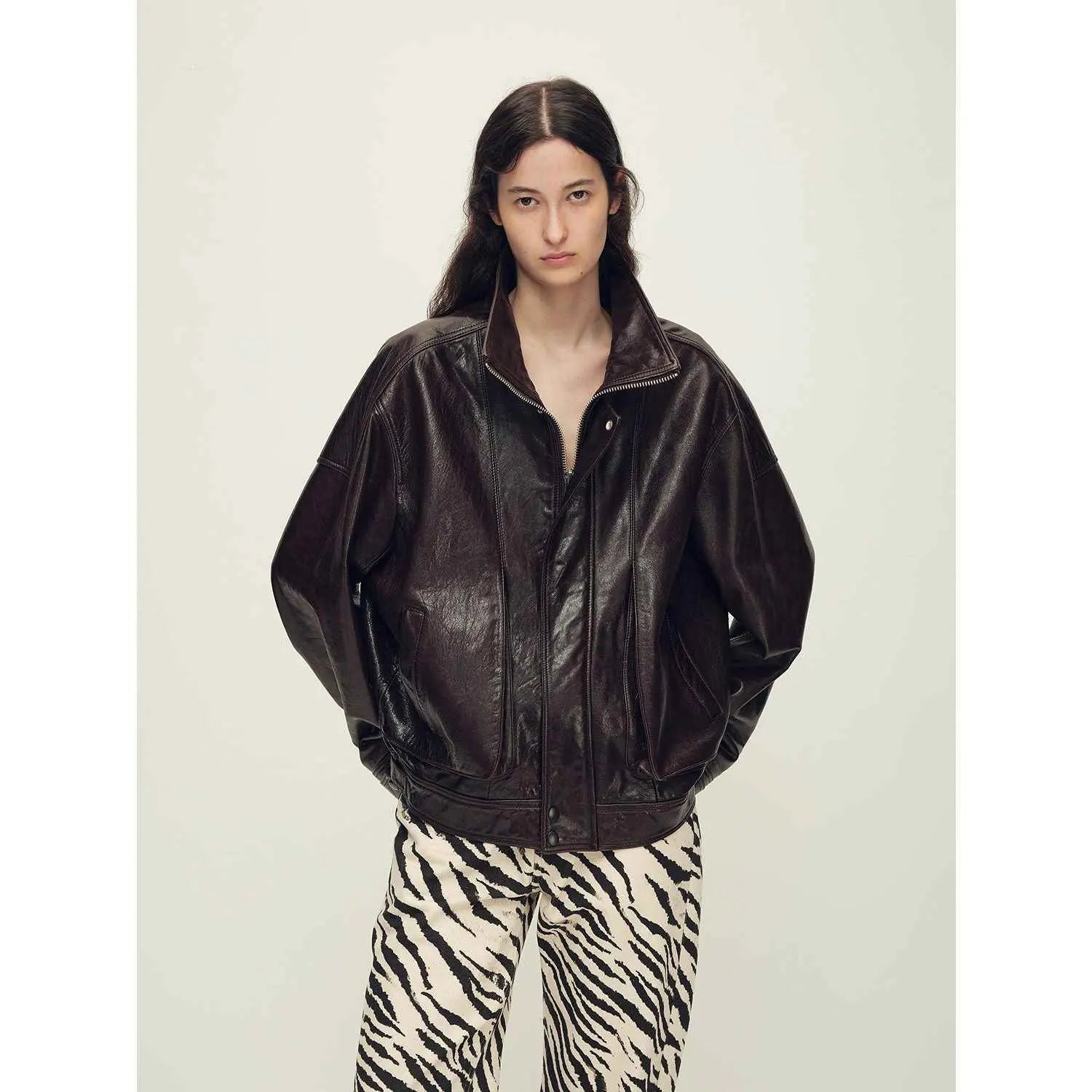
The safer inspection does not try to prove failure. It looks for enough evidence to avoid an overconfident listing.
Stiffness should be handled as a risk signal, not as a dramatic test.
Ask a Furrier About Wear and Transport
An older coat with stiff backing needs assessment before being described as ready to wear. Record stiffness alongside the other findings in the pre-listing fur coat inspection checklist. The fur coat resale value guide covers comparing an as-is sale with quoted repair costs.
If the coat has designer, family, material or sentimental value, compare the cost logic in when fur coat repair is worth it before deciding. Some coats deserve assessment; others do not have enough market value to support expensive work.
If the coat appears valuable, do the assessment before writing strong condition language. A furrier may confirm that repairs are possible, or may advise that the backing is too weak for normal wear.
A useful assessment request names the unresolved question: is the stiffness in the lining, construction or skin, and can the coat tolerate normal wear or transport? Send existing photographs of visible openings and describe the movement already noticed. You do not need to expose more backing or make a recording of the sound before asking.
Describe an Unassessed Project Accurately
How to describe it if you still list
Avoid: ready to wear, excellent vintage condition or just needs TLC when normal use is unassessed.
Illustrative wording: “Older fur coat with stiffness noticed during a necessary move; visible opening shown. Not professionally assessed by current seller and not represented as ready to wear. Offered as an unassessed restoration, display, costume or project piece.” Adapt only the facts that apply.
A project buyer may want the coat for restyling, display, costume, craft or parts. That buyer is not less serious. They simply need a different set of facts: hard areas, shedding level, odor, usable panels, lining condition and whether the coat can be handled safely.
A restyler, costume, display or craft buyer may be interested in a damaged coat, but do not declare panels or trim usable without assessment. Name any visible parts, label interest and historical appearance separately from unknown handling or repair feasibility.
State that professional assessment has not been obtained whenever that is true, regardless of the material, label or apparent value.
Keep the wording proportional to the evidence. Stiffness or an existing crackle can be reported as an observation; brittle backing requires an assessment basis. Describe visible damage without panic language or a home diagnosis.
Avoid ready to wear, excellent vintage, just needs cleaning or easy restoration when normal movement remains unassessed. Use plain observations, including stiffness already noticed or a visible split; do not turn those words into a diagnosis.
Resolve Packing and Late Findings Before Shipping
Older fur with hard backing should not be folded for shipping without thought. If the coat is brittle, folding can stress weak areas. That affects whether it should be shipped at all, how it should be packed, and whether the buyer should be warned. A project buyer may accept that. A ready-to-wear buyer will not.
Ask how a stiff coat can be supported and transported before agreeing to ship it; ordinary packing may put pressure on already weakened areas.
Hard leather can be discovered late, so list slowly. A seller may not notice stiffness until photos are done or until the coat is being packed. If that happens, pause. Do not publish or ship from the earlier impression. Update the category and wording first.
Late discovery is still discovery. The listing must follow the newest evidence.
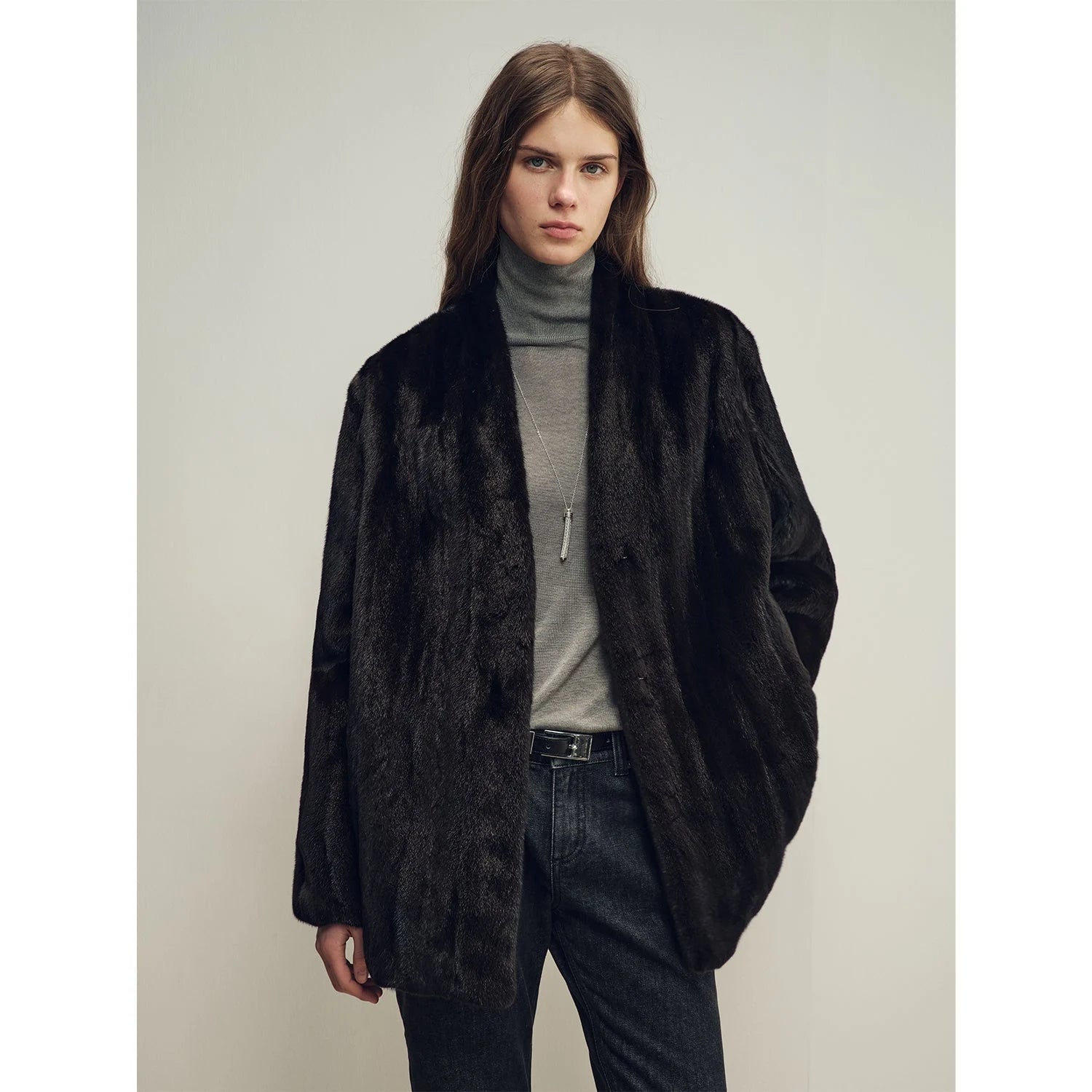
Keep the Observation and Next Action Together
Do not manufacture more evidence. A second bend, tug or sound recording can stress a suspect coat.
Ask which layer is affected. Lining, construction and skin are separate possibilities for a specialist to assess.
Do not claim usable project parts. A display or restoration offer still needs an honest description of unassessed areas.
Pause if a problem appears while packing. Update the listing and agree suitable support or transport before shipping.
When the backing feels hard, lower the promise before you lower the price
A low price does not fix an inaccurate condition promise. Change the listing category, wording and buyer expectation first.
Do not make brittle backing sound like structure
FireladyFur would separate tailored structure from dry resistance. A coat can be beautifully cut and still move softly; hard backing feels different because it resists the body and can fail under ordinary wear.
When an older coat feels stiff, the recommendation is to lower the wearable promise, not to decorate the wording. Observation-based language protects the seller, respects the buyer, and keeps non-wear value open for restoration, display or project use.
How can I tell if an old fur coat has hard leather?
Notice stiffness or visible splits during necessary handling; an unusual sound alone cannot diagnose the backing. Do not scrunch, tug or bend the coat to test it. Keep a suspect coat supported and ask a fur specialist to assess it.
Can hard leather in fur be repaired?
Sometimes a furrier can advise on limited repairs or restoration, but brittle backing can make repair impractical. Get a specialist opinion before promising wearable condition.
Can I sell a fur coat with hard backing?
You may be able to sell it as-is, for restoration, costume, display or project use. Do not describe it as ready to wear unless a specialist has assessed it.


