


Article Summary
Neither long fur coats nor short jackets universally find more buyers. Compare completed sales for the same material, label, condition, size range, country and period. Then show the back length, hem, sleeves and closed-front fit that distinguish your particular coat.
Use this comparison after material and condition are known. For all silhouettes, start with which fur coat silhouettes resell better.
Fuller coverage
Needs hem, back length, lining and storage proof.
Shorter hem
Needs waist stop, sleeve and closed-front proof.
Mid-length option
Needs side photos so it does not read as dated by accident.
Compare sales before declaring a winning length
There is no universal resale winner by length. Driving comfort and coverage explain why a buyer might prefer one coat; they do not establish which length sells faster. A well-priced long coat in good condition can sell before a short jacket with fit or condition problems.
For a useful comparison, search the same material, label, condition, size range, country and dates, then separate jackets from long coats. eBay Product Research includes sold prices, including accepted Best Offers, and location and date filters. Check the individual garments behind a result: a batch containing new jackets and worn vintage coats is not a fair length comparison. Record the number of close matches. One sale is a reference point, not a reliable ranking.
What Three Lots in One Auction Show
In DuMouchelles’ 19 June 2026 auction, three Black Diamond mink garments provide a small, concrete comparison. The catalogue records the following results. Prices are in US dollars and exclude the buyer’s premium.
| Garment and lot | Recorded result | Difference to keep in view |
|---|---|---|
| Jacobson’s long coat, lot 1360 | $500; 1 bid | 46.5-inch length below the collar; an 8-inch area of loose right lining was noted. |
| Dittrich jacket, lot 1365 | $900; 11 bids | 27-inch length, with a black fox collar; the auctioneer reported no damage. |
| Hudson’s short jacket, lot 1366 | $500; 7 bids | Double-breasted, four-button design; the auctioneer reported no damage. |
The shorter garments attracted more bids in this auction. That is an observation about these three lots, not proof of a larger buyer pool for every short jacket. One bidder can place several bids, so 11 bids must not be reported as 11 buyers. The long coat’s lining issue, the fox collar and differences in cut and fit also matter.
The long coat and one short jacket both closed at $500. More bidding activity did not automatically produce a higher price. This is why length works as a filter for finding comparable coats, rather than as a multiplier for the asking price. The records do not disclose the seller’s net payout or establish which shape sells faster in an ordinary private listing.
Long coats and jackets should be compared after material and condition are clear. If the coat has odor, shedding or hard backing, length is not the first problem.
Separate wearing use from resale demand
| Shape | Possible use to describe | Checks and photos before comparing price |
|---|---|---|
| Long fur coat | Fuller coverage, an evening or formal winter outing. | Back length, hem and lining edge, side scale, storage space and sitting clearance. More material does not prove a higher price. |
| Mid-length coat | Coverage without a floor-length hem. | Walking shape, shoulder line, closed-front view and actual back length; clarify the cut rather than calling it dated. |
| Short jacket | Dinner, pants outfits or car-to-door wear if the fit allows. | Waist stopping point, sleeves, shoulders and closed front. Less hem coverage is a separate question from warmth. |
| Fur-trim parka | A hooded or pocketed coat when those features are actually present. | Shell, hardware, hood, pockets and trim attachment. Do not compare its price as if it were a full-fur coat. |
A long fur coat asks for more from the next owner. It needs closet space, careful hem handling and enough clearance for the intended wearer; the measured back length matters more than assuming a tall buyer. Hem, lining, side-profile and back-length views let a buyer judge the actual shape. If the photos hide the lower half, buyers will worry about wear and scale.
Use full-length coverage when the question is buying value, and use the silhouette resale article when the shape may belong to a narrower vintage audience.
Put length and fit into the first photographs
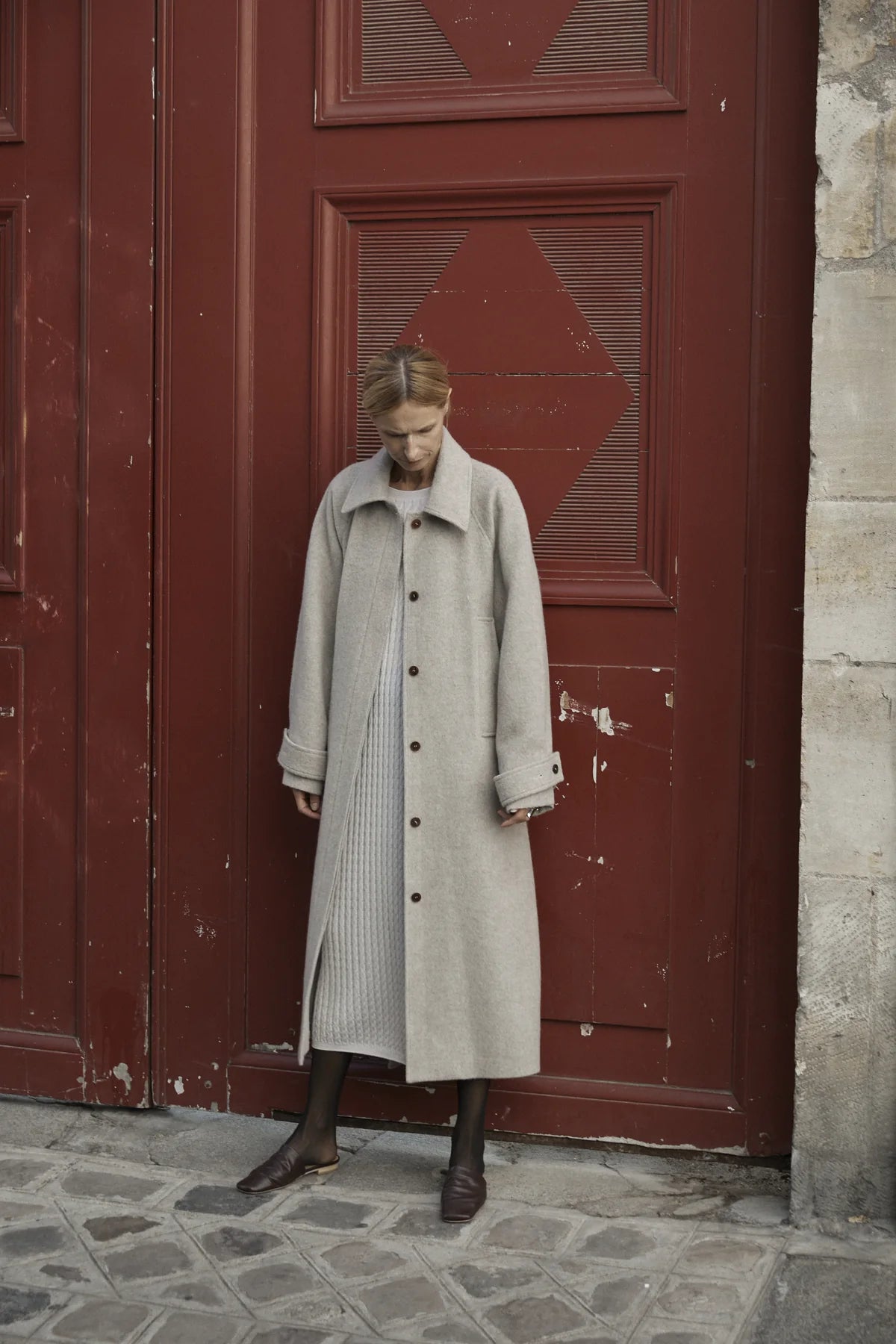
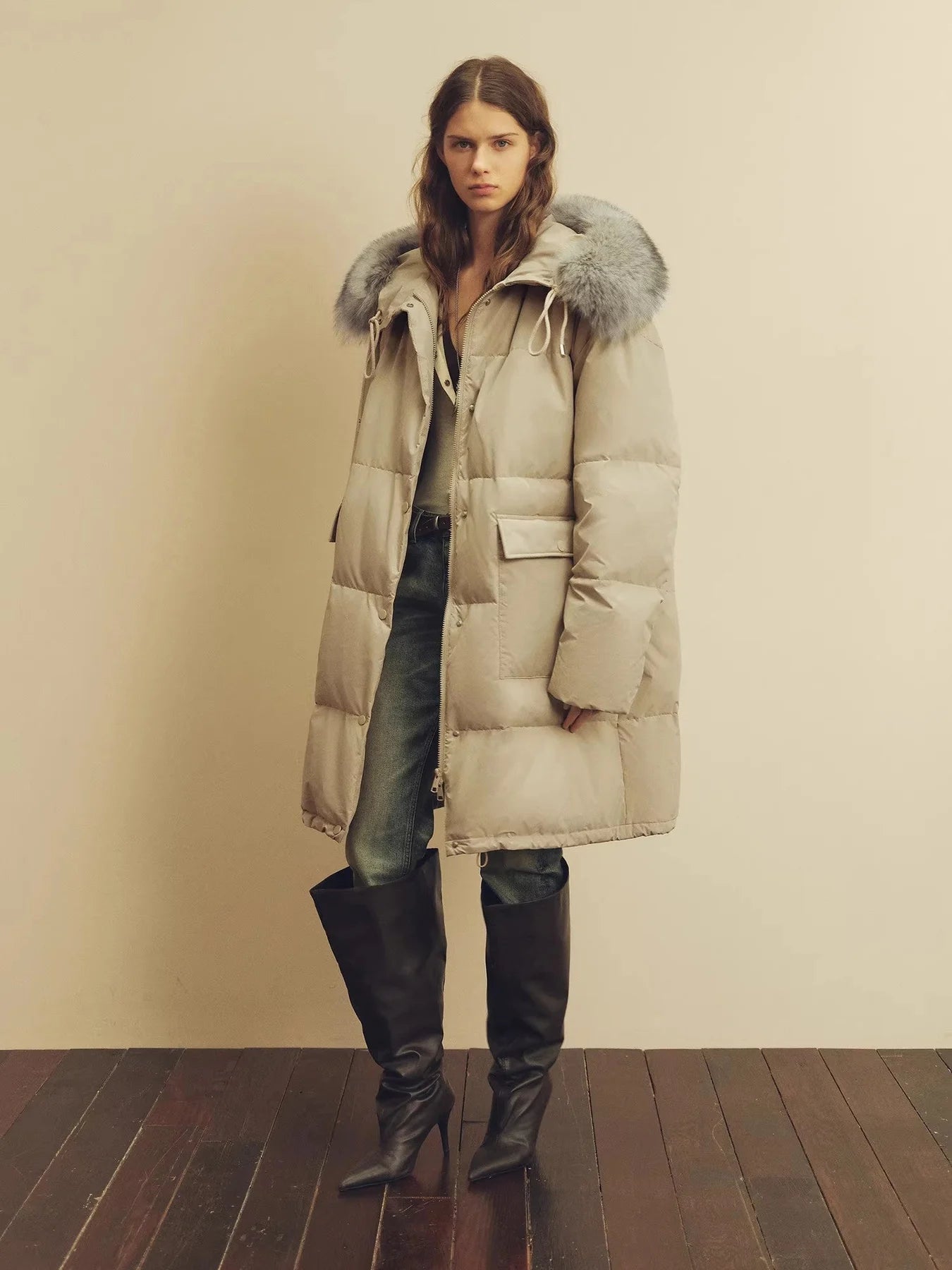
A short jacket still needs a clear stopping point and sleeve measurement. Show it closed without hiding the waist or cuff under accessories. A cut that looks complete on a hanger may sit differently on the intended wearer.
Pair length photos with the resale listing photo checklist. The photo order should answer the shape's biggest doubt early.
A length claim should be visible from the first scroll
The reader should not have to infer whether the coat is jacket length, stroller length, full length or hard to wear.
Show how the coat will be handled and delivered
A long hem or structured shoulder can make packing and scale harder to judge online. Supply measurements and photographs before arranging a local inspection. Only a coat already assessed as fit for wear should be tried on; do not use a fitting to test brittle backing.
Protect the hem, lining edge, shoulders and sleeves from excessive pressure in transit. Choose support for this garment’s condition and avoid packing it damp. Length alone does not establish fragility; existing weakness and the packing method need separate attention.
Use precise length and coverage wording
A short fur jacket may be easier to imagine in daily life, but it should not borrow the warmth claim of a long coat. If the jacket is best for car-to-door wear, dinner, city errands or mild winter days, say that. Clear use language protects the buyer from expecting full coverage.
Describe a long coat as full-length, formal or an evening piece when that matches its actual cut. Describe a jacket by back length, hem position and suitable use. Keep any warmth statement tied to construction, coverage and the intended outing.
For the wider value order, use the vintage value article. Length helps identify a close comparison; it does not set a resale price by itself.
Before length becomes the price argument
More coverage needs more proof. Long coats should show hem, lining, back length, side scale and storage implications.
Shorter length can suit driving and repeated wear. Show waist, sleeve and closure details so the buyer can judge that use; shorter length alone does not establish easier or faster resale.
The two shapes need different photos. A full-length coat cannot be proven with a jacket-style photo set, and a jacket cannot hide its stopping point.
Material amount is not the whole value. Demand, use, condition and buyer group decide whether length supports or limits resale.
FireladyFur's length-value standard
I would compare a long coat and a jacket using back length, closed-front fit and the intended outing. For resale, match completed sales before making a claim about demand. Coverage and appearance alone do not establish how quickly either coat will sell.
Use the Fur Coat Guide for broader coat ownership and the resale value guide for listing decisions.
A long hem needs a length measurement; a short coat needs a clear stopping point. Neither deserves a faster-sale claim from appearance alone. Read about FireladyFur and our editorial standards.
Let length choose the buyer claim
If you are choosing a replacement for yourself, compare FireladyFur outerwear by back length and closure as well as style. Current retail pieces can help you choose coverage; their prices are not resale comparables for your vintage coat.
Sell full length through coverage and formality when the proof is strong. Sell jackets through ease and repeat wear when the shape is clean. Do not make one shape borrow the other's claim.
Do long fur coats resell for more than jackets?
Not automatically. Length affects coverage and intended use, but a higher resale price needs support from comparable sales. Match material, condition, size, label, location and sale date before attributing a price difference to length.
What photos does a full-length fur coat listing need?
Show full front, back, side, hem, lining, closure and scale so the buyer can judge length, wear and height fit.
Are fur jackets always faster to sell?
No. A shorter coat may suit driving or limited closet space, but that does not establish faster sales. Compare completed sales for similar material, condition, size, price and market before treating length as a demand advantage.
Should I price by material amount?
No. Material amount matters only with condition, shape, demand, photos and buyer group. More fur does not always mean more offers.


