


Article Summary
Vintage fur fit needs labeled garment measurements and construction details, not a modern-size guess from the old tag. Compare the same tape routes on a winter coat that fits. Short sleeves, roomy cuts and closure faults need distinct descriptions; measurements alone cannot quantify resale demand.
A vintage size tag may exclude a buyer on paper even when the garment would suit them, or reassure someone whom it will not fit. Give interpretable garment measurements first. They let a person compare the coat with their own outerwear; they do not measure the total audience or predict the price.
- State the width with closures fastened naturally, rather than stretching the coat to meet.
- Name the sleeve construction and tape route.
- Give back length and lower width where they affect the cut.
- Describe known closure, lining or movement restrictions separately from the size label.
Measure the coat in the condition it will be sold
For a sound coat, use a clean, supported surface and a flexible tape. Lay the garment without pulling it flat under tension. Fasten only closures that meet naturally. If the coat is stiff, torn or difficult to support, ask a furrier how to proceed rather than stretching it to complete a measurement chart.
Measure the garment rather than treating it as a body-size chart. Include units and show the start and end points. Record whether the closure was fastened and whether the measurement is straight across or follows a particular edge. Use the same method again if a buyer needs a comparison; a differently routed number can look precise while answering a different question.
| Measurement | Route to name and photograph | Important qualification |
|---|---|---|
| Closed flat width | Straight across at the underarms with the coat naturally fastened where possible. | Exterior garment width is not body circumference or a guaranteed clothing-size conversion. |
| Shoulder width, set-in sleeve | Shoulder seam to shoulder seam across the back. | Describe structured or dropped placement; the seam location may not match a person's shoulder point. |
| Sleeve, set-in sleeve | Shoulder seam to cuff, with underarm to cuff as an additional named route. | The two measurements have different starting points and must remain separately labeled. |
| Sleeve, raglan or dolman cut | Center back neck to cuff over the top of the sleeve; underarm to cuff where an identifiable seam permits it. | Do not invent a normal shoulder seam or compare this directly with shoulder-seam-to-cuff. |
| Back length | Where the collar joins the back to the hem, or another explicitly named point. | The start point must be visible so a buyer can reproduce it. |
| Lower width or sweep | Name where the lower width was taken; distinguish a flat width from a full hem measurement. | A wide sweep does not establish room at the chest, upper arm or closures. |
For raglan and dropped shoulders, the missing conventional shoulder seam is part of the description. Schott's sizing page, for example, explicitly labels some sleeve measurements from the center back neck. It illustrates why the starting point matters; it is not a conversion chart for a vintage fur coat.
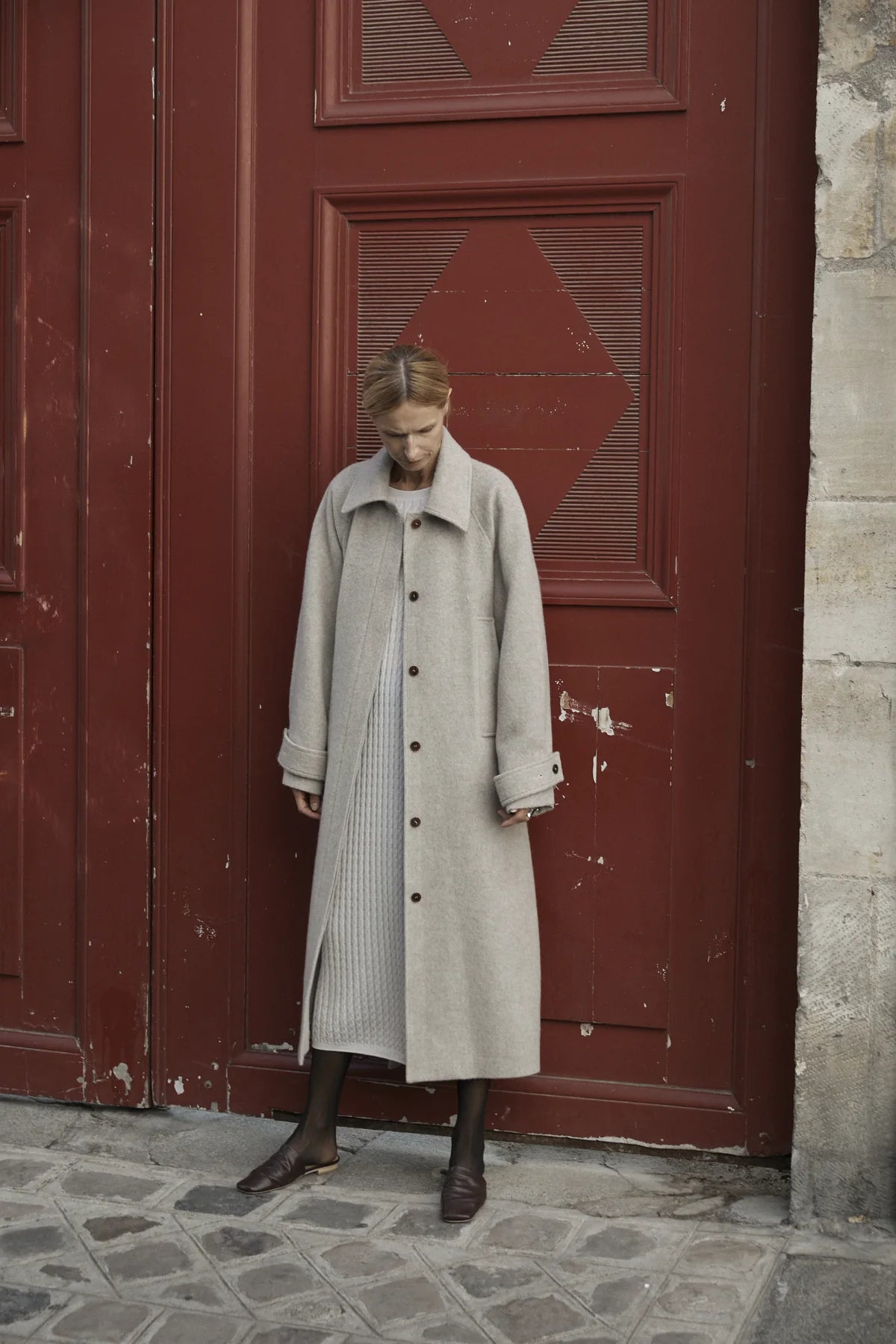
Keep collar height separate from the length if the route begins below it. Include a belt or detached hood in the sale description, but do not let a belt tied for the photograph stand in for the coat's closed width. If a hook is missing or the front cannot fasten, describe that and label any width as unfastened; a buyer must know what the number represents.
Do not force access to the inside to obtain a measurement. A restricted lining, weakened seam or stiff skin may limit what can safely be checked. State the unmeasured area and use available photographs until a specialist has assessed it. The missing number should remain an explicit limit rather than an estimate presented as exact.
Compare the same tape routes on a coat that fits
Ask the buyer to measure a winter coat they wear comfortably over the layers they intend to use. Compare equivalent start points, closure conditions and shapes. A flat width from an open swing coat and a closed fitted jacket are not interchangeable; neither is a sleeve measured from the neck and one measured from the shoulder seam.
Worked comparison: a raglan coat
Hypothetical seller measurements: closed flat underarm width 22 inches; center-back-neck to cuff 34 inches; back length 38 inches. The raglan construction is shown, and no conventional shoulder width is supplied.
Hypothetical buyer comparison: the buyer's comfortable winter coat measures 23 inches across when closed, 34 inches along the same sleeve route and 36 inches in back length.
The offered coat is one inch narrower across the exterior and two inches longer. The matching sleeve number answers only that route. It does not settle upper-arm room, lining restrictions, movement or comfort. The buyer should consider the cut and layers before treating the coats as equivalent.
Doubling a 22-inch flat width gives approximately 44 inches around the exterior at that level. It does not promise a fit for a 44-inch chest. Lining, fur bulk, garment construction and clothing occupy space, and the original tape route may differ from a body's circumference. There is no universal subtraction that turns every used fur coat into a reliable modern size.
A useful follow-up message is specific: “Please compare the closed underarm width and center-back-neck-to-cuff measurement with your own winter coat using the same routes. The coat is raglan and the photographs show the tape.” This is illustrative wording. Add any observed restriction or unassessed area rather than replying only that it “fits like a medium.”
If the buyer sends a shoulder-seam sleeve number for comparison with your raglan measurement, clarify the mismatch before discussing fit. If both garments have accessible identifiable underarm seams, that additional route may help. Do not invent a shoulder point on the raglan coat to produce a number that looks comparable.
Measurements reduce one kind of uncertainty. Remote comparison still cannot reproduce how a collar sits, whether the upper arm feels restricted or how the garment behaves when seated. Existing honest side photographs and construction details help. A safe local try-on may be useful for a sound garment when those questions remain important.
Separate a short sleeve from a fit problem
A bracelet-length sleeve, a cropped hem and a roomy swing body may be intentional features. A sleeve that has been shortened, a closure that cannot meet or a lining that pulls is a different condition or fit issue. State what is known and show the proportions instead of assigning every small coat a petite body type or calling every large coat oversized.
For an intentionally roomy coat, show where the shoulders or sleeve seams sit, the cuff position and full length. A generous body does not establish comfortable shoulder or armhole room. When the seller has already observed restricted movement, disclose it; the label oversized should not conceal that limitation.
A short sleeve may suit one buyer's styling preference and be unsuitable for another. Give its actual route and length without a demographic prediction. A long hem may work for a particular height or wardrobe but interfere with someone else's sitting or transport routine. Measurements and photographs answer those individual questions; they do not establish which group is larger.
Include the lining and closures in the fit description
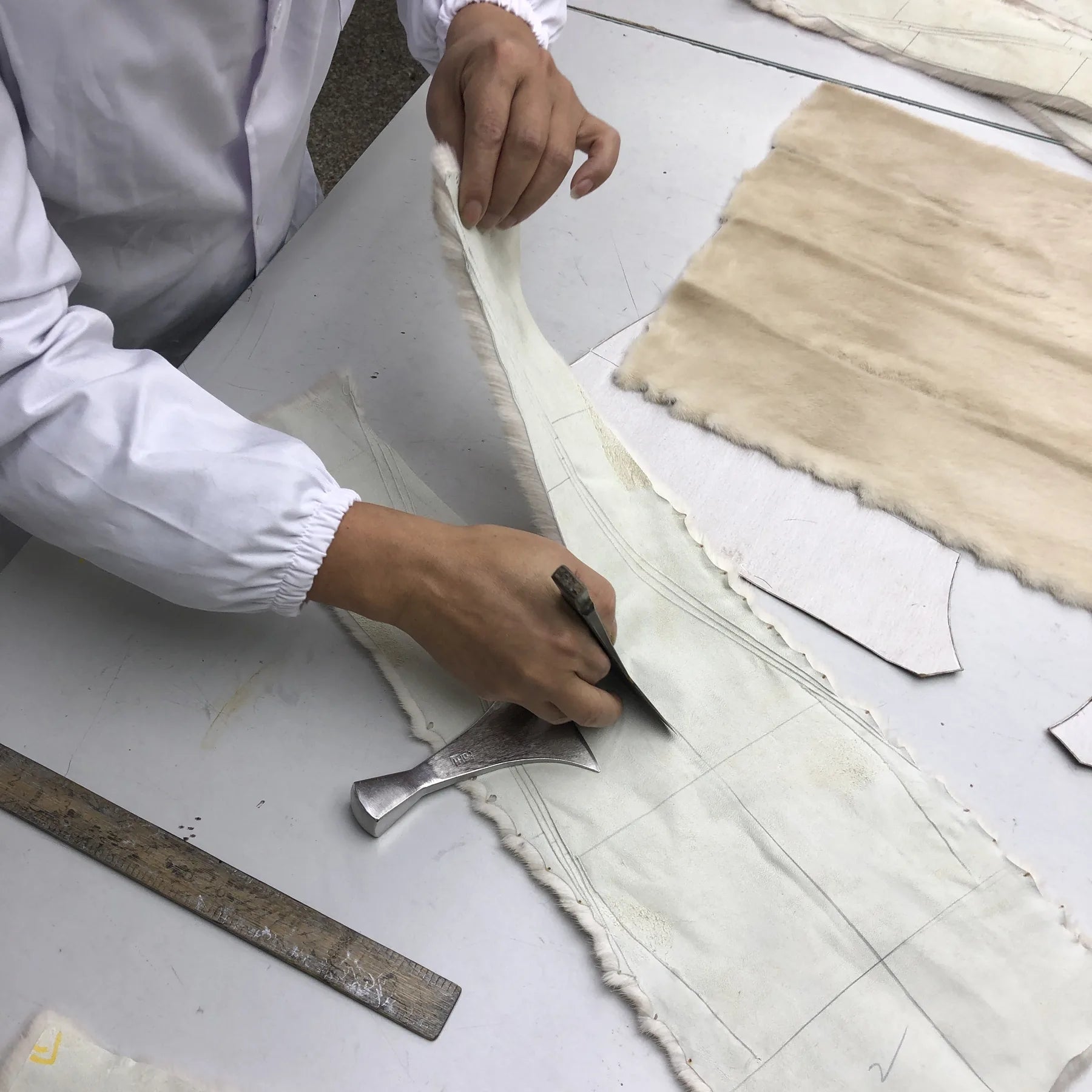
Lining tension, underarm damage, weak seams or a strained closure can restrict use even when the outside dimensions appear generous. Describe any concern already observed; do not force a movement test on a suspect coat.
This lining illustration is general context. Use an existing photograph of the actual defect when explaining it to a buyer.
For cut and length rather than tape method, fur coat silhouettes and long coat versus jacket resale cover the related comparisons. Neither establishes a higher resale price merely because a garment is short, long or roomy.
Use garment descriptions such as structured shoulder, bracelet sleeve, cropped length, roomy body or narrow closure when supported. Avoid declaring whom the coat must fit or making someone translate an old size label before seeing the measurements.
Ask a furrier before offering alteration as a fix
Fur alterations can be possible, but the proposed change and the garment's condition need assessment. Adding room may involve matching material and changing panels or lining; shortening a sleeve or hem is a different job. An ordinary cloth-coat alteration estimate should not stand in for an examination of the fur garment.
Henig's service FAQ describes size changes and makes restyling conditional on the fur being in good condition. That establishes a service a provider offers, not that your particular coat can be enlarged or reduced. Ask the furrier to inspect the skin, seams, lining and previous alterations before making that claim to a buyer.
A useful quote identifies the proposed work, the affected area, the expected new dimensions and any remaining limitation. Ask whether material must be added, whether the fur can be matched, whether the lining needs work and whether the result will change the original shape. State what the professional has actually agreed to do, not a general promise that “it can easily be tailored.”
When old skin is stiff or fragile, or a seam is weak, the first question is safe use and repair. Construction details matter alongside the dimensions. Leave an alteration unconfirmed until the examination answers those questions.
For a seller, a quote may help decide whether paying for work before resale makes sense. It does not prove that the altered coat will recover the cost or reach more buyers. For a buyer, an intended purchase should still be judged in its current size until the alteration has been assessed and agreed.
Make the fit description usable before choosing a channel
A factual title can name the shape without exaggerating the audience. “Vintage raglan fur coat, bracelet sleeves, measurements shown” gives a buyer a starting point when it accurately describes the garment. A size tag can appear as the label size, with the measurements taking precedence over any seller-made modern conversion.
Example: a complete fit paragraph
Illustrative wording: “Label size is shown in the photograph; no modern-size conversion is claimed. Measured with the hooks naturally fastened: underarm flat width 22 inches, center-back-neck to cuff 34 inches, back collar join to hem 38 inches. Raglan sleeves have no conventional shoulder seam. Compare the same routes on a winter coat that fits. Alteration has not been assessed.”
Add actual closure or lining defects immediately after that paragraph. Replace every example number with the garment's measured value.
Then choose a venue that can present the information the buyer needs. An online listing can include labeled tape photographs; a sound coat whose fit remains hard to judge may benefit from an agreed local try-on. A vintage specialist may understand the construction. These are options for resolving fit questions, not evidence that the coat must sell locally or has a measured smaller audience.
Repeated questions about one dimension should prompt a check of that specific photograph or explanation. Add the missing endpoint, closure condition or view. When the answer is already clear, respond to the individual's layering or fit question rather than assuming every inquiry is a failed sale.
Keep shipping and return terms visible and check the current venue's requirements directly. Returns cannot replace fit information, especially when repeated transport may be unsuitable for a delicate coat. If a buyer cannot establish a comfortable fit and alteration remains uncertain, declining the purchase is a reasonable outcome.
The vintage value guide covers condition and market context beyond size. The wider resale guide helps with the selling choice, while the Fur Coat Guide covers general garment selection. None should convert a tape measurement into a promise of price or selling speed.
What a buyer needs to judge the fit
Name every tape route. Closed width, sleeve endpoints, back length and lower width must be interpretable and photographed where safely possible.
Compare garments, not body-size guesses. Exterior width and center-back sleeves need like-for-like comparisons on a comfortable coat.
Describe the cut and any restriction. Intentional volume or bracelet sleeves are different from weak seams or a closure that cannot meet.
Leave alteration unconfirmed until assessed. A furrier needs to examine the proposed work and the garment; measurements do not prove repairability or a wider market.
FireladyFur's size-value standard
FireladyFur treats named garment measurements as part of an informed purchase. A sleeve number without its starting point and a vintage tag without fit details leave the buyer guessing. Describe the cut, closure condition and any unassessed area, then let the buyer compare equivalent measurements rather than promising a modern size or better resale result.
Give the buyer a measurement they can compare
Photograph the tape endpoints and describe the garment in its current condition. Use the silhouette and photo guides for questions about shape and presentation beyond the size label.
Can a small vintage fur coat still resell?
It may suit a buyer whose preferred garment measurements match it. Give the construction, actual measurements and condition rather than assuming a body type or a standard modern size. Those details do not quantify the audience or guarantee a sale.
What measurements should a fur coat listing include?
Give naturally closed flat underarm width, construction-appropriate shoulder and sleeve routes, back length and lower width or sweep where relevant. State units, endpoints, closure condition and any area that cannot safely be measured.
Should I claim that a vintage fur coat can be altered?
Only report alteration feasibility after a qualified furrier has assessed the proposed change and the garment. Ask what work, resulting dimensions and limits the quote covers; do not promise easy enlargement or reduction for an unexamined coat.
Does oversized fit help resale?
A roomy cut may suit a person who wants that shape, but it does not establish a better resale outcome. Show shoulder or sleeve construction, cuff position, closure room and full length, and disclose restrictions rather than using oversized to cover a poor fit.
Does a 22-inch flat width mean it fits a 44-inch chest?
No. Doubling the flat width approximates the exterior garment circumference at that level. Lining, fur bulk, cut and layers affect the usable room. Compare the same measurement on a winter coat that fits rather than treating it as body sizing.


