


Start where a shopper starts: the whole shape on a hanger, the areas hands touch first, the lining they cannot see in the lead photo, and the quiet signs that only appear when the coat moves.
For the full sell-or-pause decision, begin with the pre-listing inspection checklist. This page is the slower condition pass once the coat is already in front of you.
Give the coat ten quiet minutes before judging it
A coat that has been wedged in a closet, folded in a bag, or kept under a plastic cover can look worse than it is when it first comes out. Hang it on a broad hanger, smooth the shoulders with your hands, open the front, close the front, and let it relax in a cool room. That short pause separates storage pressure from actual damage.
Leave the comb, steam, scent and hard shake alone during the inspection. A resale check should show the coat after normal handling, not after a round of temporary staging. A garment that needs heavy help to look acceptable needs more careful wording than excellent condition.
The first pass is distance, not detail
Step back and check front, back, side, hem, shoulders and collar. Look for a dropped shoulder, uneven hem, collapsed sleeve, pulled lining, missing belt, weak closure line or color difference from one panel to another.
This pass prevents a common seller mistake: falling in love with the texture close-up while missing the body shape. A buyer may zoom into the lining later, but the first read is whether the coat still looks wearable.
Then inspect the zones a buyer touches first
Cuffs, front edge, pocket openings, collar and closure line tell the story of actual wear. These areas meet hands, bags, makeup, scarves, seat belts and doors. Light rub in those places can be normal. Darkened, sticky, bald, matted or split areas need clearer disclosure.
A sleeve fold or flattering angle should not be doing the disclosure work. If one zone looks tired, use the focused wear signs article to decide whether it is cosmetic wear or a trust problem.
| Zone | What to look for | Listing decision |
|---|---|---|
| Cuffs | Rub, thinning, staining, loose lining at sleeve end. | Photograph both cuffs. Mention if wear is even or heavier on one side. |
| Collar | Makeup marks, perfume odor, crushed pile, yellowing, matting. | Show close-up and say if odor or visible wear is present. |
| Pocket openings | Flattened fur, frayed lining, hand-wear shine. | Disclose because buyers use pockets immediately. |
| Closure line | Loose hooks, stretched loops, missing buttons, pulling. | Show open and closed. Secure is the wrong word if it catches or gaps. |
| Hem | Dragging wear, lining pull, bald edge, loose stitches. | Measure back length and show the entire bottom edge. |
The inside tells the buyer how carefully you looked
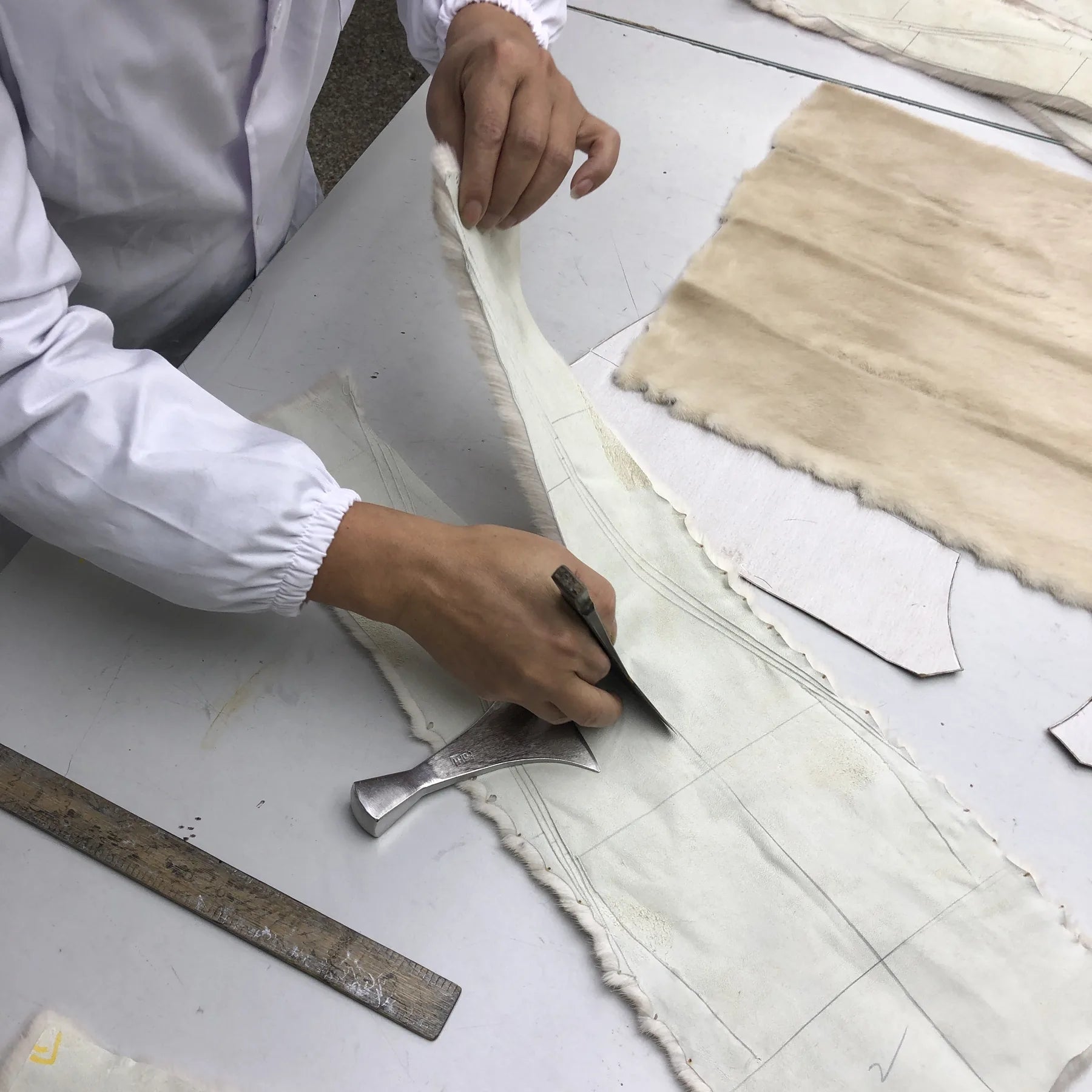
Open the coat and photograph the lining like it matters. Labels, pocket bags, hem seam, underarms and any monogram area should be visible enough that a buyer does not have to ask for proof.
A clean outside with no interior evidence still leaves buyer uncertainty.
Odor, dryness and shedding belong in the same inspection session
After the visible pass, step away for a few minutes and return to the room. Smell the collar and lining. Handle the sleeves gently over a dark cloth. Listen when the coat moves. A beautiful coat with strong odor, brittle backing or active shedding is no longer a simple condition listing.
When the invisible issue becomes the main concern, move to odor and dryness or shedding rather than burying it under a general condition paragraph.
A condition check is not an appraisal
Condition helps price, but it does not create the whole price. Brand, material, cut, size, season, channel and buyer pool still matter. If the finding changes whether the coat should be priced, repaired, or paused, read it inside the fur coat resale value guide before choosing a listing route. For the larger price picture, use how much can you sell a fur coat for after this check.
The condition check decides whether the listing can be trusted. The pricing article decides where that trust sits in the market.
Use a clean surface test without brushing away the story
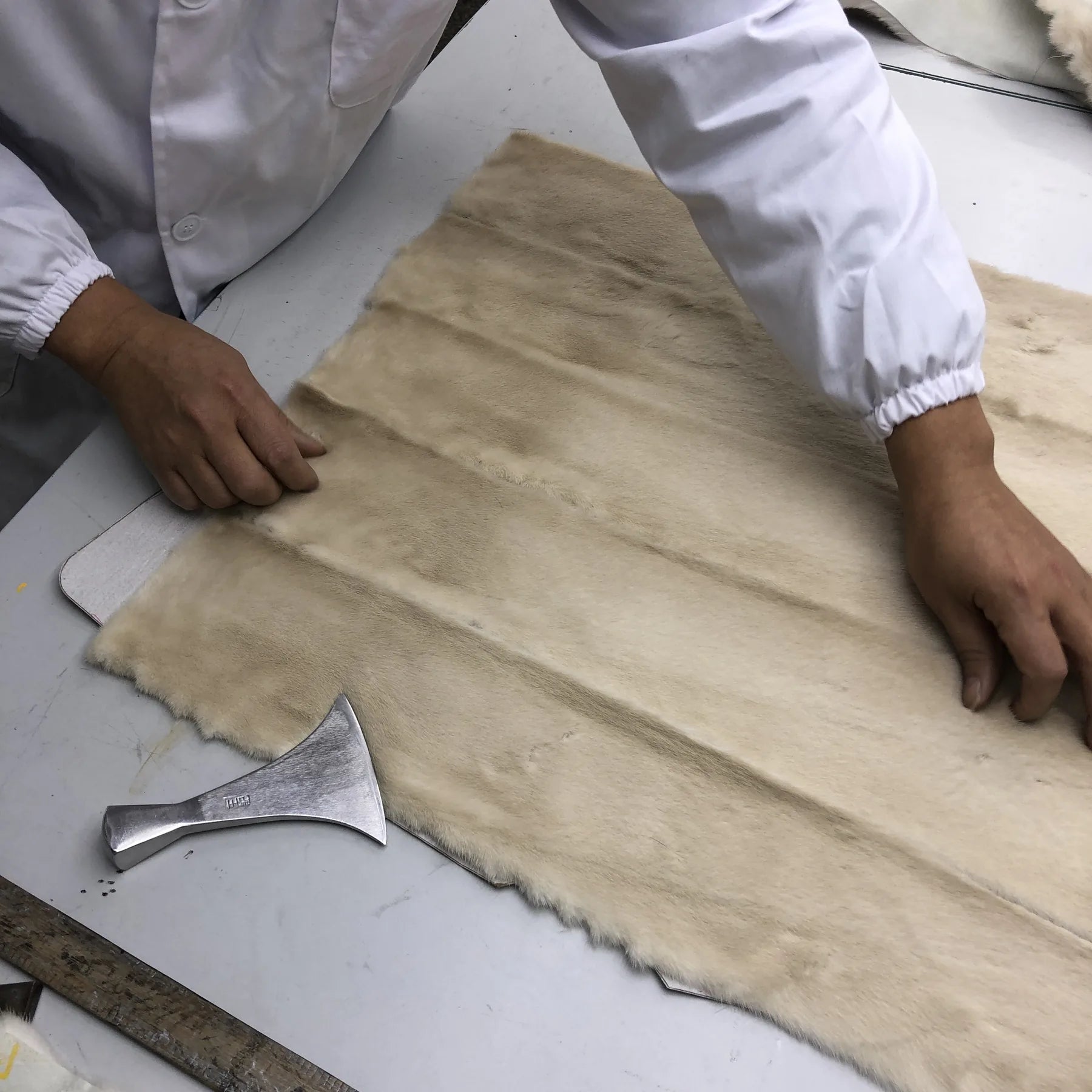
Lightly smooth the fur with the direction of the pile and then against it with a gentle hand. You are looking for movement, not forcing it. A healthy surface usually returns to shape. A tired surface may stay crushed, separate into clumps, or reveal thinner areas that were hidden when the coat hung untouched.
Photograph the same area from close range and mid-distance. A close-up can show texture. A mid-distance shot shows whether that texture looks even on the garment. Buyers need both because fur can look abstract when the camera is too close.
Check the coat as worn, not only as hung
When the size allows, put the coat on over a simple top and move as a wearer would: close it, lift an arm, sit briefly, reach toward a bag, and turn side-on. This is not a styling shoot. It is the moment a hanger problem becomes a wearing problem: pulling, gaping, stiffness, or a closure that looks fine until the body moves.
If the coat cannot be worn by the seller, use a mannequin or careful hanger photos and be honest about what was not tested. A buyer respects a seller who says not modeled by current owner more than one who guesses fit from a tag.
Once the broad condition check is done, narrow the question: which proof is still missing from the listing?
A second pass should focus on the places a buyer will question first.
Let condition findings point to the next question
If the coat has mostly surface wear, move to wear signs that lower buyer trust. If the gallery is weak, use the resale photo list. If the coat smells or feels dry, use odor and dryness. If the wording is the weak point, use condition-description examples.
That order keeps the work clean. The condition check names the issue. The narrower page helps decide whether the issue belongs in photos, wording, repair, as-is language, or price.
Material uncertainty should be disclosed before it becomes a buyer argument
If the label is missing or unclear, do not guess the fur type from memory. Say material not confirmed by current seller unless a label or professional opinion supports the claim. When the question moves from this coat's condition into material, category or ownership fit, the Fur Coat Guide is the better next reference. For the wider Firelady fur category context, use the Firelady Fur Guide.
Photograph the label, lining and surface. If the coat might be mink, fox, rabbit, beaver, sheared fur or faux, avoid turning uncertainty into a keyword. Unsupported material claims create more trouble than they solve.
Write down the questions a buyer would ask in the first message
Does it smell? Does it shed? What are the measurements? Are the closures working? Is the lining torn? Is there any baldness? Has it been cleaned? Was it stored professionally? Those questions should not be left for private messages when the answers are already knowable.
A condition check is finished only when those questions have been answered by photos, notes or an honest unknown.
Before the listing goes public
Three signs the inspection should pause. Pause when the coat makes a dry crackling sound, when odor suggests damp storage, or when hair releases from several areas during gentle handling. Those signs do not mean the coat has no value, but they mean the seller should stop using ordinary condition language.
At that point, the next step is risk triage, not another photo angle.
Condition notes should be taken in seller language first. Inspection notes should stay plain before they become polished copy. Use plain seller notes: left cuff darker, hook two loose, no obvious smoke smell, lining tear three inches, label visible, sleeve quiet when moved. These notes are easier to trust because they are close to observation.
Later, turn them into listing language. The inspection phase should not sound like marketing.
What to do when the coat is better than expected. Sometimes the check reveals a stronger coat than the seller expected: clean lining, soft movement, working closures, no concerning odor and only light wear. That evidence should not be undersold. Strong condition evidence should support stronger photos, clearer title language and a more confident selling channel.
The difference is that confidence comes from inspection, not hope.
What to do when the coat is worse than expected. If the inspection reveals odor, weak closure, lining damage or shedding, do not panic-price it immediately. Decide whether the issue is repairable, disclose-and-price, or as-is. The wrong quick discount can attract the wrong buyer and still create a dispute.
Change the promise first. Then choose the price.
Do not let sentimental value influence the condition grade. A coat can be meaningful and still need a cautious condition grade. Family history, original price, travel memories or a beautiful old label may explain why the seller cares, but they do not change odor, lining damage, hard backing or shedding.
Keep sentimental value in a short background sentence if it helps the listing. Keep condition grade in evidence.
A second look the next day often catches what excitement missed. If the coat seems valuable or emotionally loaded, inspect it once, take photos, then come back the next day before publishing. Sellers often miss odor, color unevenness, cuff wear or a weak closure when they are excited by the first photos.
A second look is not delay for its own sake. It is a cheap quality check before the listing becomes public.
Condition check output should be a yes, no or next-step decision. At the end, do not leave the coat in a vague maybe. Decide: ready to list, list with disclosed flaws, repair or assess first, sell as-is/project, or do not list. That decision gives the rest of the process direction.
A seller stuck between categories usually needs one missing piece of evidence: odor clarity, backing assessment, closure photo, measurement or repair estimate.
The strongest condition check creates a photo list automatically. If you have inspected correctly, you already know which photos to take: the zones where the coat is strongest and the zones where the buyer might worry. Do not let the photo session become a separate glamour task. It should be the visual record of the inspection.
Condition and photos are linked in this group. Inspection finds the proof; photos let the buyer see it.
The condition decision should be visible in the first paragraph. If the coat is ready to wear, say why. If it has disclosed flaws, name the main ones early. If it is as-is, put that category near the top. Buyers should not have to read the full listing to learn what kind of condition promise is being made.
Clear early framing makes the rest of the detail easier to understand.
How to handle a coat that passes condition but has weak sales evidence. Sometimes the coat itself looks strong, but the seller cannot prove enough: no label, uncertain material, no care history, no modeled photo, no date, no receipt and no prior cleaning information. That does not make the coat bad. It changes how confidently the listing can speak.
Use the visible facts first. Material not confirmed, label shown or missing, current condition photographed, measurements included, no known care records. Buyers can still respond to a coat that is honestly presented. They hesitate when the seller fills missing history with confident language.
What to recheck after taking photos. The photo session can expose issues the first inspection missed. A cuff may look darker on camera. A lining opening may appear larger. The closure may pull when the coat is hanging straight. Do not treat photos as a separate step after inspection; use them as a second inspection.
If a photo reveals a new issue, update the condition note before publishing. The newest evidence should always control the listing.
When the coat passes, build the listing around evidence
A good condition check should leave you with photos, measurements and exact notes. If it does not, the buyer will feel the gaps.
List the coat only after the condition story is clear
A fur coat can have age and still deserve a strong listing. What it cannot have is a missing condition story.
Do not turn one clean angle into a condition claim
For this kind of resale check, FireladyFur would slow the seller down before any price language. A coat should earn its description through full shape, hand-touch zones, lining, closure, odor, movement and measurements, not through the best front photo alone.
When the evidence is incomplete, the better recommendation is not a bigger adjective. It is a smaller promise: show what is known, name what is unknown, and let the buyer see why the coat is being offered as wearable, repairable, or as-is.
Should I clean a fur coat before checking resale condition?
Do the condition check first. If odor, stains, dryness or shedding appear, a furrier can advise whether cleaning or repair is worthwhile before listing.
Can I inspect an old fur coat at home?
You can inspect visible condition, odor, lining, closures and light handling at home. Avoid tugging or scrunching old fur; brittle backing needs a specialist.
What is the most important condition area for resale?
The areas buyers trust least when unseen are cuffs, collar, lining, closures, odor and any flaw near seams or dry-feeling leather.


