


A resale buyer reads the gallery before trusting the description. The lead photo can make the coat desirable; the lining, cuffs, label, measurements and flaw close-ups decide whether the listing feels safe.
Marketplace guidance is useful for the proof standard, not the voice. For fur, the photo set has to translate touch, age and storage history before the buyer ever writes a message. When photos start affecting channel, price or whether a coat should be listed at all, use the fur coat resale value guide as the broader resale frame.
The main photo should sell the coat; the rest should protect the sale
The lead image should be a clean full-front view: closed, uncropped, in daylight or neutral light, without a busy background. That picture earns attention in search results, but it is only the invitation.
After that, stop trying to make every photo flattering. The supporting photos have a different job: show the buyer what the coat actually is. Full back, side, open front, lining, collar, cuffs, closures, label, measurements and flaws belong in the set even when they are less pretty.
| Buyer question | Photo to include | What not to do |
|---|---|---|
| How long is it? | Full front and back, plus tape measure from back neck to hem. | Only list a size without length. |
| Does it close? | Close-up of hooks, eyes, buttons, zipper or ties, plus full closed front. | Show the coat open only. |
| Is the lining clean? | Full lining, label, pockets, hem and underarm lining. | Show one decorative label crop. |
| Where is the wear? | Cuffs, collar, pockets, hem and flaw close-ups in daylight. | Call wear minor without photos. |
| What is the texture like? | Surface close-up plus mid-distance photo. | Use only a filtered texture shot. |
| Will it fit? | Shoulders, bust/chest across, sleeve, length and sweep measurements. | Rely on vintage size tags. |
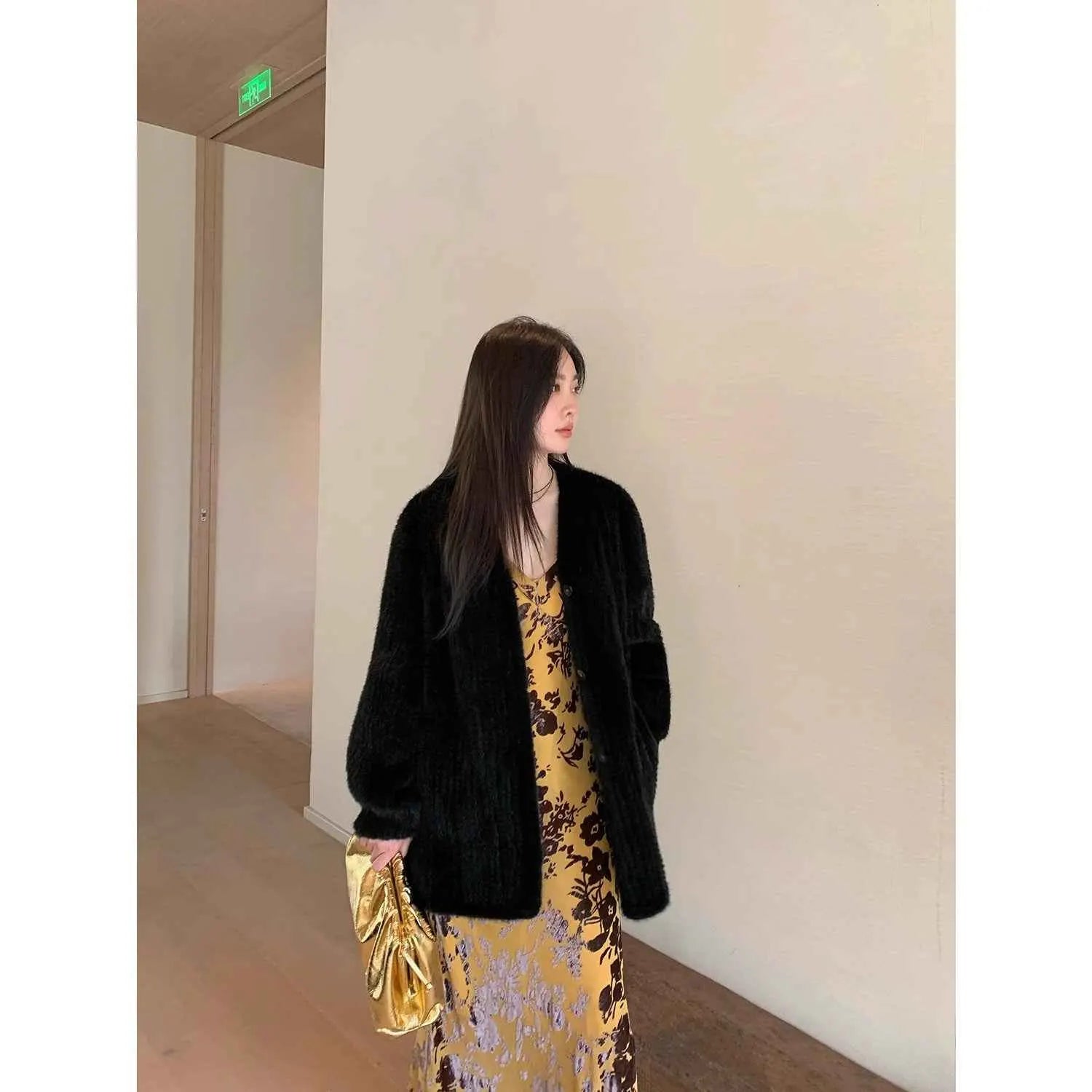
Photograph flaws as if the buyer already knows they exist
Flaw photos should not be dramatic, but they should be easy to understand. Put the flaw in the center of the frame, use daylight, pull the sleeve or lining flat when possible, and include one nearby context shot so the buyer knows where the flaw sits on the garment.
A close-up of an opening is useful. A close-up plus a wider shot of the right pocket area is better. Fur can turn into an abstract texture when photographed too close; context keeps the flaw from looking worse or smaller than it is.
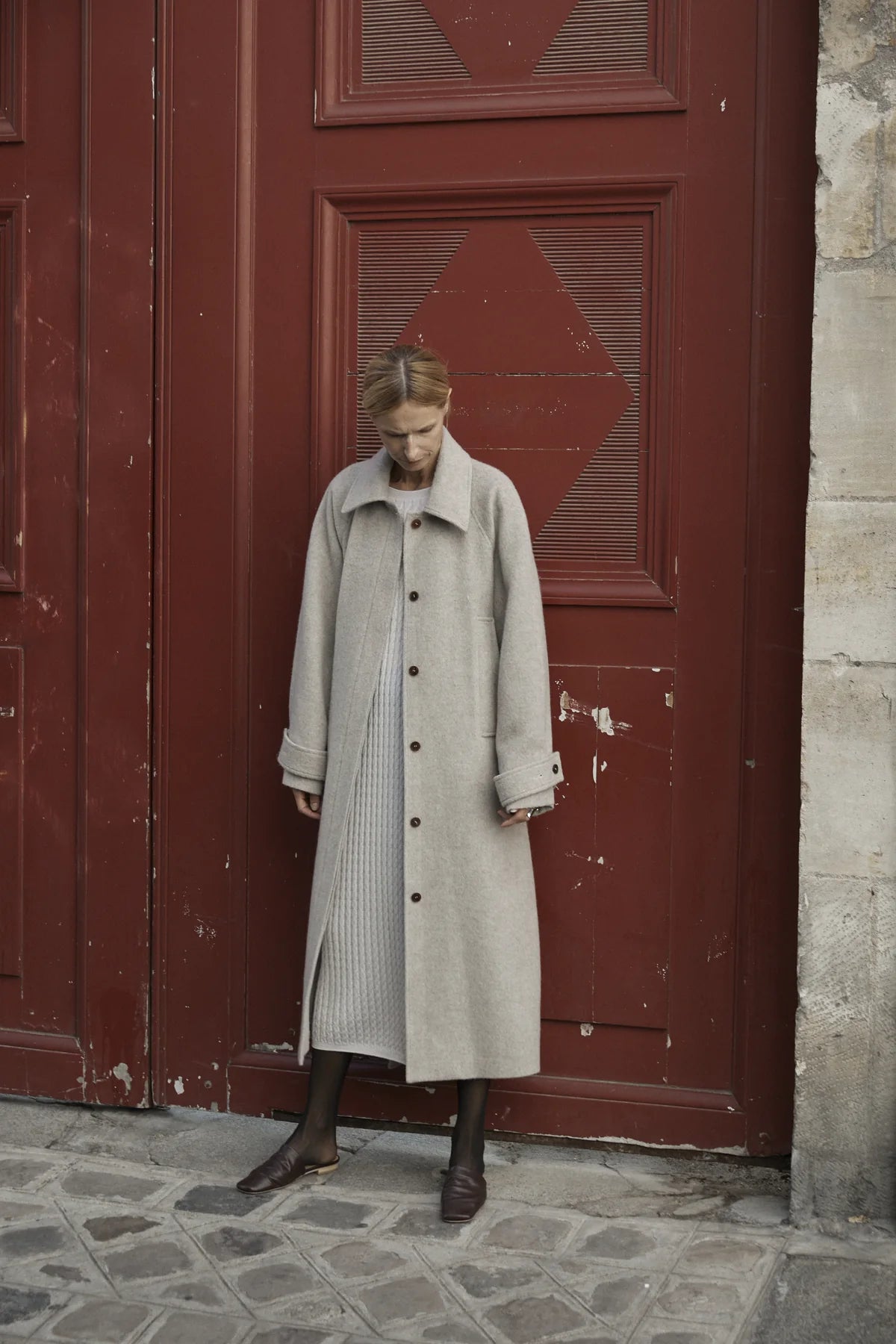
Measurements are photos, not just text
A written measurement is helpful, but a tape-measure photo reduces doubt on vintage sizing. Photograph shoulder width, bust or chest across, sleeve length and back length clearly enough to read.
Measurement photos reduce a different kind of return risk.
Video helps only when it proves something
When the platform allows video, make it prove something: open and close the coat, turn the hanger, lift a sleeve gently, show the lining, and pause on any flaw. A mood clip may look polished, but it rarely answers the buyer's condition question. A buyer of pre-owned fur wants evidence.
Video can also show whether the surface has life or whether the coat moves stiffly. Keep the motion slow. Fast camera movement hides more than it reveals.
A high-trust fur listing photo set
Front closed, front open, back, side, collar, both cuffs, closure hardware, label, full lining, pockets, hem, measurement photos, flaw close-ups, surface close-up and one worn or mannequin photo when available.
After the photo set is ready, use condition description wording so the text points to visible proof.
Set up one boring photo area before taking any glamour shots
Use a plain wall, broad hanger, daylight, and enough space to show the whole coat. The background should disappear. If you have not checked the coat before shooting, start with the pre-listing fur coat inspection checklist so the gallery follows the condition story instead of random angles.
Take the evidence photos first. After the condition set is complete, you can add one styled or worn image if it helps the buyer understand scale. The styled image should be extra context, never the only clear view.
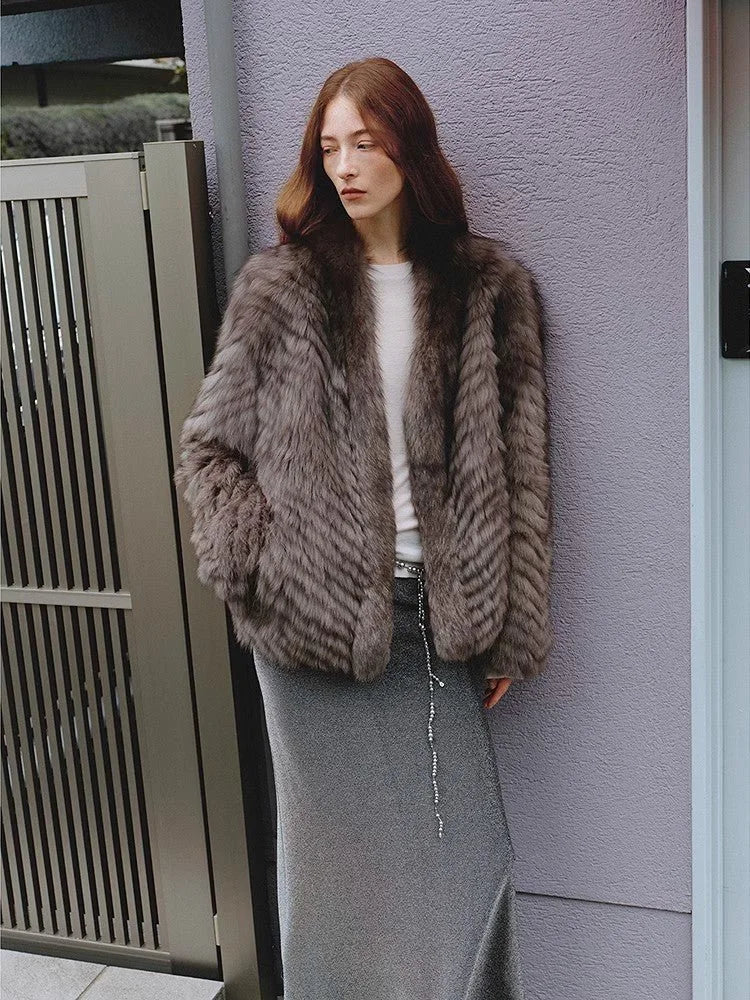
A photo set should make the buyer feel less dependent on the seller's adjectives.
A good resale gallery shows both appeal and the proof behind the promise.
Photograph the label without pretending it proves everything
A label can support material, maker, size or vintage interest, but it does not prove current condition. Show the label clearly, then show the rest of the coat. Buyers care about label evidence and condition evidence at the same time.
If the label is missing, say so. A missing label is not automatically fatal, but it changes how confidently you can state material or origin. For broader material and ownership context, use the Fur Coat Guide; for the wider Firelady fur category, use the Firelady Fur Guide.
Use flaw photos with one close-up and one locator shot
For every important flaw, take a close-up and a wider locator photo. The close-up shows severity. The locator shows where the flaw sits. Without the locator, a tiny lining opening can look enormous or a serious cuff issue can look abstract.
Keep your finger, ruler or pointer out of the frame unless it helps scale and does not hide the flaw. A tape measure is useful for size; a finger over a tear is not.
Filters can change the buyer's color expectation
Warm filters make brown, black, cream and grey fur look richer. They also create color disappointment. Use natural daylight and one indoor shot if the coat looks meaningfully different inside.
If the color shifts with light, say that. A buyer is more comfortable with color movement than with a surprise.
Order the gallery like a buyer inspection
Open with full front, full back and side. Then open front and lining. Then closures, cuffs, collar, pockets, hem and measurements. Then flaws. That order feels natural because it follows how a buyer would inspect the coat in person.
If the first five photos are all the same front angle, the buyer learns very little. Repeated glamour views create suspicion on pre-owned fur.
Small photo choices that change buyer confidence
Mobile buyers need readable evidence. Most buyers will first see the listing on a phone. A dark cuff close-up or blurry label may look acceptable on a large monitor and useless on a small screen. Check the gallery on your phone before publishing.
If the measurement tape cannot be read on mobile, retake it. If the lining flaw disappears into shadow, retake it. The buyer will not zoom forever.
Do not crop the areas buyers distrust most. Cropped sleeves, missing hem, hidden underarms, no back view and no open-front shot are common warning signs. A seller may have cropped for composition, but a buyer reads the crop as missing evidence.
Give the coat enough space in the frame. A full photo with a little boring wall is better than a dramatic crop that removes the problem zones.
The flaw photo should be as well lit as the hero photo. Do not make the lead image bright and the flaw image dark. Buyers notice the shift. It suggests the seller wanted attention for beauty and shadows for risk. Use the same careful lighting for the cuff rub, lining opening or closure issue.
A clearly lit flaw often looks less alarming than a shadowy one because the buyer can judge it.
Use scale for flaws that can be misunderstood. A lining opening, rubbed patch or missing button area can look larger or smaller than reality. A ruler or nearby seam can provide scale when it does not hide the flaw. Scale matters most for lining tears, bald spots, stains and missing hardware.
Do not use scale theatrically. Use it to reduce guessing.
Retake any photo that needs an explanation to understand. If you have to write a long sentence to explain what a photo shows, the photo is probably weak. Retake it wider, brighter or from a steadier angle. A buyer should be able to connect photo and note quickly.
Clear photos save copy from becoming defensive.
A photo set should survive buyer zooming. Buyers zoom into fur because texture hides evidence at normal distance. Upload images large and sharp enough that cuffs, lining and labels remain readable. A soft-focus gallery may look elegant but weakens trust.
Use cleaner originals when the platform compresses images. Do not rely on the platform to rescue dark or blurry evidence.
Use a consistent hanger or model setup. Switching between a thin hanger, broad hanger, bed photo and cropped mirror can make the coat look like four different garments. Consistency helps the buyer judge shape. Use one main setup, then add close-ups.
If you add a worn photo, keep it honest and uncropped. It should show scale, not hide condition.
Show the coat open even if closed is prettier. Closed photos usually look cleaner. Open photos prove lining, label, construction and how the coat hangs without closure support. A buyer of used fur wants both.
If the coat looks bad open, that is information. It may indicate lining pull, shape issue or closure dependency.
Photo evidence should match the written condition grade. If the text says excellent, the photos should show why. If the photos show flaws, the condition grade should acknowledge them. The buyer will compare both, even subconsciously.
When photo and text disagree, the buyer believes the worse signal.
Keep one honest beauty image. A condition listing does not need to look clinical. Keep one strong beauty image that shows why the coat is worth considering. Then let the remaining gallery do the evidence work.
The best resale gallery has both desire and proof.
Use a separate flaw gallery mindset. When it helps organization, shoot the beauty gallery first; then shoot the flaw gallery with a different mindset. The flaw gallery should answer where, how much, and whether it affects use. It is not there to punish the coat. It is there to prevent surprise.
A seller who can show flaws calmly usually sounds more trustworthy than one who hides them and overuses condition adjectives.
Photograph odor-adjacent zones even though odor is invisible. Odor cannot be photographed, but the zones that hold odor can be shown: collar, lining, underarms, pockets and storage folds. If the listing says light storage odor, those areas should not be absent from the gallery.
The photo does not prove smell. It proves that the seller looked where smell usually lives.
When photos show risk, do not bury the risk
A weak photo set creates more messages. A strong photo set can still sell a flawed coat because the buyer understands the tradeoff.
Make the listing easy to trust from the thumbnail to the last close-up
Lead with the coat's best full view, then use the rest of the gallery to answer the questions that make buyers hesitate.
Photograph the coat like a buyer is already cautious
FireladyFur would let one image make the coat attractive, then use the rest of the gallery to remove doubt. Fur resale photos should show the parts a buyer cannot feel online: lining, closures, cuffs, collar, hem, label, measurements and any visible flaw.
That does not make the listing less premium. It makes the offer easier to trust. The strongest photo set lets the buyer admire the coat and inspect it without sending a separate message.
How many photos do I need to sell a fur coat online?
Use enough photos to show the full coat, interior, condition zones, measurements and flaws. For most resale listings, fewer than eight photos leaves important questions unanswered.
Should I photograph flaws on a fur coat?
Yes. Clear flaw photos set buyer expectations and make the seller look more trustworthy. Hiding flaws usually creates more return risk.
Should the main photo show the coat open or closed?
Use a full closed front as the main image when the closure works. Add open-front photos later to show lining, label and interior condition.


