


A few loose hairs are not the same as a coat that keeps releasing fur. The listing problem begins when shedding makes the buyer wonder what age, storage or backing issue is hiding underneath.
Check this before brushing, shaking or packing the coat. The amount, location and handling context matter more than the word shedding by itself.
Separate loose hairs from active shedding
Lay a clean dark cloth or sheet under the coat and handle the sleeves, collar and hem gently. A few loose hairs after storage can be normal. A steady release from several zones, hair coming out with flakes, or shedding that worsens when one area is touched tells a different story.
Aggressive brushing may make the photo cleaner while hiding the very evidence the listing needs. When shedding is noticeable enough to worry you during inspection, it may be noticeable to the buyer during unpacking.
| What happens | Likely listing meaning | Seller response |
|---|---|---|
| A few hairs after moving the coat | Usually manageable if other condition is strong. | Mention only if noticeable and keep photos honest. |
| Hair releases from one rubbed cuff | Local wear or abrasion. | Photograph cuff and describe the zone. |
| Hair releases from several areas | Condition risk. | Avoid excellent condition; consider specialist opinion. |
| Shedding with crackling or stiffness | Possible dry backing problem. | Do not list as ready-to-wear without caution. |
| Shedding with odor or damp history | Storage damage concern. | Use as-is or assessment path. |
Where shedding happens matters
Shedding at a high-friction edge can be easier to understand than shedding through the body. A worn cuff tells a use story. Hair release from the back panel, shoulder seams, underarms and hem may suggest a broader condition issue. When shedding is only one signal among several, return to the pre-listing fur coat inspection checklist; when it changes buyer category or sale price, use the fur coat resale value guide.
When shedding appears with stiffness, compare it with hard leather in older fur. When it appears with odor, use odor and dryness before writing the listing.
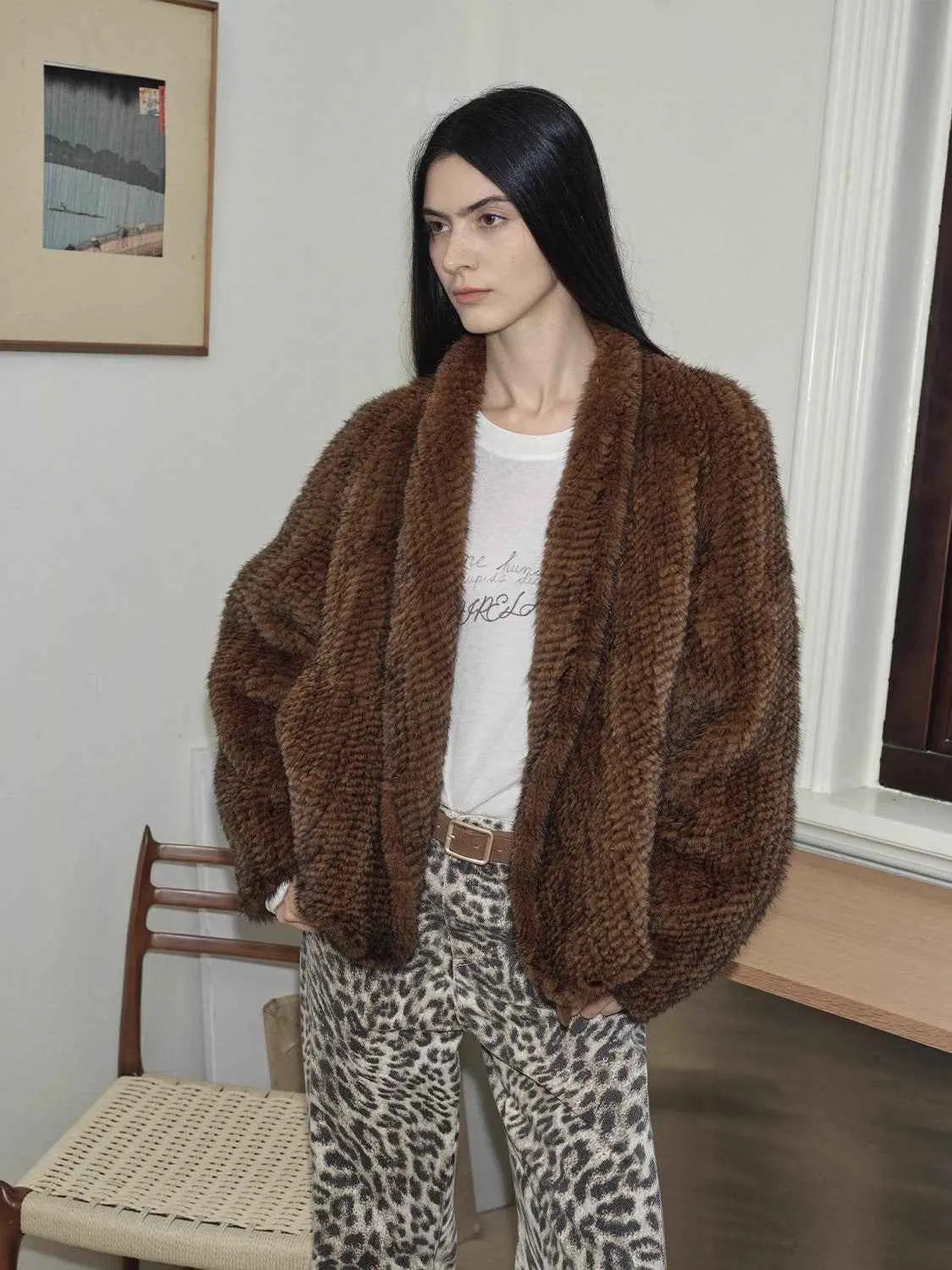
A buyer will notice shedding in the box
Loose hair on tissue, lining or the garment itself can make a buyer question every condition claim. If shedding is present, mention the level and location instead of hoping shipping hides it.
A buyer needs to know whether shedding is incidental or active.
Better shedding disclosure
Light loose hairs noticed after storage, mostly near cuffs; no bald patches seen. Or: moderate shedding from several areas during handling; sold as-is for restoration or project use.
Those two sentences describe different coats. Do not make them sound the same.

Check after stillness and after light movement
Look at the coat before you move it, then again after gentle handling. If hair is already scattered on the lining, hanger, floor or storage cover before movement, note that. If hair appears only after a sleeve rub, note the location and level.
This two-step check helps distinguish storage debris from ongoing release.
Aggressive cleanup can hide the shedding problem
A quick surface cleanup may be reasonable for presentation, but aggressive vacuuming or sticky rolling can pull at fragile fur and hide a condition issue from your own judgment. If the coat is shedding, learn why before cleaning the evidence away.
For photos, the coat should look presentable, but the listing should still say if shedding was observed.
Shedding changes packing and shipping expectations
A coat with light loose hairs may arrive with some hair in the tissue or box. A buyer who was warned is less likely to panic. A buyer who was not warned may see the same hair as proof the listing was inaccurate.
If shedding is moderate or active, do not rely on careful packing to solve it. The condition note has to lead.
When shedding should move the coat to as-is
Move away from wearable-condition language when shedding is active across several areas, paired with hard backing, paired with odor, creating bald spots, or appearing around seam splits. The coat may still have value, but not under the same promise.
Use as-is wording examples so the buyer understands the category before making an offer.

Shedding language should describe degree, location and what happened during normal handling.
The shipping moment can make a shedding issue feel larger than the listing suggested.
Different fur types make shedding look different
Long-hair fur can make a small amount of loose hair look dramatic because each hair is visible. Smooth mink may make shedding look subtle until the buyer sees hair on lining or clothing. For broader material behavior, use the Fur Coat Guide; if the decision moves beyond coats into the wider Firelady fur category, use the Firelady Fur Guide.
Do not rely only on how much hair looks like in your hand. Also inspect where it came from.
A shedding note should name location and handling level
Light loose hairs after storage is different from shedding during gentle sleeve handling. Shedding near cuffs is different from shedding through the back panel. A useful note names location and what caused the observation.
Example: light loose hairs noticed after storage, mostly around hem. Or: shedding from multiple panels during gentle handling.
Turn loose hair into a clear condition note
Do not promise shedding will stop after cleaning. Cleaning may help some surface issues, but shedding can come from age, backing condition, storage, wear or damage. Unless a specialist has confirmed the cause, do not promise that cleaning will solve it.
Condition honesty is stronger than hopeful care advice.
The buyer's clothing test matters. A buyer may try the coat over black clothing or a knit and immediately see loose hairs. If you noticed the same thing during inspection, disclose it. A little hair may be acceptable, but a surprise on clothing changes the buyer's mood.
Testing over dark fabric gives the seller a realistic preview.
Shedding near repairs deserves more caution. If hair releases near an old repair, patch, seam opening or lining tear, the issue may involve backing stress rather than surface loose hairs. Photograph the area and avoid calling the shedding normal.
Repairs and shedding together deserve more careful wording than shedding alone.
The best shedding note does not overexplain. A concise note works best: light loose hairs after storage, mostly at hem. Or: active shedding during gentle handling from several areas; sold as-is. The buyer does not need a theory unless a professional has provided one.
Observation is enough when it is specific.
A shipping box can make shedding look worse. Loose hairs that might disappear in a closet can collect on tissue and lining during shipping. The buyer opens the box and sees the evidence all at once. If you noticed shedding, prepare the buyer in the note.
Surprise makes moderate issues feel severe.
Photograph bald or thin areas before discussing shedding. If shedding has already created thinning or baldness, the photo matters more than the theory. Show the area in daylight and describe what you see. A buyer can evaluate a visible thin patch better than a vague shedding warning.
Do not hide a bald area under pile direction.
If shedding is the only issue, keep the note proportional. A few loose hairs after storage should not be written like structural failure. Say light loose hairs observed after storage. That is enough when the rest of the coat is strong.
Accuracy cuts both ways: do not understate serious shedding, and do not overstate harmless loose hair.
Shedding language should be updated after final handling. Check shedding once during inspection and once after the photo session. If more hair appears after normal handling, update the listing. The photo process itself can reveal how the coat will behave when a buyer unpacks it.
The latest observation should be the one reflected in the note.
When shedding is absent, do not overclaim. If you did not notice shedding during gentle handling, say no active shedding noticed by current seller. That is stronger and safer than does not shed. It describes the inspection without promising every future movement.
Careful wording protects honest sellers.
How to retest shedding without overhandling. Use one clean dark cloth and gentle movement at the sleeve, hem and collar. Do not keep repeating the test until the coat looks worse. You only need enough evidence to describe what happened during normal handling.
If the first test shows active shedding, stop and change the listing category or wording.
Shedding and thinning should be described separately. Shedding is hair release. Thinning is visible loss of density. A coat can shed lightly with no visible thinning, or it can have thin zones even if it is not actively shedding during your check. Buyers need both facts when both are present.
Write: light loose hairs observed, no bald patches seen. Or: thinning visible at cuffs; shedding observed during handling.
When shedding affects buyer use. If the coat sheds onto clothing during a brief try-on, that affects use more than a few hairs after storage. State the use effect when it is clear. A buyer deciding on a wearable coat needs to know whether the issue will follow them onto clothes, car seats or storage.
That practical detail is more useful than a theory about why shedding happens.
How to choose between wearable and project language when shedding is present. Use wearable language only when shedding is light, localized, and not paired with stiffness, odor, bald patches or seam splits. Use disclosed-flaw language when the coat still seems wearable but the buyer should expect some hair release. Use as-is or project language when shedding is active, widespread, paired with dry backing, or visible enough to affect clothing during a quick try-on.
This category choice matters more than the exact word shedding. A buyer can accept a small issue when the listing sets the right expectation. They feel misled when the category itself is wrong.
Let shedding change the condition grade before it changes the buyer's mood
A shedding note may narrow the buyer pool, but a surprise shedding problem can end the sale.
Treat loose hair as evidence, not embarrassment
FireladyFur would not hide a few loose hairs when the rest of the coat is stable. The issue is degree, location and what happens during ordinary handling. Light loose hair after storage tells a different story from active shedding at seams or across several panels.
The recommendation is to describe what happened during a gentle test. That gives a buyer a realistic unpacking expectation and prevents a small condition issue from becoming a trust issue.
Is it normal for a fur coat to shed a little?
A few loose hairs can appear after storage or handling. Active shedding from several areas, shedding with stiffness, or hair release near tears is more concerning.
Should I mention shedding in a resale listing?
Yes, if it is noticeable during normal handling. State where it occurs and how much you observed.
Does shedding mean a fur coat is not wearable?
Not always, but shedding with hard backing, odor, bald patches or repeated seam splits should not be sold as simple wearable condition without caution.


