


The surface is only the first clue. Backing, fiber behavior, weight, pile direction, lining and edge finish tell you more than a glossy product image.
Start at the backing before judging the surface
Part the pile first. Real fur should reveal hair attached to a leather-like base; faux fur usually reveals a textile backing that looks woven, knitted or netted. That difference controls how the coat holds shape, reacts to moisture and survives repair.
A seller can style the surface, brush the pile, light the coat well and choose a flattering angle. It is harder to disguise a weak backing, sloppy edge, thin lining or a panel that does not recover after touch.
A good inspection reads from the inside out: label, lining, backing, pile, edge finish, and only then the surface shine. That order prevents a polished photo from overriding the construction evidence.
For an online listing, ask for one close photo with the pile parted, one photo of the lining edge, one side view, and one movement photo. If the seller cannot provide any of those, treat the comparison as incomplete rather than assuming the prettier surface is the stronger garment.
Leather-like backing
Real fur depends on a skin base that can dry, stiffen or weaken if stored badly.
Textile backing
Faux fur depends on fabric structure, stitch stability and how the pile is anchored.
Lining and seams
Edges show whether the material is supported or merely attractive on the outside.
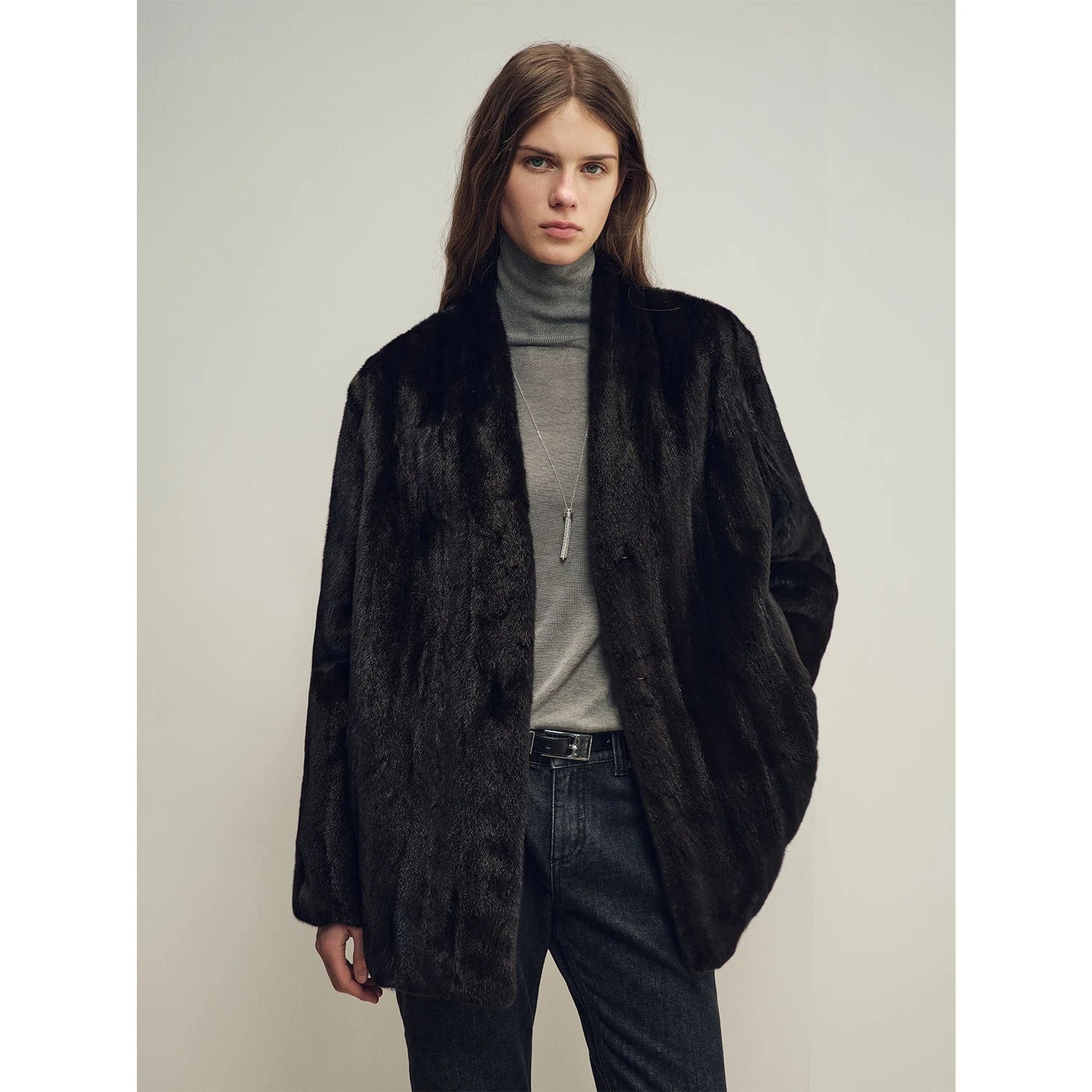
Fiber type changes recovery and shine
Natural hair often has irregular depth and direction. Synthetic pile can be very convincing, but it may reveal itself through repeated uniformity, plastic-like shine, heat sensitivity or a surface that collapses differently under pressure. None of these signs is enough alone; read them together.
If the main question is whether the coat will look real in photos, move to the photo texture guide. This page is about what the material is doing underneath that appearance.
| Check | What to look for | Why it matters |
|---|---|---|
| Pile direction | Does the hair shift naturally across panels or stay perfectly uniform? | Direction affects realism, drape and how the surface catches light. |
| Recovery | Does the pile lift after gentle touch, or stay crushed? | Recovery predicts wear at seat belts, cuffs, bags and storage pressure. |
| Edge finish | Can you see backing, glue, sparse areas or weak stitching? | Edges reveal construction quality before the coat is worn. |
| Weight | Does it feel balanced over shoulders or floppy at the hem? | Weight distribution changes comfort and perceived quality. |
Weight and drape reveal more than softness
Softness is easy to overvalue. A coat can feel soft and still hang poorly, twist around the body or collapse when layered over winter clothes. Hold the coat by the shoulders, close it, and check whether the hem, sleeves and collar keep their intended line.
Real fur can feel substantial because the backing and lining are part of the structure. Faux fur can feel lighter, which may be desirable for casual wear, but lightness can also signal thin pile or weak construction. The question is not heavier versus lighter; it is whether the weight supports the intended use.
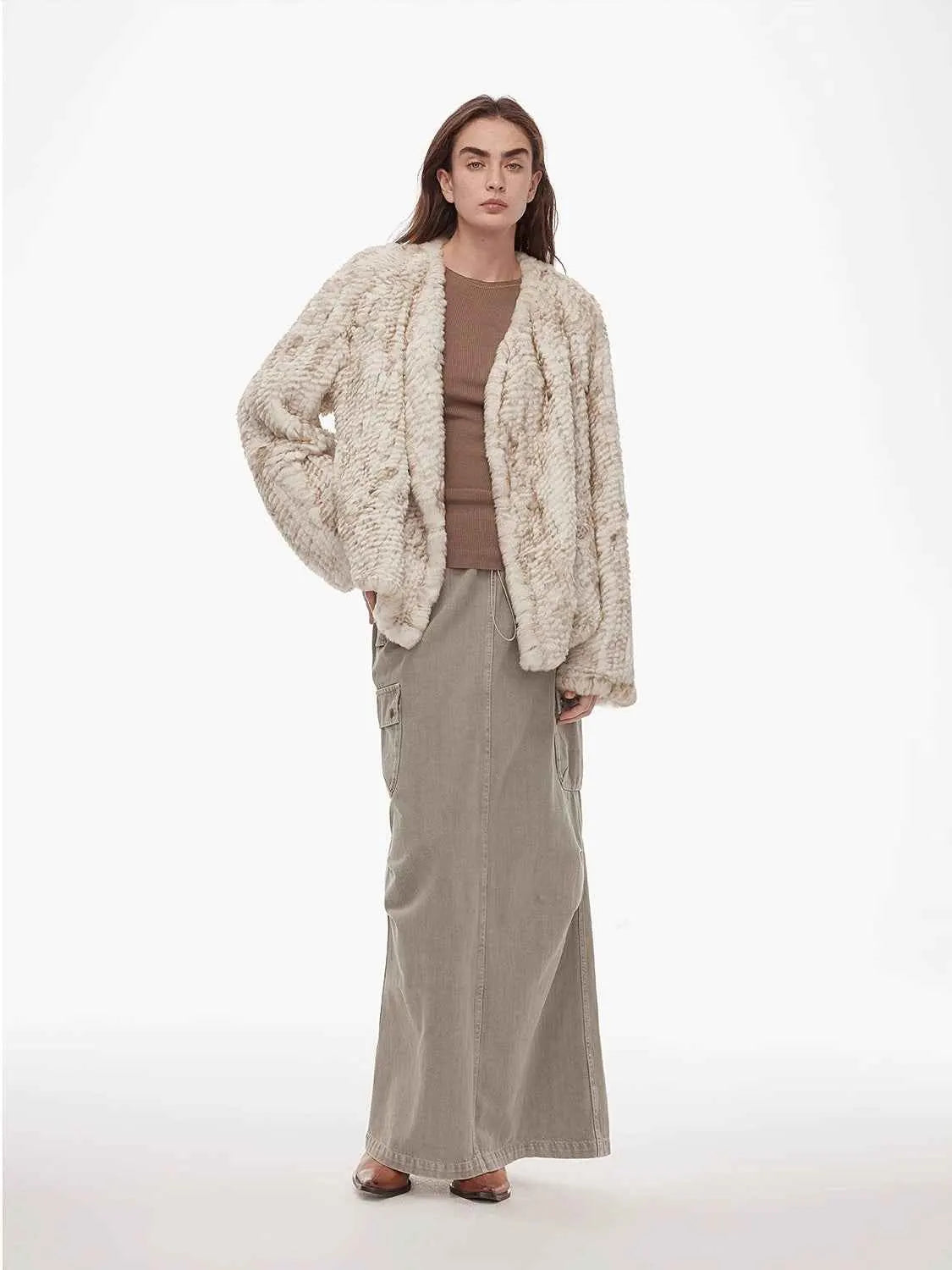
Drape is a material test
A convincing coat has to move over layers, recover after sitting and keep its line from front, side and back.
Photo evidence should include the inside of the garment
Online listings often show the most flattering exterior view. Ask for photos of the label, lining, hem edge, sleeve edge, pocket area and any place where pile is parted. Those images help separate material confidence from seller styling.
When the listing only has mood photos, use How to Compare Real and Faux Fur Texture in Photos before treating the material as verified. A missing backing photo is not proof of a problem, but it leaves the comparison unfinished.
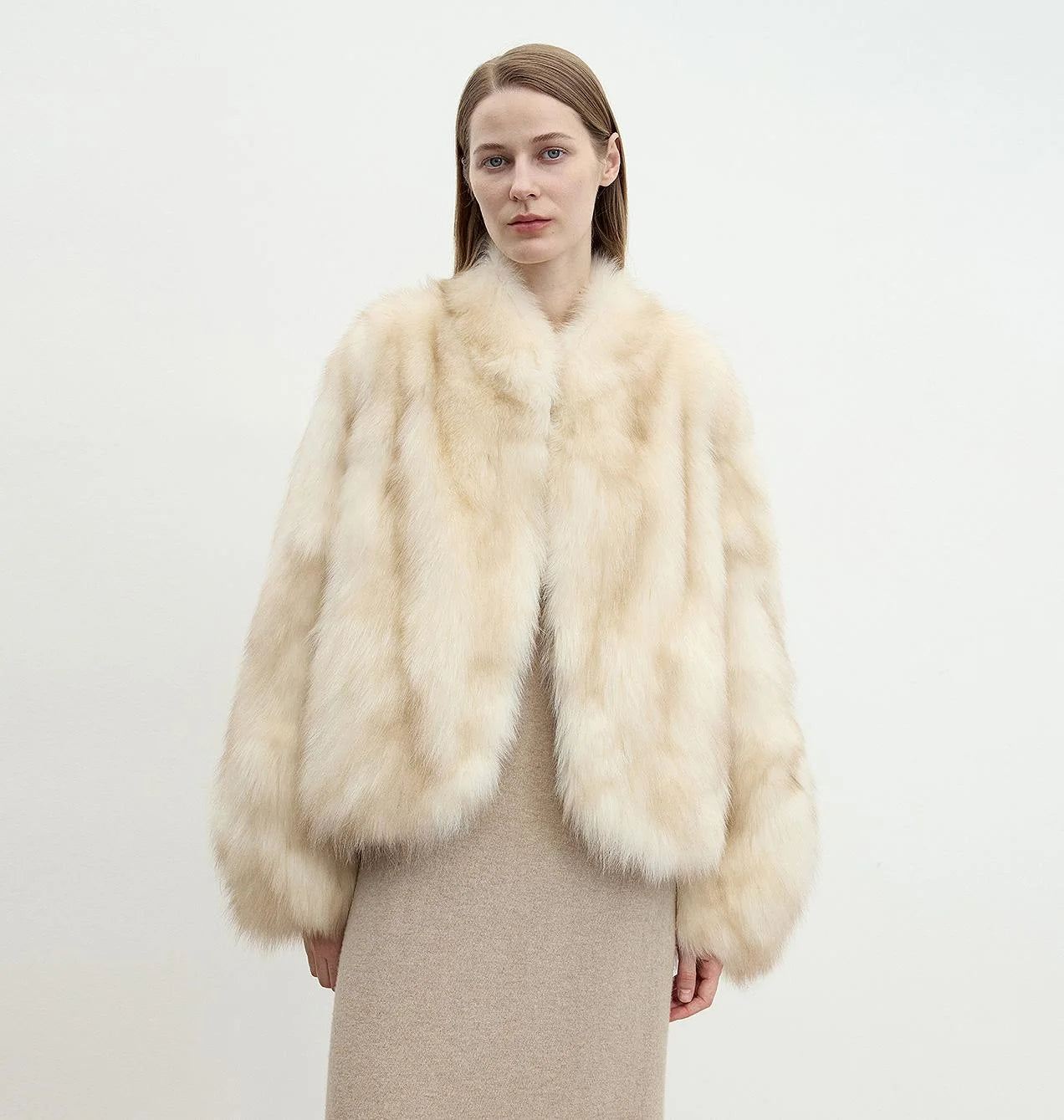
How this material check changes the buying decision
The result of the material test should change the next step. If backing, lining and edges are strong, you can compare warmth and price. If they are weak or hidden, reduce the budget, ask for more evidence or move to another garment. If the surface is beautiful but the base is suspect, the coat may photograph better than it wears.
After this check, move to warmth when winter performance is the question, care when cleaning and storage are unclear, or long-term value when the coat is expensive enough to justify lifespan math.
Use material evidence before comparing collections
When material confidence is high, compare the product family rather than only the surface. Firelady shoppers can start with Artisan Fur for real-fur texture, then compare shearling or fur-trim parkas when warmth or daily practicality matters more than full-fur surface.
Inspect the edge before trusting the surface
The surface is designed to be persuasive. Edges are less forgiving. A cuff, hem, collar turnback or pocket edge can show whether the pile is attached to a textile base, a denser backing, or a construction that will behave differently after wear. This matters because the backing decides recovery, drape, breathability and how the coat reacts to moisture or pressure.
For online shopping, ask for edge photographs before treating a material claim as settled. A front shot can make many surfaces look rich. A side angle at the cuff shows thickness, direction, density and whether the pile falls naturally or sits like a uniform blanket. A lining view can also reveal whether the garment is built like outerwear or like a fashion layer.
The buyer does not need to become a technician. The practical question is simpler: will this coat keep its look and function after sitting, driving, hanging, brushing against bags and being stored for a season? Material differences matter only because they change those everyday outcomes.
Cuff and hem
Use close views to judge pile direction, thickness and how cleanly the material ends.
Base behavior
The base decides moisture response, recovery and how the coat carries weight.
Over layers
A material that looks full on a hanger may behave differently when worn.
Material confidence is built from several small clues
Do not expect one clue to solve the question. Texture, backing, weight, edge finish, lining, seller history and care label each contribute a piece. When all of them point in the same direction, the buyer can move forward with more confidence. When they conflict, the safest choice is to slow down and ask for clearer evidence.
This is especially important for resale and vintage pieces. A real fur label does not prove current condition, and a faux label does not prove easy ownership. Age, storage, odor, lining condition and surface recovery all matter. A newer faux coat can be a cleaner purchase than a poorly stored real fur coat; a well-kept real fur coat can have depth and movement a cheap faux coat cannot imitate.
Use the photo texture guide when the listing is thin, and return to the ultimate guide when material confidence still has to be weighed against warmth, care and value.
FireladyFur material judgment
FireladyFur advice is to inspect construction before emotion: backing, lining, edge finish, recovery and shoulder balance. A beautiful surface is only useful when the garment can be worn, stored and cared for without fighting its own construction.
Read the garment from the base outward
A material comparison becomes useful only when the buyer stops treating the pile as the whole coat. The base carries the stress. On real fur, that base is leather or a leather-like skin. On faux fur, it is a textile structure. Both can be well made, and both can be weak, but they fail in different places.
Look for evidence in the order a garment uses it: backing, lining, seam stress, pile direction, edge finish, then surface. If the backing is hidden and the seller only shows a glamorous surface crop, the comparison is not finished. The photo may be beautiful, but it is not enough evidence for price, warmth or long-term value.
This is why the next layer after this page is photo checking. Material evidence and image evidence should reinforce each other. When they conflict, trust the construction evidence first.
What touch, weight and drape really tell you
Touch can be persuasive, but it is not final. A soft faux pile can feel luxurious at first contact. A real fur surface can feel uneven because natural variation is present. The better question is what happens after movement: does the surface recover, does the garment swing naturally, does the pile lie in one direction, and does the backing feel appropriate for the coat's weight?
Weight also needs context. Heavier can mean density and warmth, but it can also mean poor balance. Lighter can mean easier wear, but it can also signal a thin base or weak lining. A coat should feel supported through the shoulders and stable at the hem. If the weight pulls the garment out of shape, material quality alone will not save the wearing experience.
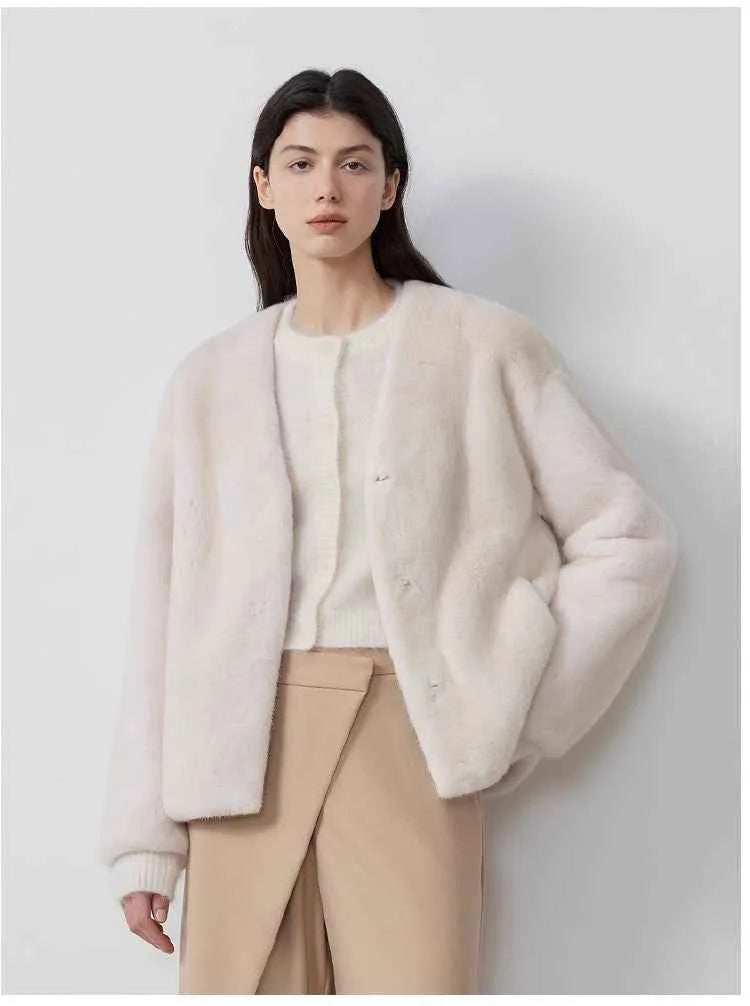
The second check changes the answer
When the first impression is attractive, slow the decision down and inspect the part of the coat that will carry stress in actual use.
Online buying evidence to request
For an online real-versus-faux decision, ask for four simple images: parted pile, lining edge, sleeve or hem edge, and the coat hanging naturally from the side. These photos do not need to be glamorous. They need to answer the construction question.
If a seller refuses normal evidence, treat that as part of the risk. A return policy can reduce risk, but it does not replace material evidence. The more expensive the coat, the more important those boring photos become.
What can be verified?
Use construction, lining, photos, care label and fit evidence before trusting a broad material claim.
Where will it be worn?
Daily cold, travel, occasional events and trend styling do not need the same material answer.
Can the owner support it?
Storage, cleaning, drying and repair access can change the better purchase.
Editorial field notes before the final decision
A material page needs to behave like an inspection checklist, not a glossary. The reader should finish knowing where to look first, which claims need proof, and which visual details are weak evidence. If the article only defines real fur and faux fur, it has not solved the buying problem.
The most common buying error is letting the surface decide too much. A shiny or soft pile can hide a weak base, and a natural-looking variation can be mistaken for quality even when the lining, edge finish or drape is poor. Material evidence has to include the structure that holds the surface in place.
A useful seller should be able to show the coat from the inside edge, the side, the back and the hanger. The buyer does not need laboratory certainty; they need enough evidence to avoid paying for a story that the garment cannot support.
| Question | What to check | What changes the answer |
|---|---|---|
| Is the material claim enough? | Look for construction evidence, not only label language. | Missing evidence should slow the purchase. |
| Does the use case support it? | Compare climate, movement, storage and repeat wear. | A good material can still be wrong for the job. |
| What is the next page? | Return to the parent guide | Use the cluster when one article exposes a new uncertainty. |
Evidence is visible
The page gives enough construction, care or use evidence to continue comparing.
Evidence is missing
Request photos, measurements, care history or product details before trusting the claim.
Role does not fit
Move to another material family or delay the purchase instead of forcing the answer.
If the reader is still comparing the whole category, the next step is the Real Fur vs Faux Fur Ultimate Guide. If the issue has moved into ownership, use care and long-term value before treating the decision as finished.
Reader-specific edge cases worth checking
A buyer should be suspicious of any listing that uses material words as decoration. Words like plush, premium, luxury, natural, vegan or faux do not tell you how the garment is built. The article should train the reader to look for proof instead of adjectives.
If the garment is already in hand, the buyer can learn a lot without damaging it. Feel how the coat hangs from the shoulders, open the lining edge where possible, look at the hem, check whether the pile changes direction cleanly, and notice whether the surface recovers after light handling. Those small observations are more useful than debating a label in isolation.
What would make this purchase fail?
Use that answer to pick the next support article instead of reading every page the same way.
Can the evidence be seen?
Prefer visible construction, photos, fit and care facts over material adjectives.
Where should the reader go next?
Use the parent guide to return to the full cluster when the decision branches again.
FAQ
What is the easiest material difference to check?
Part the pile and inspect the base. Real fur usually shows a leather-like backing; faux fur usually shows a textile backing.
Can faux fur feel soft like real fur?
Yes. Some faux fur feels very soft, so touch alone is not enough. Check backing, pile direction, edge finish, weight and recovery.
Should I use burn or pin tests?
Avoid destructive tests on garments you do not own. Use label, backing photos, seller transparency, lining-edge photos and return policy instead.


