


Real fur and faux fur should not be judged by label alone. The better question is which material fits the weather, wardrobe, care habits, budget and values around the coat.
Use the comparison as a buying decision, not a debate
This guide sits inside the broader Fur Coat Comparison Guide and works as the parent page for the real-fur-versus-faux-fur cluster. Use it when you are not only asking what the materials are, but whether a coat should be chosen, skipped, repaired, stored, or replaced based on the life around it.
The most useful comparison starts with the coat's job. A dramatic evening coat, a daily cold-weather layer, a travel piece, a low-commitment trend purchase and a long-term winter investment should not pass the same test. Material matters, but material only becomes meaningful after the use case is named.
The strongest comparison does not ask whether one category is morally, visually, or technically superior in every case. It asks what kind of coat earns repeat wear for a specific climate, budget, wardrobe, care tolerance, and personal boundary.
Use the pages in this cluster as a sequence. Start with material and warmth if you are unsure what you are looking at; move to care and lifespan if ownership risk is the barrier; use the photo and value pages when the decision is happening online.
Material behavior
Check backing, pile direction, weight, drape, recovery and edge finish before reading warmth or price.
Climate and use
Cold, wind, wet streets, car travel and indoor overheating change which coat feels practical.
Care tolerance
Storage space, cleaning access, moisture habits and specialist service should be known before purchase.
Value window
Cost makes sense only when repeat wear, repair potential and style life support the price.
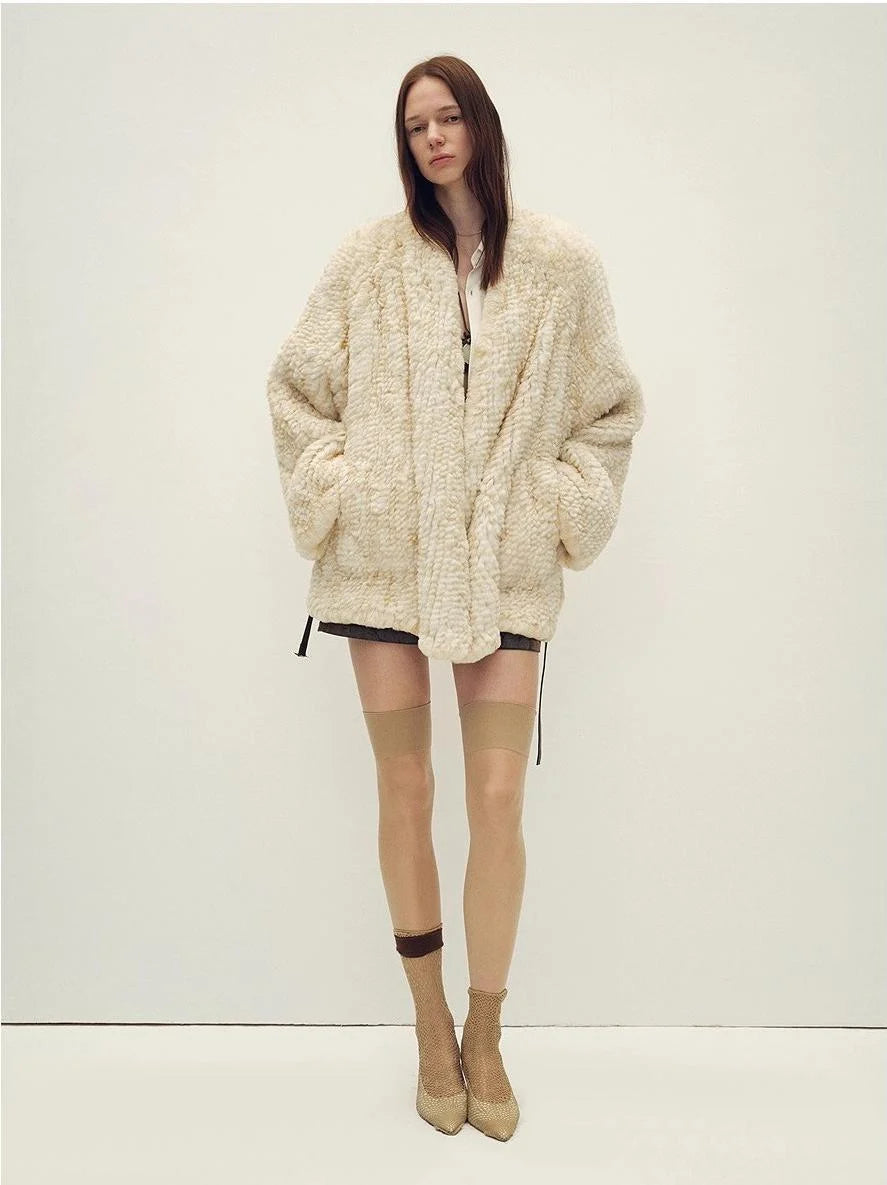
What real fur and faux fur are actually built from
Real fur is hair attached to a leather or suede-like backing. That backing matters because it holds the hair, carries the garment structure and reacts to heat, water, age and storage conditions. Faux fur is usually synthetic fiber attached to a woven or knitted textile base. That base can be lighter, easier to sew and less expensive, but it behaves differently under friction, heat and repeated compression.
If you are trying to identify the material, use the dedicated material differences guide. This parent guide keeps the distinction practical: the backing, pile and construction decide warmth, care, aging and long-term value more than the word on a product card.
| Dimension | Real fur | Faux fur | Decision impact |
|---|---|---|---|
| Base | Hair is attached to tanned skin or leather-like backing. | Synthetic pile is attached to woven or knitted textile. | The base controls cleaning, drying, repair and long-term stability. |
| Surface | Often shows irregular depth, guard hair, underfur and natural direction changes. | Can be uniform, plush, curly, long, short or patterned depending on fiber and finishing. | A close-up photo can mislead; movement and side views matter. |
| Repair | Some issues can be handled by a furrier if the backing remains healthy. | Repair usually depends on textile sewing, replacement panels or accepting wear. | Repairability changes value on expensive or vintage coats. |
| Care | Needs careful storage and specialist judgment; use the Fur Coat Care Guide for moisture and cleaning boundaries. | May tolerate different care routines, but heat and friction can still damage pile. | Care should be considered before checkout, not after the first problem. |
Warmth depends on construction before category
Real fur often has a strong warmth reputation because dense underfur and guard hair can trap air effectively. But a short, open-front coat with weak lining can lose to a better-built alternative. Faux fur can also feel warm in mild winter use when the pile is dense, the lining is solid and the closure blocks wind.
The narrower warmth question belongs in Is Real Fur Warmer Than Faux Fur?. The parent decision is broader: choose the coat that handles your actual weather without becoming annoying indoors, heavy in transit or impossible to store safely.
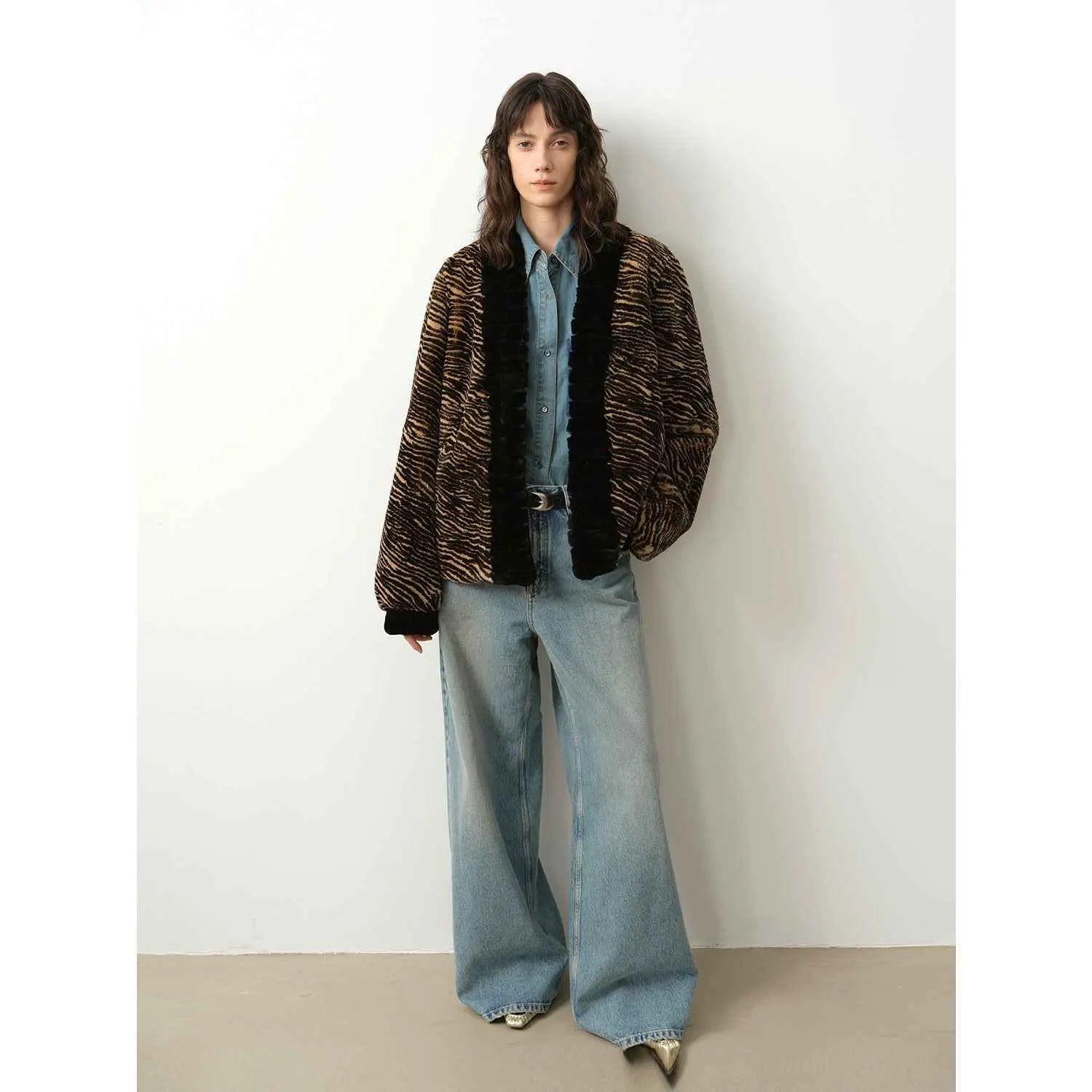
Warmth is built, not declared
Length, lining, closure, collar design, sleeve shape and wind exposure decide whether either material works in a real winter wardrobe.
Appearance is a sequence of checks
Faux fur can look convincing in one image. Real fur can look underwhelming in poor light. Appearance should be checked as a sequence: front view, side view, back view, sleeve movement, collar, hem, pile direction and scale against the body. A single glossy close-up does not answer whether the coat will look refined in motion.
For online shopping, use the photo-comparison guide and the texture guide together. One teaches what evidence to ask for; the other explains what the image may still hide.
Ask for evidence
Parted pile, lining edge, side view and movement photos matter more than one polished hero image.
Look for direction
Real fur often changes depth across the panel; faux fur can look more uniform or patterned.
Use the full body
The same surface reads differently on a cropped jacket, long coat, trim collar or oversized parka.
Care is the ownership test most shoppers postpone
A coat can be attractive and still be wrong if the care routine does not fit your life. Real fur asks for careful storage, moisture discipline, heat avoidance and often specialist cleaning. Faux fur can be lower commitment, but it can still flatten, mat, hold odor, melt under heat or lose surface life after poor laundering.
The deeper care page in this cluster is Real Fur vs Faux Fur Care. Read it before buying if you commute in rain, store coats in crowded closets, use perfume heavily, travel often or cannot access appropriate cleaning support.
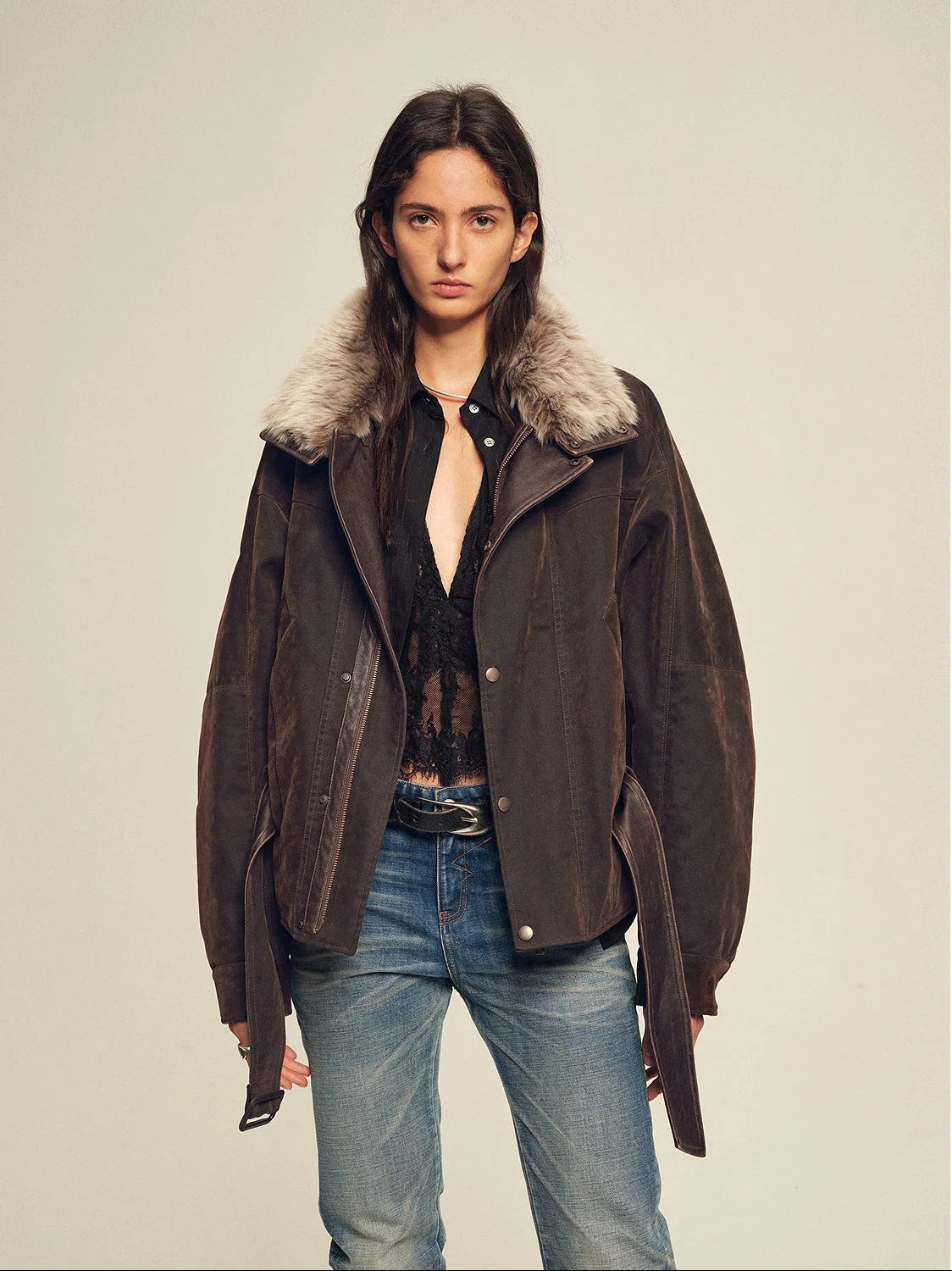
Cost only means something after repeat wear is clear
Real fur often costs more upfront. Faux fur usually lowers the entry price. But price is not value by itself. A cheaper coat that loses shape after a season can be expensive per wear; a higher-priced coat that stays in the closet is not justified by material prestige.
Use When Real Fur Is Worth the Higher Cost if you are considering a premium purchase. Use When Faux Fur Makes More Sense if the role is trend, travel, uncertain weather or a short-term style experiment.
| Purchase situation | Better question | Likely direction |
|---|---|---|
| Main winter coat | Will it be worn weekly and cared for properly? | Real fur or another durable winter material may justify more scrutiny and budget. |
| Occasional statement piece | Is the emotional impact worth a lower-use garment? | Faux fur or a lower-commitment option may be more rational. |
| Online secondhand purchase | Can condition and material be verified? | Require photos, care history and a return path before assuming value. |
| Travel or wet commute | Will the coat face compression, moisture and luggage? | A less delicate option may protect the wardrobe and the budget. |
Ethics, sustainability and regulation need careful wording
Real fur and faux fur both carry concerns. Real fur raises animal-welfare, sourcing, legal and personal-value questions. Faux fur is commonly made from plastic-based fibers and can create its own durability and microplastic concerns. A serious comparison should not flatten either side into a slogan.
If personal values are the deciding factor, make that explicit. A coat that violates the owner's comfort level will not create lasting value even if it performs well. A coat that satisfies values but fails climate, fit or care still may not be the right purchase.
The final chooser
Choose real fur when cold-weather function, material depth, repair potential, repeat wear and care access all support the purchase. Choose faux fur when the role is lower commitment, trend-led, travel-heavy, budget-limited, value-driven by personal ethics or likely to face conditions you would not want to expose real fur to.
Do not let either choice become automatic. The better purchase is the coat that survives the actual life around it: closet space, weather, movement, cleaning, budget, personal values and the number of times it will leave the house.
Shop after the material decision is honest
Use this guide to narrow the category first. If warmth and long-term texture are the priority, compare Artisan Fur. If daily winter practicality or mixed weather matters more, compare fur-trim parkas and shearling coats before treating real-versus-faux as the only decision.
Build the comparison around the owner, not the material label
A material label is too blunt to carry the whole decision. A real fur coat can be sensible for one owner and wasteful for another. A faux fur coat can be the easier, cleaner choice for a fashion use case and still be the wrong purchase for a buyer who needs serious winter coverage. The comparison becomes useful only when the owner is named: commuter, evening buyer, collector, traveler, gift buyer, resale shopper, or someone replacing a coat that failed too quickly.
For a cold-city owner, the first test is weather and coverage. The coat has to manage wind, standing time, door-to-door movement, and the layers underneath. For an event buyer, the test is not winter performance first; it is appearance, storage, frequency, and whether the piece will still feel wearable after the novelty fades. For a frequent traveler, weight, packability, hotel storage, and wet-weather exposure may matter more than the material debate itself.
This owner-first sequence prevents the common mistake of asking a universal question. Real fur versus faux fur is not a referendum. It is a decision about one garment entering one life. The same buyer may prefer real fur for a long winter coat, faux fur for a trend shape, shearling for daily structure, and a fur-trim parka for utility. A useful guide should keep those options open until the real use case is clear.
Coverage first
Check length, closure, lining and wind behavior before styling language.
Repeat test
Ask whether the coat works beyond one dramatic outfit or photo moment.
Handling burden
Weight, packing, rain, hotel closets and transit friction can change the answer.
Condition proof
Older real fur needs backing, odor, lining and storage evidence before romance.
Use the cluster when one part of the answer is still weak
The support articles should not be read as separate opinions fighting each other. They are checkpoints. If the coat looks convincing but the base material is unclear, read the material page. If the winter claim sounds strong but the construction is thin, read the warmth page. If the surface photographs beautifully but the seller avoids cuffs, hem, lining or movement, read the photo-check page before trusting the listing.
Care and long-term cost should be checked before checkout, not after the first problem appears. A real fur coat that needs storage discipline may still be the stronger purchase; a faux fur coat that is easier to buy may still flatten, mat or need replacement sooner than expected. Neither problem is solved by the material word alone. The cluster is useful because it separates these questions instead of forcing every answer into one long paragraph.
When the buyer has only one unresolved concern, use the narrow article and return to the pillar. When two or three concerns remain open, the purchase is not ready. A good product page can make the garment attractive, but it cannot do the buyer's decision work for them. The comparison should be finished before the product grid starts flattering taste.
| Unresolved question | Use this support page | Why it matters before buying |
|---|---|---|
| The coat looks similar in photos. | Material differences | Backing, fiber behavior and edge finish carry more evidence than surface shine. |
| The buyer needs serious winter use. | Warmth and winter use | Insulation depends on construction, closure, wind exposure and layering. |
| The product page is photo-heavy. | Photo texture checks | Missing angles can hide weak pile, scale problems or poor evidence. |
| Care burden may change the purchase. | Care, cleaning and storage | The best material on paper can be wrong for the owner's home routine. |
Evidence should change the decision, not decorate it
Good evidence is not a long product description. It is the detail that would change the next action. A close-up of the cuff matters if it shows pile direction and edge finish. A lining photo matters if it shows construction, not only a label. A model shot matters if it shows scale, sleeve length and movement over real clothing. A care note matters if it changes storage, cleaning or repair expectations.
If a seller gives only a front-facing studio image and a material phrase, the buyer still has work to do. Ask for side light, close texture, hem, collar, lining, closure and a shot that shows how the coat falls over layers. If those views are unavailable, treat the uncertainty as part of the price. A discount can compensate for some uncertainty; it cannot make the uncertainty disappear.
The same evidence discipline protects premium purchases. Real fur should not win just because it is real. Faux fur should not win just because it is lower commitment. The stronger choice is the one with enough evidence to support its claimed use. When the evidence is thin, the safest answer is often not to choose the other material immediately, but to pause until the garment itself is clearer.
What FireladyFur would not let decide the purchase alone
Do not let one beautiful photograph decide the material. Do not let a sale price decide the lifespan. Do not let a sustainability claim decide care behavior. Do not let a luxury label decide warmth. Each of those details may matter, but none of them is complete on its own.
FireladyFur's stronger shopping order is slower: define the job, inspect the material, check warmth and movement, accept the care burden, then choose the product path. If the buyer cannot name the job, the product page is too early. If the buyer cannot accept the care burden, the material may be wrong. If the buyer cannot see enough evidence, the comparison is not finished.
That discipline is what makes the real-versus-faux cluster useful. It gives the shopper permission to keep the decision practical. A coat can be beautiful and still be a poor fit. A simpler alternative can be less romantic and still be the better purchase. The guide should help the reader reach that decision without feeling pushed toward a single answer.
FireladyFur advice: make the coat earn a role
FireladyFur treats a fur coat as a garment with ownership demands, not only a surface. The comparison should move from material to use: climate, silhouette, care, storage, value and repeat wear. That is why the cluster links outward to care, buying and resale value instead of treating one material label as the answer.
Where the real decision usually starts
Most shoppers enter this topic through one of four doors: they want warmth, they want the look, they are worried about care, or they are trying to justify the cost. Those are different questions. A coat that is correct for a cold commute can be wrong for travel. A coat that photographs well can be wrong for a small apartment closet. A lower-cost piece can be rational when it is used often, and expensive when it is replaced every season.
Use this pillar as the routing page for the cluster. If the first problem is construction evidence, go to material differences. If the first problem is winter performance, go to warmth and wind use. If the first problem is whether the coat will still look convincing online, use the photo and texture check before reading price claims.
| Starting problem | Best first page | Why that path is cleaner |
|---|---|---|
| The coat looks good but you do not know what it is. | Material differences | Backing, lining and edge evidence prevent a surface-only decision. |
| You need winter performance. | Warmth comparison | Warmth depends on closure, lining, wind and length, not only the fiber label. |
| You like the image but distrust the listing. | Photo checks | The right photos reveal scale, movement, lining and construction gaps. |
| You want to avoid overpaying. | Long-term value | Care, replacement and repeat wear decide whether price is sensible. |
What thin comparison pages usually leave out
Many comparison pages stop at a simple table: real fur is natural, faux fur is synthetic; real fur is expensive, faux fur is cheaper; real fur is warm, faux fur is easier. That is too clean to be useful. The buyer still has to know how the backing behaves, whether the coat can be stored, how the surface recovers, what happens after damp weather, and whether the style will be repeated outside the first exciting try-on.
The missing layer is ownership. Real fur may reward careful ownership with depth, warmth and repair potential, but it punishes heat, damp storage and careless cleaning. Faux fur may reduce commitment, but it can also flatten, mat, hold odor, distort with heat or age quickly at the friction points. A material label does not protect the buyer from bad construction or poor fit.
That is why this cluster keeps linking sideways. Care belongs in the same decision as material. Aging belongs in the same decision as value. When faux makes sense and when real is worth more are not opposing slogans; they are two filters for different wardrobes.
Ask what can be checked
Backing, lining, edge finish, closure and movement are stronger than a flattering product shot.
Name the wearing job
Occasion, commute, travel, daily cold and statement dressing require different coats.
Count the maintenance burden
Storage, drying, cleaning and repair access change the real cost of ownership.
Plan the end of use
Repair, resale, donation or replacement should be realistic before the purchase looks rational.
How to compare without letting price dominate too early
Price matters, but it should not be the first or only filter. A buyer who starts with price often explains away missing evidence. A cheaper faux coat that fits the weather, closet and wardrobe can be the right answer. A cheap faux coat that collapses after one winter is not. A higher-priced real fur coat can be justified when climate, repeat wear, care access and personal values all support it. A higher price paid for an imagined lifestyle is still weak value.
The cleaner sequence is role, material, construction, care, then price. Role tells you what problem the coat must solve. Material tells you how the surface and base are likely to behave. Construction tells you whether the garment can carry that material. Care tells you whether you can keep it in usable condition. Price belongs after those checks because only then do you know what you are buying.

Price should enter after the coat has passed the role test
A material comparison becomes useful when the buyer can say where the coat will be worn, how often, how it will be stored and what care burden is acceptable.
A practical route through the nine support articles
Start with material differences if the listing is vague or the coat is secondhand. Move to warmth when the coat has to function in actual winter. Use appearance and photo checks when the decision is happening online and the images may be doing too much persuasion.
Use care before checkout, not after the first spill. Use when faux works if your main constraints are budget, trend, travel or mixed weather. Use when real is worth more if you are considering a higher-cost coat and need a disciplined reason. Use aging and lifespan when you are comparing new, vintage or resale possibilities.
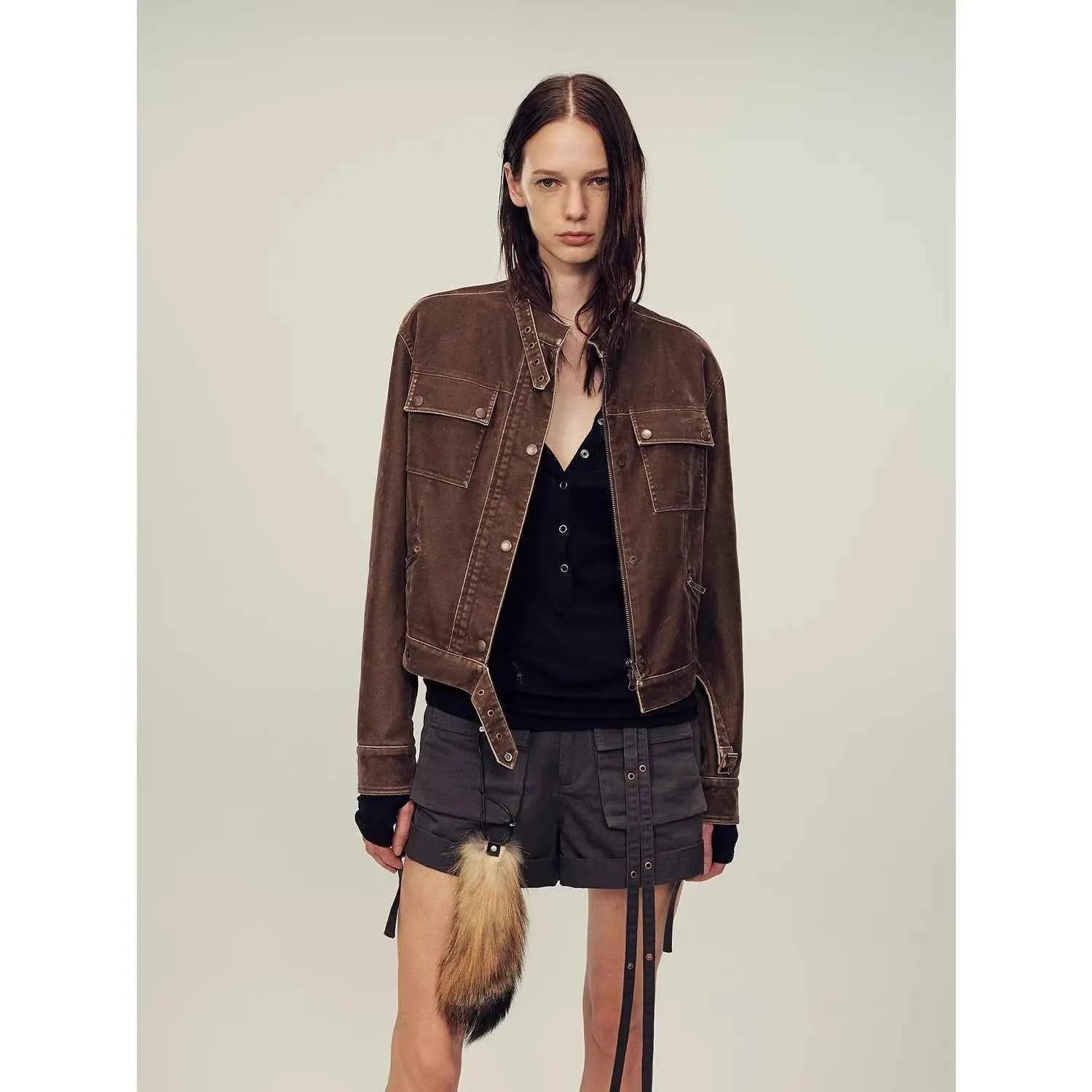
The questions hidden inside one material comparison
A strong real-fur-versus-faux-fur guide cannot stop at origin, price and ethics. Those are the visible questions. The purchase usually turns on quieter questions: whether the coat will be worn in dry cold or damp streets, whether the owner has space to hang it, whether the lining and backing can be inspected, whether the surface will recover after sitting, and whether the garment still feels useful after the first season.
This is where a pillar page has to carry more than a short answer. The reader may arrive with one query, but the decision quickly spreads into material, warmth, care, appearance, aging, replacement cost and personal boundaries. If the page only says real fur is warmer and faux fur is easier, it leaves the shopper with the same uncertainty they brought in.
Which material performs better?
Answer through construction, warmth, hand feel, recovery, storage and repeated wear, not only through the word real or faux.
What happens after purchase?
Care, cleaning, odor, matting, repair, replacement and resale decide whether the first comparison still looks rational later.
What will make the owner regret it?
Regret usually comes from climate mismatch, weak fit, poor evidence, high upkeep, storage pressure or buying for a fantasy occasion.
Material evidence comes before material opinion
Real fur and faux fur can both look persuasive online. A polished product image compresses the evidence into color, shine and silhouette. The useful inspection starts below that surface. Check how the pile is attached, how the edge is finished, whether the backing is visible, whether the lining hides too much, and how the coat returns after movement. A coat that photographs well but gives no construction evidence has not earned a material judgment yet.
For real fur, the condition of the leather base, lining, seams, shoulders, closures and storage history matters because the material is a garment system, not just hair. For faux fur, backing density, fiber quality, pile length, heat sensitivity and friction behavior matter because the surface can look rich while the base behaves like a shorter-life textile. Both categories can be good; both can be poor. The evidence decides which one is in front of you.
Secondhand listings need extra restraint. Vintage real fur may have character but weak lining, odor, brittle backing or expensive repair needs. Older faux fur may look acceptable in a front photo while the seat, cuffs, hem and underarm areas show flattening or matting. A comparison guide should not romanticize one category or dismiss the other before the garment has been inspected.
Warmth is only useful when the coat fits the winter
Warmth is not a trophy point. A warmer material is valuable only when the coat can be worn often, comfortably and safely in the owner's actual winter. Dense real fur can provide serious cold-weather value, but length, closure, collar height, lining, sleeve shape and wind exposure still decide the experience. A shorter faux fur jacket with poor closure can feel cold even if the surface looks plush; a well-cut faux fur coat with good coverage can work for mild city winter even if it is not the strongest cold-weather material.
The climate question also changes the care question. Dry cold is different from wet snow, salted sidewalks, rain, crowded transit and overheated indoor spaces. A coat that excels in dry evening cold may be stressful for daily wet commuting. A faux fur coat that feels lower-commitment may be the cleaner choice for travel, mixed weather or frequent casual use. A real fur coat may be more compelling when the buyer has repeated cold-weather occasions and the storage routine to protect it.
| Winter situation | Real fur question | Faux fur question | Decision note |
|---|---|---|---|
| Dry, cold evenings | Is the coat well built enough to justify the care? | Does it hold warmth without looking costume-like? | Real fur may deserve a serious look when repeat use is clear. |
| Wet city commuting | Can the owner avoid damp storage and heat drying? | Will the surface mat or hold odor under friction? | Weather tolerance and recovery matter more than prestige. |
| Travel or hotels | Will packing, weight and storage make ownership stressful? | Will folding crush the pile or distort the surface? | Choose the material that survives the trip routine. |
| Occasional statement wear | Is the cost justified by limited use? | Will the look satisfy the style goal without long ownership burden? | For rare use, emotional value and budget discipline need to agree. |
Appearance has to be checked in motion and at the edges
The visual comparison is usually where shoppers move too fast. Real fur can have depth, variation and movement that a flat image does not fully show. Faux fur can be beautifully designed, consistent and easier to style, but it may also reveal uniform pile, synthetic sheen, weak drape or pattern repetition under different light. Neither side should be judged from one hero photo.
Ask for the photos that make the comparison harder, not easier: side view, back view, cuff, hem, collar, lining, closure, edge finish, pile parted by hand, and movement over a shoulder or sleeve. If the coat is online-only, these details are the substitute for touch. If the seller cannot show them, the uncertainty belongs in the price and return decision.
Texture also changes by garment type. A long coat, cropped jacket, trim collar, hooded parka and vintage stole do not carry the same visual job. A faux fur jacket may look better than a long faux fur coat if the pile length and drape are more believable at a smaller scale. A real fur coat may look richer when the cut respects volume; it can also look heavy when length, shoulder and collar are wrong for the body.
Care and lifespan are not aftercare; they are part of the purchase
Many shoppers treat care as a problem for later. That is backwards for this comparison. Real fur asks for breathable storage, distance from heat, careful moisture handling, and professional judgment when cleaning or repairing. Faux fur asks for a different kind of caution: heat, friction, matting, odor retention, washing mistakes and surface flattening can shorten the useful life. The easier purchase is not always the easier ownership.
Lifespan also has to be measured against the owner's habits. A carefully stored real fur coat may keep value, warmth and visual depth for many years. A poorly stored one can become expensive to rescue. A faux fur coat may be perfect for a trend, a low-commitment style season or a buyer who does not want animal material, but it may be less repairable and more likely to be replaced when the surface ages. Replacement cost is a real cost even when the first price is lower.
This is why the support articles on aging and lifespan and replacement cost belong inside the same cluster. They answer the slower ownership question that product pages rarely dwell on: what the garment may look like after use, friction, weather, storage and time.
When the answer is real, faux, or neither
The final answer should be allowed to be conditional. Real fur can be the better purchase for a cold-weather wardrobe when construction is strong, care is realistic, storage is available, and repeat wear is likely. Faux fur can be the better purchase when the buyer wants lower commitment, avoids animal material, prefers trend flexibility, expects wet or rough use, or would rather replace than maintain. Neither is the right purchase when the garment has no clear role, the evidence is weak, the budget depends on optimism, or the care routine is already failing before checkout.
When ownership supports it
Cold use, strong construction, stable storage, repeat wear and willingness to care for the coat make the higher commitment more defensible.
When flexibility matters more
Travel, trend use, mixed weather, budget restraint, ethical preference or lower-maintenance expectations can make faux the more honest choice.
When the evidence is weak
Poor photos, vague material claims, bad fit, no care plan or unclear wearing occasions are reasons to pause rather than force a category decision.
How this pillar should guide the support articles
The parent comparison should own the full decision logic. The support articles should deepen one branch at a time. Material differences clarify construction. Warmth explains winter performance. Appearance and photo checks handle online evidence. Care explains maintenance before damage. Faux-versus-real value pages handle situations where one material becomes more sensible than the other. Aging and lifespan pages explain what happens after the first season.
Used this way, the cluster becomes more than a set of related posts. It becomes a sequence for reducing uncertainty. A reader can begin with the broad comparison, identify the weak point in their own decision, read the support article that owns that weak point, and return with a clearer purchase boundary. That is the reason this pillar needs depth: it has to show the whole map without pretending one article can replace every branch.
Editorial field notes before the final decision
A real-versus-faux choice often becomes emotional because both sides carry identity. One buyer sees real fur as warmth, craft and long life. Another sees faux fur as the cleaner personal boundary. Neither reaction is enough for a buying guide. A useful article has to make the reader slow down and test the garment against the life it will enter.
For a buyer who lives in a cold, dry climate and wears outerwear repeatedly, real fur may deserve serious consideration if the coat is well built and care is realistic. For a buyer who moves through wet streets, rideshares, travel packing, crowded closets and short trend cycles, faux fur or a fur-trimmed parka may be the more honest answer. The same coat can be intelligent in one life and wasteful in another.
The cluster should therefore be used as a decision sequence, not as ten separate posts. Start with the parent page. Then move to the support page that matches the reader's uncertainty. Material uncertainty goes to construction. Winter uncertainty goes to warmth. Image uncertainty goes to photo checks. Ownership uncertainty goes to care, lifespan and value.
| Reader situation | Likely next step | Decision risk to avoid |
|---|---|---|
| The buyer is choosing from online photos. | Photo texture checks | Letting the best close-up stand in for construction evidence. |
| The buyer wants one serious winter coat. | Warmth and winter use | Choosing a dramatic surface before checking closure, collar, length and lining. |
| The buyer wants lower commitment. | When faux makes sense | Using low price to ignore fit, recovery and surface durability. |
| The buyer is paying more for real fur. | When real is worth the higher cost | Treating material status as a substitute for repeat use. |
| The buyer is thinking long term. | Lifespan and replacement cost | Forgetting care, storage, repair and style life. |
The buying answer changes when the coat is already chosen
When the reader has not chosen a coat, the guide can stay broad: compare material, warmth, appearance, care and value. Once the reader has a specific coat in mind, the test becomes narrower. Does this coat have the right length? Does the lining feel stable? Does the surface recover after touch? Does the shoulder sit cleanly? Can the buyer store it without crushing it? A general material preference is no longer enough.
That is where FireladyFur content should behave like an editor, not a catalog. The page should help the reader reject the wrong product before the product page starts flattering them. If the coat needs a role the buyer cannot name, the purchase is not ready. If the coat passes the role but fails care, the purchase is still not ready. If the coat passes role and care but fails fit, the material debate is irrelevant.
After this guide, the clean shopping path is not simply to browse more. Warmth-led buyers can compare Artisan Fur. Practical mixed-weather buyers can compare fur-trim parkas. Buyers who want warmth with a different care profile can compare shearling coats.
No clear wearing job
Do not buy a material because it wins a debate but has no real role in the wardrobe.
Care plan is weak
Storage, drying, cleaning and repair access need an answer before checkout.
Two materials both pass
Use price, repairability, ethics, style life and replacement cost as the final filter.
Role and care align
The best purchase is boringly coherent: it fits the climate, body, wardrobe and ownership routine.
What makes this cluster different from a simple comparison chart
The value of a cluster is that it lets each page hold a sharper job. The material page can stay close to backing and fiber. The warmth page can stay close to winter performance. The care page can talk about heat, damp, cleaning and storage without being squeezed into one paragraph. The value page can count replacement and resale without pretending price alone decides the answer.
That separation is what keeps the content useful for both Google and readers. Instead of producing ten near-identical comparison summaries, each page should answer a different obstacle in the buyer's decision. The parent page connects those obstacles and prevents the reader from treating any single claim as the whole truth.
Reader-specific edge cases worth checking
When a buyer says they are choosing between real and faux fur, the hidden decision is often elsewhere. They may be choosing between a coat they will wear and a coat they only admire, between a material they can maintain and a material they can explain, or between a practical winter layer and a visual statement. The parent guide should make those hidden choices visible.
The strongest way to use this page is to decide what would make the purchase fail. If the answer is damp weather, start with care and storage. If the answer is poor product photos, start with texture and photo evidence. If the answer is budget regret, start with lifespan and replacement cost. If the answer is identity or personal material preference, name that honestly before comparing performance.
A final comparison should feel less dramatic than the first search. It should narrow the decision to a few workable roles: a real fur coat for serious cold and long-term surface depth, a faux fur coat for lower-commitment style, a shearling coat for warmth with a different texture, a parka for practical weather, or no purchase until the role is clearer.
What would make this purchase fail?
Use that answer to pick the next support article instead of reading every page the same way.
Can the evidence be seen?
Prefer visible construction, photos, fit and care facts over material adjectives.
Where should the reader go next?
Use the parent guide to return to the full cluster when the decision branches again.
Final editorial check before publishing
One final way to keep the decision grounded is to ask what evidence would change your mind. If a backing photo, care history, side view, return policy, or storage plan would change the answer, the decision is not finished yet. That is not hesitation; it is good buying discipline.
For FireladyFur readers, the strongest purchase path is usually narrow by the end: one material family, one wearing role, one care plan, and one realistic budget. The buyer should be able to explain why the chosen coat beats the alternatives without relying on vague words like luxury, natural, ethical, warm or affordable alone.
Use the support articles to remove uncertainty one by one. When the remaining choice is clear, then product browsing becomes useful rather than distracting.
If the remaining choice still feels vague, return to the first question: what job must this coat do next winter?
A guide should make that answer easier to say in plain language before any product link appears.
FAQ
Is real fur better than faux fur?
Not automatically. Real fur may offer material depth, warmth potential and repair paths, while faux fur may suit lower-commitment fashion, budget limits or personal material preference. The better choice depends on use, climate, care and values.
Is faux fur always easier to care for?
No. Faux fur can still flatten, mat, hold odor or be damaged by heat and washing. It is different care, not no care.
Should I choose by warmth or price first?
Choose by use first. If the coat will be a main winter layer, warmth and construction matter early. If it is occasional or trend-led, price and commitment may matter more.


