


Article Summary
Prepare the condition notes and photographs before the buyer’s winter, then use matched sales and the intended delivery date to decide when to list. No calendar month guarantees a sale. A quiet listing also needs checks for price, measurements and missing photographs.
Use this page when a coat seems listable but the seller is unsure whether to wait, repair, rephotograph or lower the price. If condition is not checked yet, start with pre-listing inspection.
Before cold weather
Finish condition checks, measurements, lining photos and repair decisions before urgency arrives.
When the buyer has a reason
Confirm the intended outing and date without assuming a sale.
When the listing is incomplete
A quiet listing may need better proof before it needs a lower price.
Choose the buyer’s calendar before choosing a month
The calendar below is a planning example for buyers facing a US autumn and winter, not a measured peak-sales chart. A Southern Hemisphere buyer has a different winter calendar; a mild-climate buyer may be shopping for travel or an event. Set timing by the destination market, not just the seller's month.
Before waiting for a supposed peak, compare the same search and marketplace across equivalent date ranges in eBay Product Research. Keep material, condition and location filters consistent and inspect how many close sales there are. For broader interest, Google Trends uses a relative 0–100 index; a higher index is not a count of buyers or completed coat sales. Sparse sales or search data cannot establish a dependable best month.
Finish inspection and service work before listing
Use a quiet period to complete the photographs: the whole coat, lining, cuffs, collar, closures, labels and measurements. Check the title against the actual garment. Missing information is useful work to finish now; a seasonal label cannot replace it.
Ask a specialist about completion dates if cleaning, repair or relining is needed. Leave time after collection for current photographs and an accurate condition note. Describe only completed work in a ready-to-ship listing; do not promise a deadline the service provider has not confirmed.
| Listing moment | What the reader is thinking | Best seller action |
|---|---|---|
| Late summer | Could this be ready before winter? | Finish inspection, measurements, labels, color photos and title testing. |
| Fall | Can I wear this soon? | Lead with wearability, closure, size, clean condition and shipping readiness. |
| Holiday season | Is this event-worthy or gift-risky? | Show full shape, lining, flaws, returns/fit limits and honest color. |
| Late winter | Is the price worth storing until next year? | Explain condition and value clearly; do not overreact to slower urgency. |
| Spring or summer | Do I want to store this? | Use the quiet period for repair review, better photos and patient channel testing. |
Describe the coat’s intended use for that season
A long coat might be wanted for a winter event; a short jacket might suit dinners, travel or car-to-door wear. Those are possible uses to describe, not measured differences in selling speed. Compare matched completed sales before deciding that one length should be listed earlier than another.
If length is the uncertain factor, use long coat versus jacket resale demand. If the coat sits between full fur and practical outerwear, current fur-trim parka and shearling coat collections can help compare hood, pocket and coverage features. Their retail prices do not establish vintage resale demand.
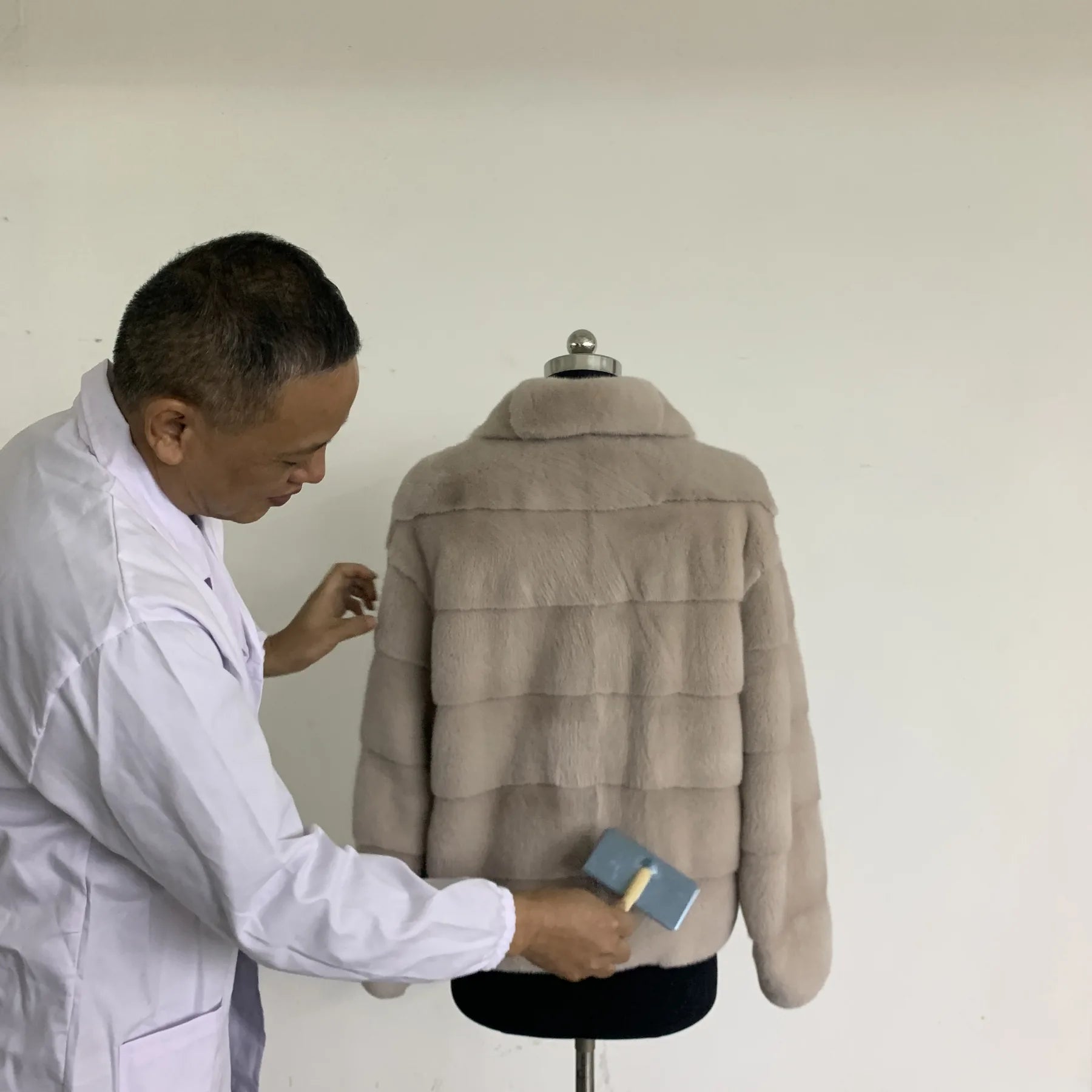
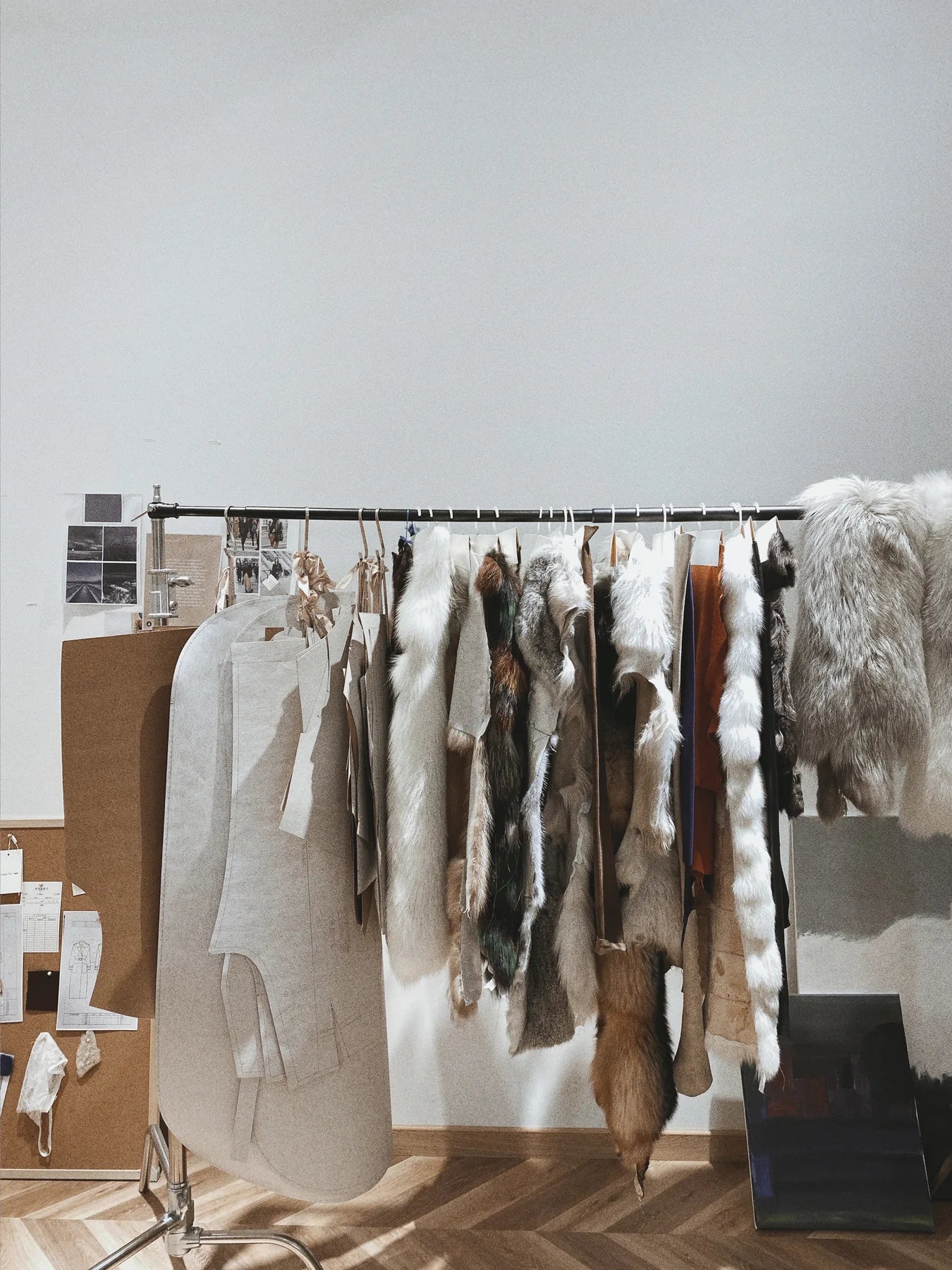
For a buyer who needs the coat immediately, lead with its current condition, closed-front view, measurements and dispatch date. For a buyer preparing ahead, include the same facts and explain any storage history you actually know.
The facts stay the same. A short mink jacket offered in November might be described for an upcoming winter outing; the same jacket offered in May can be available for next winter. Neither wording proves warmth, future condition or a higher price.
Check a quiet listing before discounting
If a buyer asks about an omitted flaw or care date, update the condition notes buyers read before interpreting that question as a seasonal price problem.
Quiet response can mean the season is wrong. It can also mean the price is too high, the size is unclear, the color photographs poorly, the title attracts the wrong person or the coat is too niche for the chosen channel. Treat timing as one variable.
That diagnosis belongs near the end of the resale check, after the coat has been checked through the vintage value model. A discount is useful when the claim is already accurate. It is wasteful when the listing still has fixable uncertainty.
- If the listing is early, gather missing photos before reducing price.
- If cold weather has started and messages are vague, rewrite the title and first paragraph around wearability.
- If buyers ask for size or lining, supply that information; the question does not isolate season or price as the cause of a slow sale.
- If the coat has an unusual cut, describe its measurements and intended use; low interest alone does not establish rarity or the cause of a slow sale.
- If odor, hard backing or active shedding appears, season does not solve the risk.
Allow time for delivery and inspection
Late-season buyers may worry about receiving, inspecting and storing the coat before the weather changes. High-value or fragile vintage pieces also need careful packing, tracking and return expectations. If the coat is long, pale, delicate or condition-sensitive, the seller should avoid rushed language that makes the transaction feel casual.
| Timing layer | What it changes | What to do before cutting price |
|---|---|---|
| Cold region | A buyer may intend to wear it on arrival. | Show warmth, closure, length and condition clearly. |
| Mild region | Ask whether the buyer wants travel, event or local use. | Name the use case instead of forcing daily winter language. |
| Late season | Buyers think about storage and timing. | Make condition and packing confidence stronger. |
| Off season | Use a quiet period for preparation; check actual exposure. | Use the time for repairs, photos and measurements. |
Name the garment accurately: an ordinary-wear jacket, formal long coat, fur-trim parka or a disclosed repair project. Cold weather does not turn one category into another. If a buyer has an event deadline, confirm dispatch and allow for their inspection without promising carrier delivery.
Choose a listing date you can support with a finished inspection, current photos and a realistic dispatch commitment. When those are ready, waiting for an assumed seasonal peak needs better justification than the month alone.
Before you discount a quiet listing
Quiet does not always mean overpriced. The coat may be early, late, poorly photographed, too vague in size or aimed at the wrong buyer.
Prepare before a promised dispatch date. Inspection, photos, label proof, repair review and measurements should be finished before cold weather creates urgency.
Timing cannot hide condition risk. Odor, hard backing, shedding or missing lining photos still need a lower claim no matter the month.
A patient listing needs a clear reason to wait. If the coat is niche, rare or formal, choose channel and timing before cutting the price.
FireladyFur's timing standard
For a seasonal listing, I recommend finishing photographs and condition notes before setting the dispatch date. Check the buyer’s destination and any service completion date. A coat does not earn a higher price merely because winter is approaching.
For storage and ownership context, use the Fur Coat Guide; for resale order, return to the Fur Coat Value / Resale Guide.
A completion date from the cleaner or furrier is more useful than a guessed sales deadline. State when the coat can actually be dispatched and check the buyer's destination season. Read about FireladyFur and our editorial standards.
Fix the listing before you blame the season
If cold weather is close, sharpen wearability and proof. If the season is quiet, use the time for inspection, photos and repair decisions instead of rushing the price down.
What is the best season to list a fur coat?
For a US winter-wear buyer, preparing before local cold weather is a reasonable starting point. No single month is best for every market or coat. Compare relevant sales by date and buyer location, and have condition notes, photographs and dispatch timing ready.
Should I lower the price if a fur coat does not sell in summer?
Not automatically. Summer silence may reflect timing. First check the photos, measurements, title, condition language and buyer channel.
Can repair timing affect resale value?
It can affect when the coat is ready and what you spend before selling. Get a completion estimate and quote before promising dispatch; neither winter timing nor the repair bill guarantees a higher sale price.
Do jackets and long coats have the same seasonality?
They can have different intended uses, but a shorter coat is not proven to sell earlier. Check matched completed sales across equivalent dates and buyer locations. Describe the actual length, condition and planned use without promising a seasonal advantage.


