


Article Summary
Wear is not the problem by itself. Mystery wear is. A rubbed cuff, softened collar, or tired pocket edge can be acceptable when the listing shows it clearly and names it calmly.
After the first inspection, consider each visible flaw separately: does it affect appearance, prevent a fastening from working, or raise a question about the skin and seams? Record those differences before deciding whether the coat can be offered for wear or needs assessment.
Compare Both Cuffs in the Same Light
Compare the two cuff edges for rub, darkening, thinning, a split, fraying lining or sticky residue already noticed. A light rubbed edge and an opening through the skin are different findings; record the part and extent rather than calling both normal wear.
Photograph both cuffs in the same light without tucking a damaged edge out of sight. If one is more worn, name that side and show a close-up. You do not need to invent a cause for the difference; state that it is unknown when there is no reliable history.
For example: "Left cuff edge has a visible thin patch; right cuff has light rubbing with the edge intact." Use that distinction only when the photographs and observation support it. If the cause is unknown, leave it unknown.
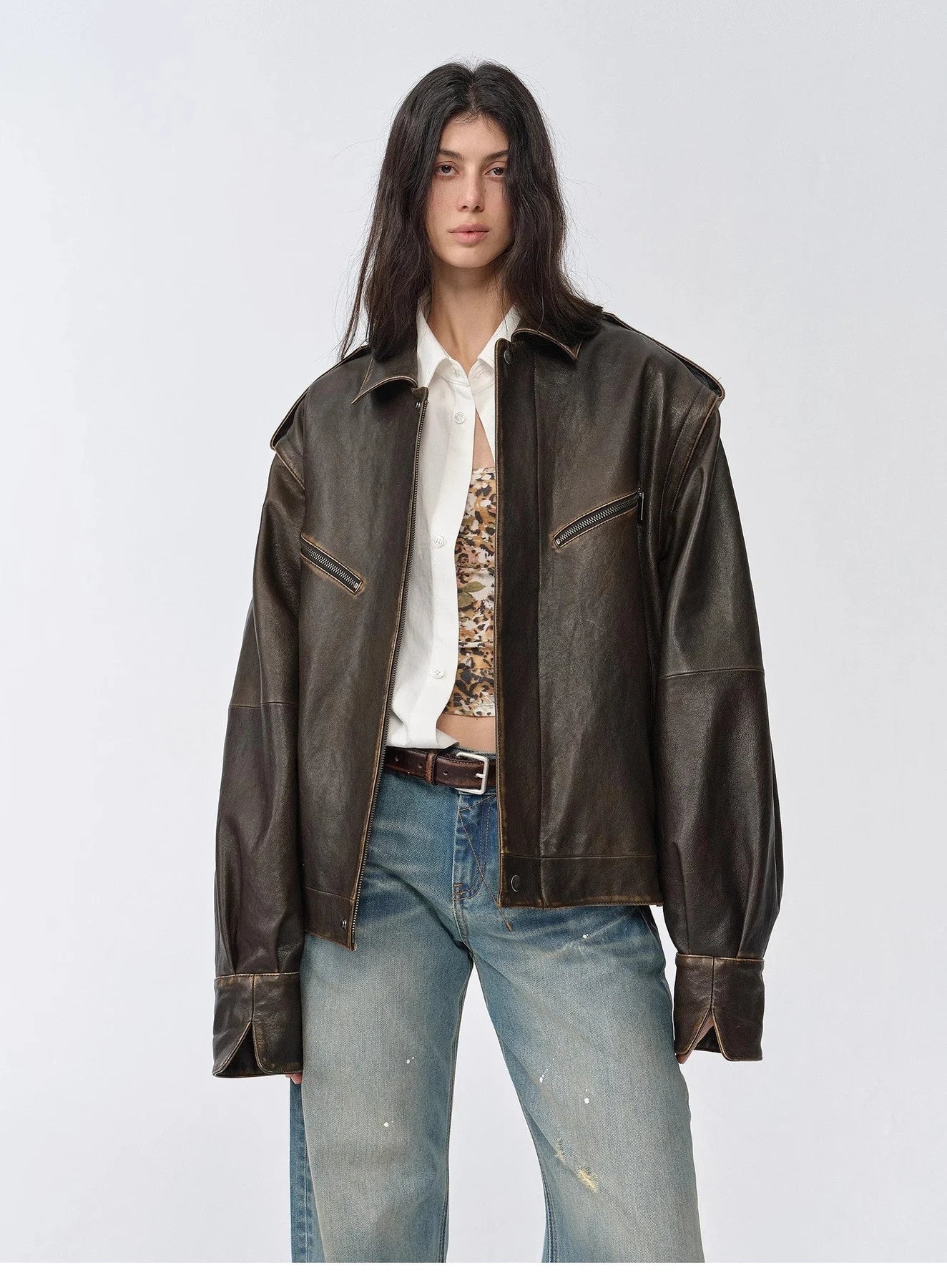
A flaw is easier to accept when it is easy to locate
Do not write 'minor wear throughout' when the actual issue is the left cuff, pocket edge or collar. A precise location feels more honest than a vague softener.
Wear becomes easier to accept when the buyer can locate it quickly.
Read the Collar, Underarms and Shoulder Separately
At the collar, record visible flattening, matting, darkening or a mark. Describe fragrance or another odor separately only if already noticed. A collar photograph cannot identify makeup, perfume or the cause of a stain.
Record visible thinning, matting, darkened pile, lining stains and any existing seam opening at the underarm. Describe an odor only if already noticed; do not bring the coat to your face or pull a stiff area open for a closer inspection.
If the underarm is clean, say the underarm lining is shown and no major underarm wear is visible. If there is wear, show the area and keep the note factual.
A flattened or diagonal shoulder mark deserves a wider photograph and a close-up. It may resemble a bag-strap contact area, but the pattern alone does not prove how it happened. Keep any known use history separate from the visible mark.
Photograph both shoulders in the same light and name the side that is flatter or marked. Keep the collar and sleeve from covering the area in the condition view.

Distinguish Matting, Thinning and Missing Hair
Matting is compressed or tangled hair. Thinning is reduced visible density. A bald patch has missing hair or exposed backing. Name the condition you can see and photograph its extent; a specialist must decide whether treatment or repair is feasible.
Describe these as visible conditions, not home diagnoses. Do not brush out a matted area or spread a thin patch to prove how much hair is missing. If ordinary movement releases more hair, stop. Whether the area needs treatment or repair is a separate question for a fur specialist; the listing can already name and show the area as it is.
If hair release is happening while you inspect, switch to the shedding resale article. A bald-looking area and active shedding together should not be treated as a styling imperfection.
Check Whether Wear Changes Function
Wear at an armhole, shoulder, side seam, closure line or hem needs more than a surface description. Record any visible opening and whether the surrounding area has already shown stiffness or hair release. Do not pull the seam to see whether it holds.
Use the hard leather article if the area also feels stiff, noisy or brittle. Wear plus dryness is a stronger warning than wear alone.
Wear notes should explain whether the flaw affects use. A buyer reads wear differently when it changes function. Light pocket-edge wear may be cosmetic. A torn pocket bag changes use. A rubbed cuff may be cosmetic. A split sleeve edge may need repair. A flattened shoulder may be visible but wearable. A seam split may affect structure.
Add one short use sentence when needed: does not affect closure, pocket remains usable, lining opening may need repair, or sold as-is. That sentence turns a flaw from a surprise into a decision.
Do not call a repair easy unless a qualified repairer has assessed it. A loose hook and a seam opening beside weak skin can require different work; a lining opening also needs to be distinguished from damage to the fur body.
Better wording: closure hook is loose and may need repair. Not professionally assessed by current seller.
| Visible detail | What still needs an answer | Useful disclosure |
|---|---|---|
| Matted collar | Visible texture does not establish the cause or treatment outcome. | Show the area and describe matting. |
| Bald cuff edge | Whether the skin or seam needs repair. | Show both cuffs and the exact missing-hair area. |
| Pocket-edge shine | Cosmetic edge wear versus a damaged pocket bag. | Name the edge; state a hole or unusable pocket separately. |
| Uneven color panels | Lighting difference or actual color difference; cause may be unknown. | Use comparable light and name the affected panel. |
| Broken closure | Missing hardware, failed stitching or unassessed skin attachment. | Show the fault and do not claim the coat closes normally. |
Separate Color and Shine from a Known Cause
Fur changes color under warm light, daylight and shadow. Before calling color uneven, photograph the coat in neutral daylight and compare panels. If one sleeve, shoulder or front panel is visibly different, the buyer needs to know whether that is lighting, fading, repair, dye variation or unknown.
Do not over-explain what you cannot prove. Better wording: color appears slightly warmer on left sleeve in daylight photos; cause unknown.
Use the same neutral light for wear close-ups and the full coat. Warm light or strong contrast can obscure darkened edges. Include a second lighting view if it shows a meaningful color difference, and describe that difference without assigning a cause.
If the coat changes dramatically between lights, include both instead of choosing the flattering one only.
Surface shine can be beautiful or worn. Some fur has natural luster. Worn shine is different: it appears flat, greasy, darkened or pressure-polished in contact zones. A seller should not call every shine luxurious. If the concern is material behavior rather than wear, step back to the Fur Coat Guide; if the decision has moved beyond coats into the broader Firelady fur category, use the Firelady Fur Guide.
Put the Exact Flaw Beside Its Photograph
A scarf can hide a collar mark, a pose can hide a cuff, and a belt can disguise a weak closure. Those choices may help the lead photo, but the condition gallery needs the unstyled truth beside the attractive image.
A strong listing can show the coat first, then show the flaw early enough that the buyer understands the tradeoff.
Avoid pristine, mint or like new when the pictures show wear. Describe an attractive color or shape separately, using vintage, soft or wearable only when the identification or condition supports that wording.
Wear wording should not shame the coat. Pre-owned fur can have wear and still be desirable. The language should not sound embarrassed. It should sound exact. Light cuff rub, visible pocket-edge wear, collar flattening and small lining opening are better than unfortunate damage or only minor signs.
Visible wear and care history are separate facts. Light edge wear does not by itself rule out resale, and a clean-looking coat with unknown history is not evidence of concealment. Record current wear and any documented maintenance independently. An attractive surface also cannot establish the condition of hidden backing.
The trust test
Imagine the buyer opening the box and finding the worst area first. Would your listing make that moment feel expected? If yes, the wear is probably disclosed well. If no, rewrite the description and add a photo.
Condition notes that buyers actually read are covered in the condition-notes article. The note should not scare people away; it should keep the first try-on from feeling like a surprise.
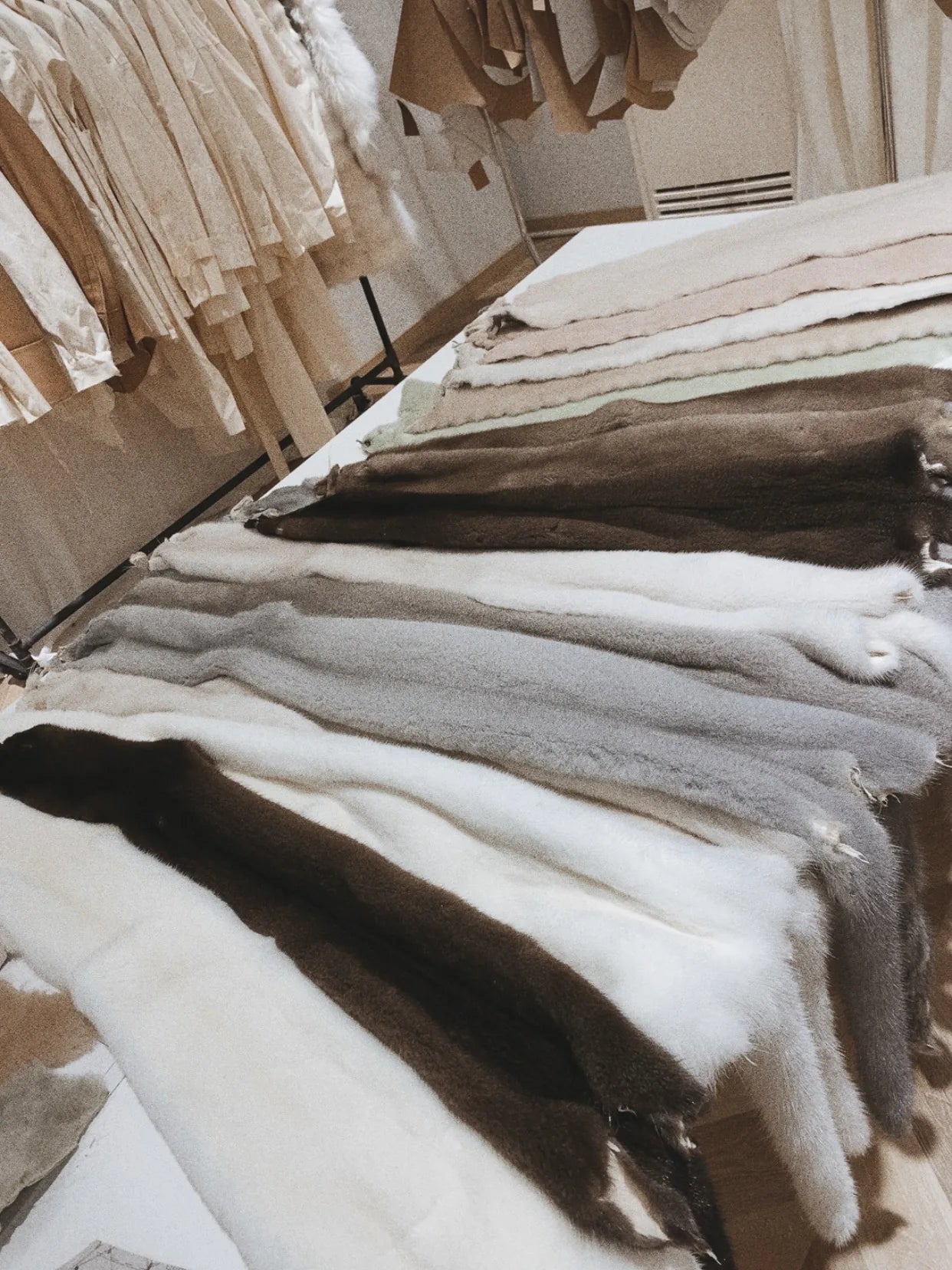
The most credible wear note names the exact zone first, then explains whether the coat still wears cleanly.
Name the exact worn area and its observed effect on use; leave repairability unassessed when it has not been checked.
What the Wear Note Needs to Say
Name the side and extent. A left cuff thin patch is more useful than vague sleeve wear.
Separate appearance from use. A shiny pocket edge differs from a pocket bag that cannot hold an item.
Keep the cause and repair unknown when unassessed. A photo does not establish either.
Show current wear beside any care history. A clean appearance or old receipt cannot establish hidden skin condition.
Show the wear before it becomes the buyer's discovery
A photographed flaw is part of the negotiation. A hidden flaw is a trust break.
Show wear before it looks like avoidance
FireladyFur would not treat normal cuff rub or collar wear as automatic deal breakers. The bigger trust problem is hiding the areas a buyer will check first. Wear that is visible, named and photographed can feel fair; wear that appears only after delivery feels like a different coat.
The practical rule is simple: if a flaw affects the first try-on, it belongs high in the listing. If it only affects a close inspection, it still needs a photo, but it does not have to dominate the whole garment story.
Is cuff wear normal on a used fur coat?
Light cuff rub can be normal, especially on a coat that was actually worn. Heavy thinning, bald edges, staining or splitting should be photographed and disclosed.
Can a fur coat with wear still sell?
A coat with visible wear may still be offered when its condition is described accurately and normal use is supported by the evidence. A significant unassessed skin or functional problem needs a different sale description. Disclosure and price do not guarantee a buyer.
What wear signs hurt resale value most?
Splitting skin, continuing hair release, substantial missing hair, odor or a failed closure need specific disclosure and may require assessment before normal-wear claims. Their effect on price depends on the actual coat and sale; there is no fixed reduction.


