


Article Summary
The material name is a starting filter, not a resale price. A buyer compares the actual garment: condition, cut, size, construction and recent completed sales for similar pieces. Mink, fox, shearling and rabbit each call for different views of the coat.
Start here when the label or remembered material sounds promising, but the real question is whether the coat in front of you can support that promise. If it has not been inspected yet, run the pre-listing fur coat inspection checklist first so the material claim does not outrun the condition proof.
Material alone cannot set the asking price
A seller often remembers the original material before anything else: mink, fox, shearling, rabbit. A buyer does the opposite. They look for clean surface movement, steady lining, usable sizing, flexible backing, honest photos and a reason the coat can still be worn this winter.
That is why a premium material with hard leather, smoke odor or active shedding can fall below a modest material in stronger condition. A material label helps only after the coat has passed the trust test.
Material name
Mink, fox, shearling, rabbit and trim tell buyers what the coat could be worth if the rest supports it.
Condition proof
Odor, dryness, shedding, weak seams and worn lining decide how far the price has to move down.
Construction
Full skin, knitted, sheared, trim and panel work decide whether the material feels substantial or merely decorative.
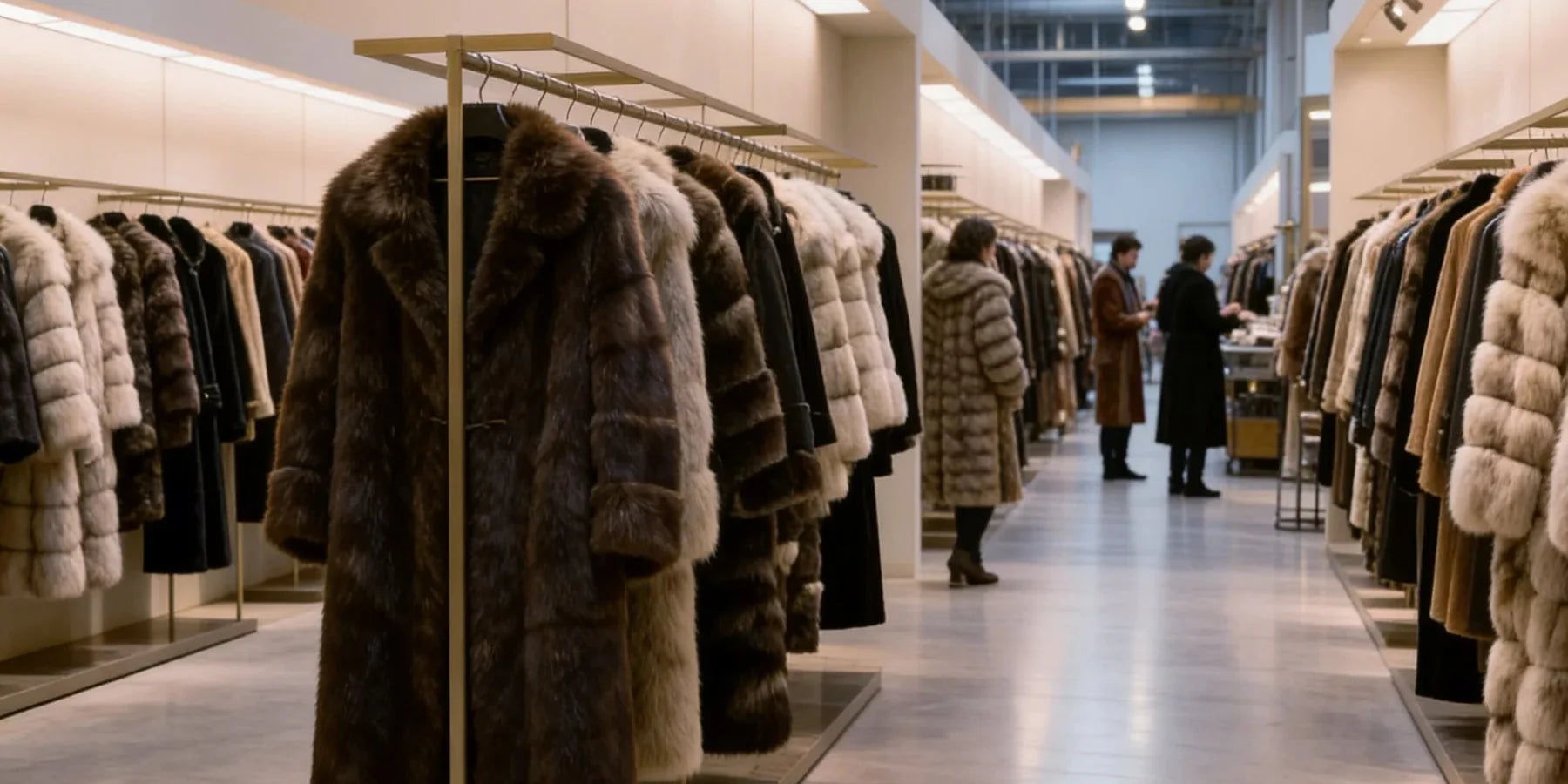
The four material lanes behave differently
A mink listing needs a focused proof path: even density, soft surface, flexible leather, a lining that does not fight the body, and a shape that buyers still know how to wear. A mink coat that photographs flat but feels strong may need better closeups; a mink coat with odor or brittle backing needs a lower promise.
Fox is less quiet. It sells on volume, collar shape, color movement and first impression, but that same volume exposes crushing, matting and over-bulk quickly. A dramatic coat may photograph well, but the buyer cannot imagine storage, seating or sleeve movement, review fox fur volume and resale demand before describing it as desirable.
Shearling has a different buyer. The value often comes from wearability: weight, warmth, suede or leather surface, wool interior, seams and whether the coat can handle ordinary dry winter use. The deeper shearling resale path belongs in shearling resale value and wearability.
Rabbit needs its own comparison. It can be soft, charming and worth listing, but it rarely benefits from grand luxury language. Rabbit listings work better when they show clean condition, honest lower-value limits and a clear buyer use. Use rabbit fur and lower-value listing limits when the material is fragile, dyed, reversible or hard to price.
| Material | What can support value | What lowers trust fast | Better next article |
|---|---|---|---|
| Mink | Even density, flexible backing, clean lining, current silhouette | Dry leather, stale odor, weak shoulder line, hidden lining wear | Mink details to inspect |
| Fox | Healthy volume, clean guard hairs, collar shape, intentional color | Crushing, heavy bulk, shedding, matted cuffs | Fox volume and demand |
| Shearling | Wearable weight, clean suede/leather, stable seams, strong wool interior | Stains, hard panels, flattened wool, moisture marks | Shearling wearability |
| Rabbit | Clean soft surface, honest pricing, intact lining, easy styling role | Fragile panels, shedding, bald areas, overpromising | Rabbit listing limits |
Condition decides whether buyers believe the material
A listing can say mink, fox, shearling or rabbit, but the buyer still wants the same first proof: no troubling odor, no active shedding, no stiff backing, no hidden cuff damage, no vague language around wear. If those problems are present, move into when material does not save a poor coat before you price the piece.
This is where the earlier condition articles matter. Odor and dryness belong in the odor and dryness resale article; loose hair belongs in the shedding resale article; stiff backing belongs in the hard leather article. A better-sounding fur name cannot hide those issues.

A good material label should make the buyer curious, not suspicious
When the material sounds strong but the condition photos are thin, the listing creates a gap. Buyers fill that gap with caution, lower offers or extra questions.
Construction changes the material story
Two coats can use the same material and feel completely different. Full skins, knitted construction, sheared surfaces and trim each create a different resale promise. A full mink coat asks for body and backing proof; a knitted piece asks for stretch, lining and shape proof; a sheared coat asks for even finish; trim asks for attachment, wear and garment context.
Use full skin, knitted, sheared and trim differences when the listing has to explain how the material is built, and use construction details that raise confidence when the small parts decide whether the coat feels trustworthy.
| What to inspect in the construction | Buyer reads it as | Photo proof that helps |
|---|---|---|
| Full skin or substantial panels | A coat body with material value, if flexible and clean | Inside hem, side seams, body drape, lining edge |
| Knitted or lighter construction | Wearable softness, but possibly lower structure | Stretch, hanger shape, shoulders, sleeve hang |
| Sheared surface | Modern finish if even; repair concern if patchy | Close texture, side light, cuff edge |
| Trim | Detail value attached to another garment | Collar/cuff attachment, detachable hardware, backing, wear points |
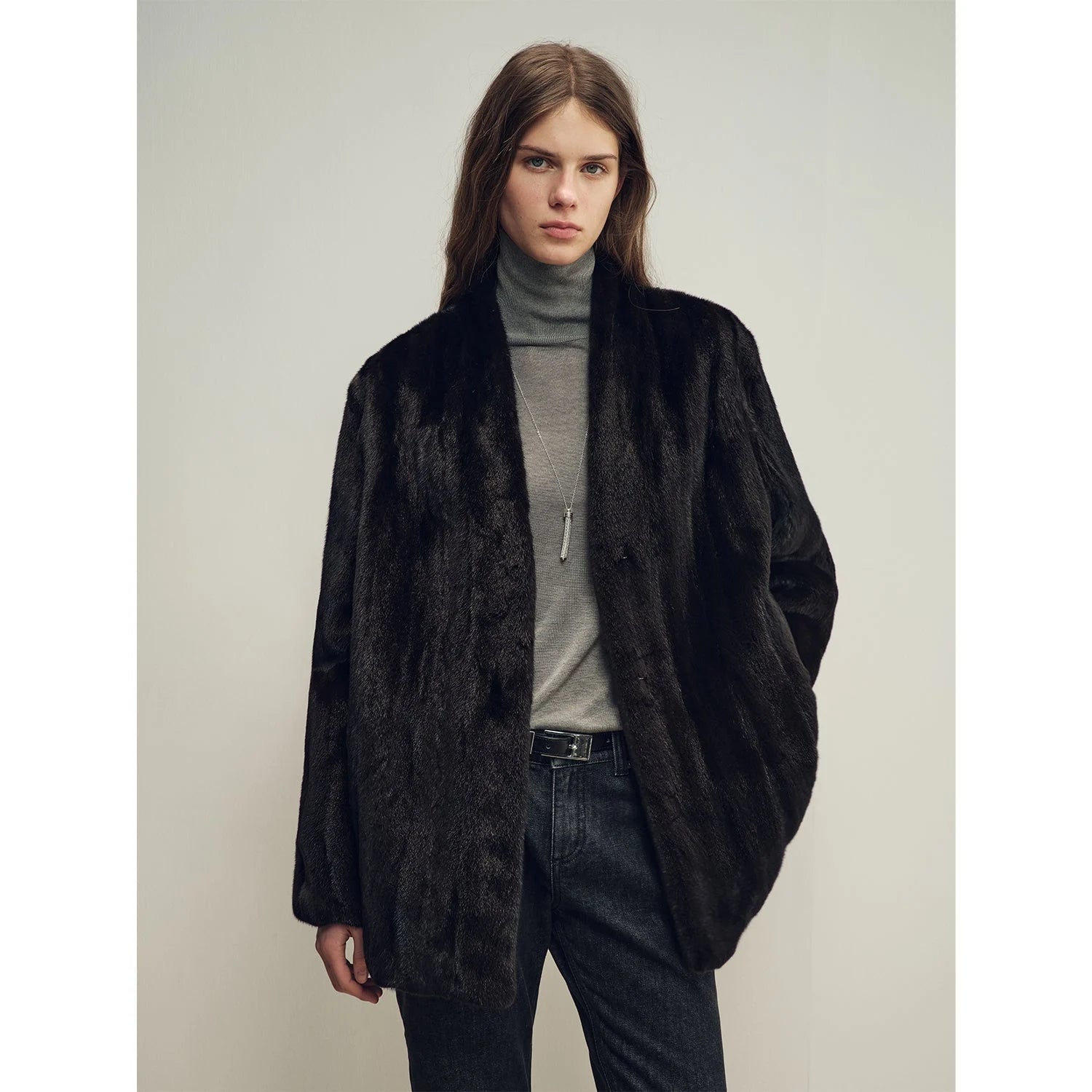
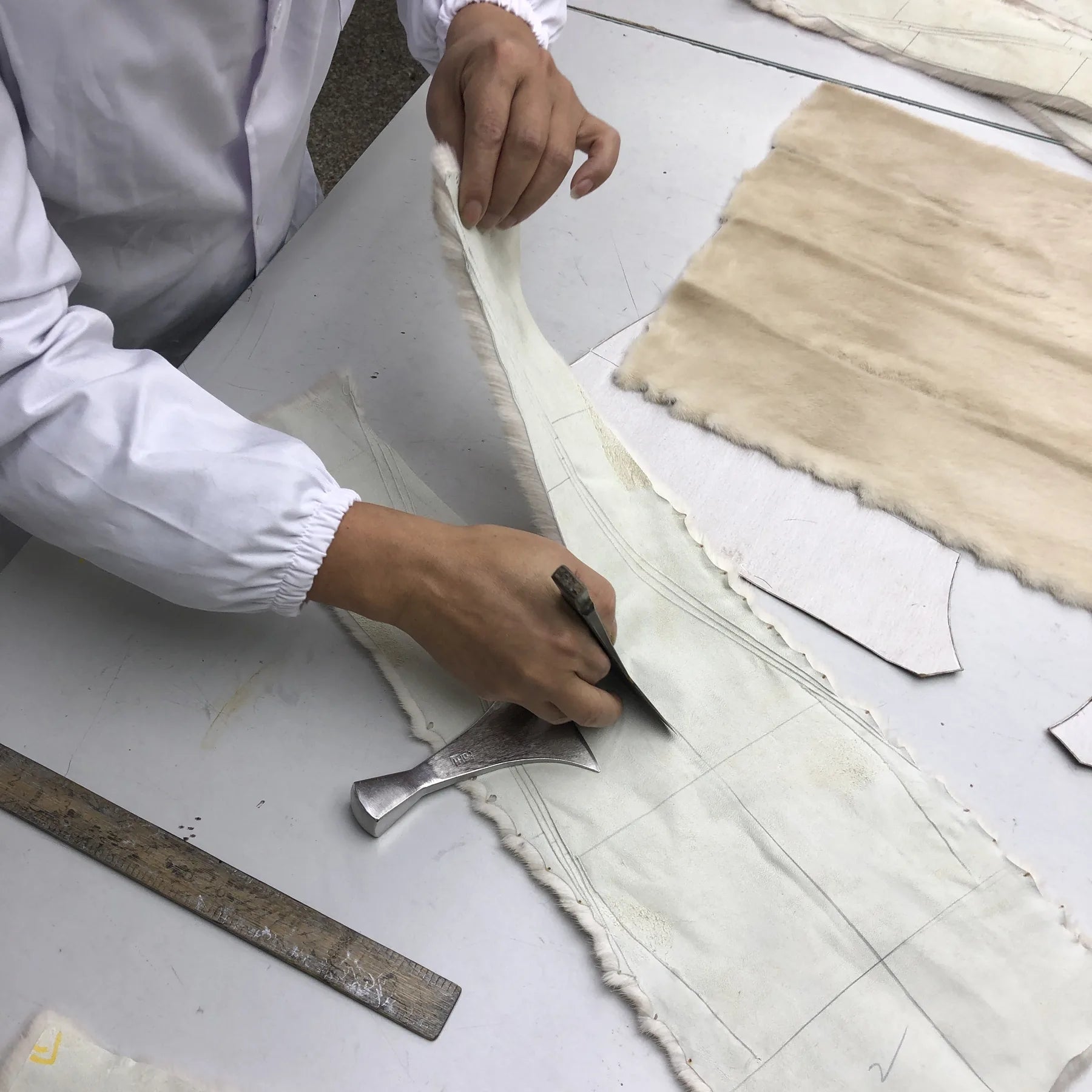
Photos have to support the material claim
A material claim without photos forces the buyer to trust the seller's vocabulary. Use the listing photos to show the surface close enough to read density, the lining wide enough to read cleanliness, and the edges close enough to see wear.
The guide to material photos that support resale trust turns this into a practical shot list. Pair it with the broader resale photo article when the listing still lacks front, back, cuff, collar, lining and label images.
Trim value is not full coat value
A fur-trim parka, hood or collar can be useful, stylish and valuable to the wearer, but the resale logic differs from a full fur coat. The judgment covers the whole garment: shell fabric, insulation, zippers, pockets, detachable hardware, hood shape and the trim itself.
For trim, route to how fur trim value differs from coat value instead of borrowing full-coat language. For an owner comparing replacement options, when a fur-trim parka is more practical and the detachable fur-trim parka collection create a more natural next step.
A realistic asking range comes after the material read
Once condition, construction and photos support the material, the next question is market fit. Use how much you can sell a fur coat for when the issue is asking range, and vintage fur coat value when age, label or dated styling might change the buyer pool.
Choose the listing condition before the description
Most weak fur listings go wrong in the same place: the seller writes the adjective before deciding what kind of sale the coat can honestly support. Luxurious, rare, premium, soft and warm may all sound pleasant, but they do not tell the buyer whether the coat is ready to wear, needs repair, belongs in a lower-price listing, or should be treated as a project.
The sale promise should come first. A wearable coat needs one kind of proof. A small lining issue needs another. Dry backing or active shedding calls for an as-is description and specialist check before any wearability claim. Once the sale promise is clear, material language becomes easier and cleaner.
| Sale promise | Material can say | Material claim to avoid |
|---|---|---|
| Ready to wear | Known material, clean condition, working closures, no major odor detected, measurements provided | A vague luxury story with no lining or cuff photos |
| Wearable with disclosed wear | Material named, wear photographed, flaw placed near the right photo | Excellent condition if cuffs, collar or lining show clear wear |
| Repair or restoration | Material may support restoration interest if backing and seams allow it | Ready-to-wear language or a normal premium asking range |
| Decorative, costume or project | Texture, color and material can still matter to the right buyer | Investment, heirloom or rare wording without proof |
Mink has several value lanes, not one
A clean classic mink coat, a short mink jacket, a sheared mink piece, and an older mink with a dated cut do not share the same buyer. Treating all of them as one resale category makes the listing feel lazy. The material is the same broad family, but the buyer's reason for caring changes.
With a classic full mink coat, show the body, lining and accessible backing. Describe how it was stored only when you know. A short mink jacket may sell on wearability, because the buyer can imagine denim, black trousers, a dinner dress or a car seat more easily. A sheared mink needs even finish and clean edges. An older long mink may need a stronger story around condition and occasion, because the buyer pool is narrower.
The seller's first decision is not whether the coat is mink, but which mink lane the coat belongs to. Once that lane is clear, the condition note and photo order become easier to write.
Full mink coat
Needs body, lining, flexible backing, storage history and enough current styling demand.
Short mink jacket
Needs proportion, sleeve movement, easy outfit use and clean cuffs.
Sheared mink
Needs even surface, edge photos and careful language around patchiness or rub.
Fox has to prove that volume is still controlled
Fox can look expensive in a thumbnail because it carries shape and movement before the buyer reads a word. That is useful, but it creates a stricter photo burden. The buyer has to believe the volume is healthy, not crushed; deliberate, not bulky; stored well enough that the collar and sleeves still have shape.
Show a full silhouette, side view, collar view, cuff closeup and guard-hair detail. On a long or very full coat, one photo should show how the sleeve sits away from the body. That photo helps buyers imagine the coat in a restaurant chair, car seat or crowded room.
A fox coat with flattened cuffs cannot be rescued with dramatic language. It needs the wear named. A fox coat with clean volume can use the drama, but the drama still has to connect to actual use: evening coat, statement jacket, collar-focused outerwear, or a piece that works over simple layers.
Shearling should be judged like winter equipment with style
Shearling is not read by buyers exactly like mink or fox. The real question is whether the coat will work in ordinary winter: dry sidewalks, stairs, driving, errands, cold wind and indoor transitions. Its resale strength sits in the outer surface, the wool interior, seam stability, weight and whether the coat can be worn without constant worry.
A shearling listing needs both sides of the material. Show the outer suede or leather surface, the wool side, cuffs, collar, seam stress, pockets and closures. Moisture marks, salt, shine or hard panels can narrow the asking range and may need specialist care. A clean shearling can be easier to understand than a formal full fur coat; a damaged shearling can become harder to restore than the seller expects.
Practical wording works better here: warm, wearable, stable, clean interior, light surface wear, measurements shown. That reads better than trying to force shearling into a luxury-fur sentence that does not fit the way people buy it.
Rabbit needs its own comparable set
Rabbit is often where sellers overreach. The coat may be soft and appealing, but the resale ceiling is usually lower and the construction may be more fragile. The right buyer can still be real: someone who wants softness, pattern, costume use, a reversible coat, a vintage look, or an affordable winter piece. That person is not helped by language that pretends rabbit is in the same value lane as a strong mink.
A rabbit listing should use short, factual proof. Surface shown. Lining shown. Wear shown. Measurements shown. Shedding checked. For a reversible coat, both sides photographed. When material identification is uncertain, say that the material is not fully verified and let the photos do more work.
The best rabbit listing is often calmer than the seller wants it to be. That calm is useful. It reduces disputes, aligns price with expectation, and makes the buyer feel that the seller is not trying to turn a narrower-market material into a story it cannot support.
Care history helps only when the present coat agrees
Professional storage, prior cleaning, careful ownership and a known no-smoke home can all support resale value. The buyer still needs a clear view of its present condition. Good care history does not erase current dryness, lining strain, flattened cuffs or odor from later storage.
Separate care history from current condition. Say what is known, then say what the coat shows now. If professional storage is not known, leave that claim out. Unknown history is not a flaw by itself; pretending to know is the problem.
When care history is the strongest part of the value story, use mink storage care, fox fur care, or shearling care limits only after the listing has named current condition.
Measurements and silhouette can lift or limit the ceiling
A beautiful material can sit in a coat that very few buyers can wear. Vintage sizing, long sleeves, narrow shoulders, heavy sweep, dramatic length, oversized fox volume or a very short crop can all narrow the buyer pool. That does not mean the coat has no value. It means the material claim needs help from measurements and styling context.
Shoulder, bust or chest across, sleeve length, back length and sweep belong near the condition note. A buyer who understands fit is more likely to believe the rest of the listing. With vintage or unclear label sizing, use measurements over tag size.
Silhouette also affects replacement logic. A strong material in a dated silhouette may be better restyled than sold at an inflated price. A clean short jacket may sell faster than a more expensive long coat because the buyer sees more days to wear it.
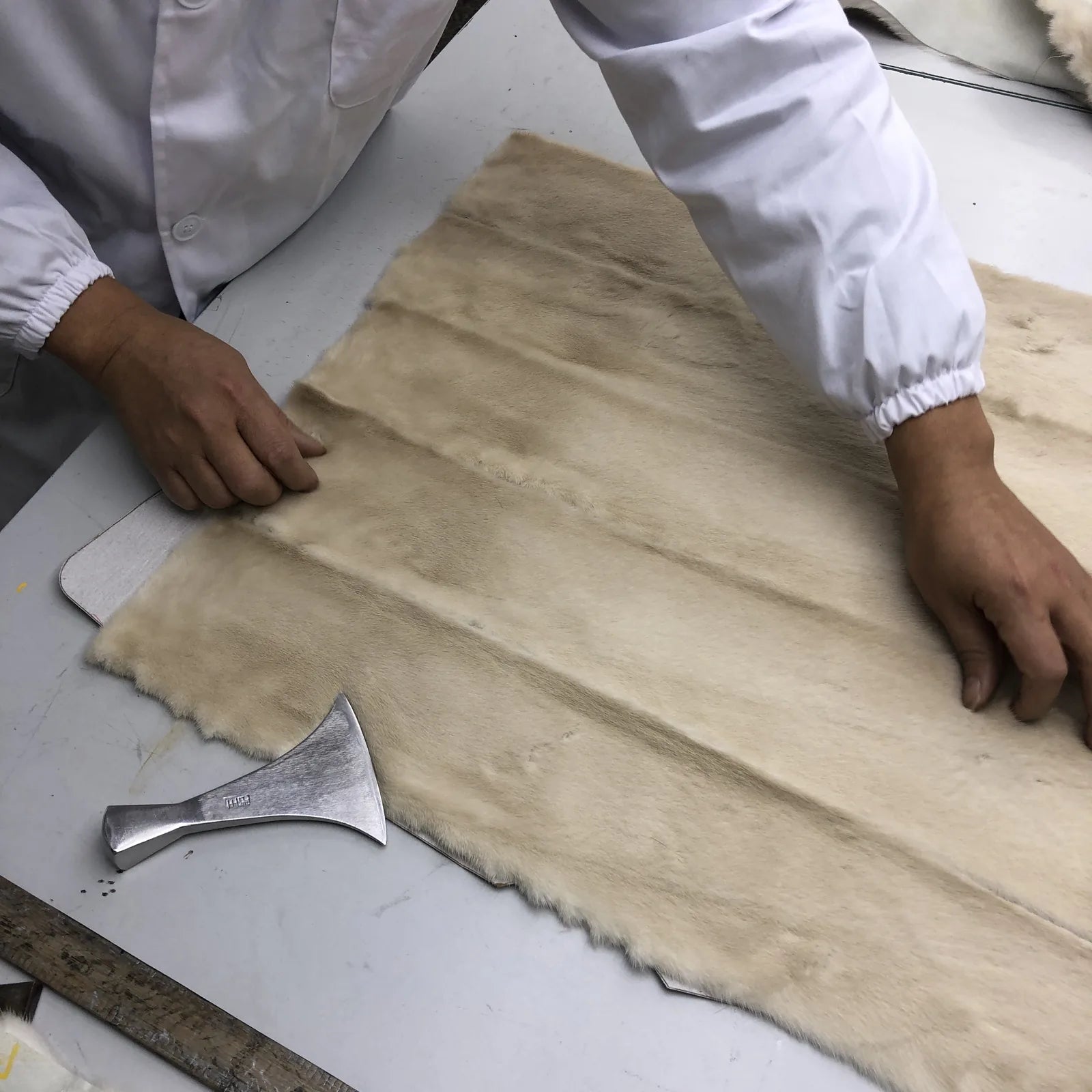
A valuable material still needs a wearable body
Measurements, sleeve movement, shoulder line and length can make the material feel usable instead of merely impressive.
Show the worn areas that matter for each material
A useful condition note does not use the same sentence for every fur type. Mink needs surface and backing confidence. Fox needs volume and matting notes. Shearling needs both surface and wool-side condition. Rabbit needs shedding and fragile-area honesty. Trim needs attachment and garment context.
| Material | Condition note should lead with | Second sentence should answer |
|---|---|---|
| Mink | Surface, backing flexibility, lining and odor | Construction, storage history, measurements and any cuff or hem wear |
| Fox | Volume, guard hair condition, collar and cuff shape | Shedding, matting, storage and whether the silhouette is easy to wear |
| Shearling | Outer surface, wool interior, seams and weight | Moisture marks, stains, odor, closures and weather-use limits |
| Rabbit | Soft surface, lining, shedding and visible wear | Pricing category, fragility, reversible construction or unknown material limits |
| Trim | Attachment, trim condition and shell condition | Hood/collar position, hardware, detachable proof and full garment use |
Four example situations
An inherited mink coat with a clean lining and flexible body reads better when it begins with the coat, not the sentimental history: mink coat, clean lining shown, soft surface, working closures, no smoke odor detected, measurements provided. Known history can follow if it is relevant. Wearability comes before the question of who owned it.
A dramatic fox jacket with healthy volume needs more than a single standing photo. Show the side volume, collar, cuff, lining and close guard hair. Then write the listing around controlled drama: full volume shown, cuffs photographed, no active shedding noticed during handling, best for statement winter wear or evening use.
A shearling coat with light surface wear is better described honestly than called flawless. Say the outer surface has light wear, show the wool interior, show seams and closures, and make the wearability case. Ease of wear on dry winter days is the relevant strength.
A rabbit coat with a soft patterned surface and a small worn area gains more from calm proof than inflated luxury language. Name the material if known, show the texture, show the worn area, use measurements, and price it as an approachable piece. That listing may earn more trust than a louder one.
Build a comparable set before you name a number
Search completed sales rather than active asking prices. Start with a coat of the same material and category, then match approximate length, size, maker, visible condition and construction. Exclude examples with a materially different buyer use. A short sheared mink jacket is not a clean comparable for a long unsheared coat; a fox-trimmed parka is not a full fox-fur coat; a reversible rabbit piece is not the same product as a plain vintage rabbit coat.
Write down three to five plausible sold examples if they exist, with the sale date and what each has that yours lacks. Several similar completed sales tell you more than one unusually high sale. When no close sold set exists, be candid that the market record is thin. A specialist appraisal may help identify material or construction, but an insurance replacement appraisal is not automatically the cash a reseller will pay. The vintage value guide separates these numbers.
| Coat being sold | Useful completed-sale search | Why a broad material search misleads |
|---|---|---|
| Clean short mink jacket with maker label | Short mink jackets with similar label, size and condition | Long coats and damaged pieces have different audiences |
| Full fox coat with collar flattening | Fox coats of similar volume and disclosed wear | Flawless fox photos hide the cost of visible wear |
| Shearling coat with worn suede cuffs | Similar shearling cuts with comparable suede wear | Wool-side photos cannot price a damaged outer face |
| Reversible rabbit coat | Reversible rabbit styles with both sides shown | Plain rabbit or current retail pieces answer another question |
The table is a way to choose the right comparison, not a material ranking. No single material “usually wins” without holding the garment, date, channel and condition constant. The strongest listing might still attract few buyers if the style or size is difficult to wear; a less prestigious material can sell more readily in a highly usable cut. Use the results to set a plausible range and a review date, not to promise a guaranteed sale.
Four coats can send four different buyers away
Mink with a glossy surface but hard backing. A strong label and attractive front image may draw attention, yet a buyer who opens the lining or handles the hem may reject the garment. Do not describe it as ready to wear until a furrier checks the structure. If repair is possible, compare the repair cost with completed sales for coats in the condition you could actually deliver.
Fox with striking volume but a flattened collar. The silhouette can remain compelling, but the collar sits near the face and shows in every try-on. Photograph the collar in neutral light and compare fox coats with similar wear. A dramatic model photo should not be the only view of the pile.
Shearling with intact wool and stained suede. A warm interior is not enough when the outer side is marked. Show the stain location and scale. If cleaning is uncertain, do not promise it will disappear; a specialist may tell you what treatment is feasible. Compare coats with similar outer-surface wear rather than clean examples.
Rabbit with a reversible design and sound seams. That design can attract a buyer who values the look and flexibility. Photograph both sides and the closure. Its resale case should come from comparable reversible rabbit garments, not from a blanket claim that rabbit is always cheap or from the current retail price of a new piece.
When repair changes the route
Repair can help when a contained issue blocks an otherwise strong wearable coat: a detached hook, a localized lining opening or a seam a furrier can reinforce. Structural dryness, widespread shedding or persistent odor is different. Paying for a cosmetic improvement while the backing is unstable may leave the same buyer objection in place. Ask for a written scope and estimate, then compare the expected net result with an honest as-is route or a keep/restyle decision.
On marketplaces, a condition category and return setting do not cure an inaccurate description. eBay's clothing condition guidance distinguishes visible imperfections and asks sellers to show and describe them; its buyer-protection rules can still apply when an item does not match its description. Check the current rules of the channel you actually use, then write the coat's observable facts in ordinary language. The pre-listing inspection is the final check before an asking price is attached.
When the coat is no longer an attractive resale candidate, a new purchase is a separate decision. Current FireladyFur product pages show contemporary construction, sizing and return terms; they do not establish historical resale values. Compare the product itself with your intended use rather than treating its retail price as proof of what an older piece should fetch.
 Compare a current mink garmentA present-day product can clarify cut and construction. It is not a sold-price comparable for a used coat.
The material name is only the first filter
Verify the animal and garment type. A label or specialist can support a material claim; trim and full-fur bodies belong in different comparison sets.
Inspect condition before price. Backing, odor, surface wear and closures can narrow the buyer pool regardless of species.
Match construction and use. A knitted, sheared, full-pelt or reversible piece needs a comparable garment with similar wear and shape.
Use completed sales for the number. Active asking prices and new retail prices are context, not proof of what an older coat sold for.
Choose a route that survives delivery. Wearable, repair-first and as-is descriptions should match what the buyer will actually open.
FireladyFur's material judgment
We would inspect and describe the specific coat before leaning on mink, fox, shearling or rabbit as a selling word. A current FireladyFur product may show what a known new construction looks like, while the used coat still needs its own condition proof and comparable sales. The Fur Coat Guide helps a shopper weigh material against wearability when the choice shifts from selling to buying.
Choose the comparison the coat deserves
Record the label, garment type, condition and measurements. Search completed sales that match those details, then decide whether the coat is wearable now, worth a specialist repair, or better described with a limited as-is use.
Which fur material has the highest resale value?
No material has a guaranteed resale ranking. Compare completed sales of coats with the same garment type, construction, size, condition and selling channel before deciding what your coat could bring.
Can a rabbit coat still be worth selling?
Yes. A sound rabbit coat with an appealing cut can attract a buyer. Compare it with similar sold rabbit garments and show both the appealing details and any wear.
Does shearling need different photos from mink or fox?
Yes. Show both the wool side and the leather or suede outer face, including cuffs, seams and stains. Mink and fox buyers also need views of the surface, lining, accessible backing and closures.
Can a new fur coat's retail price establish my vintage coat's resale value?
No. Current retail describes a different transaction. Completed sales of comparable used garments are the appropriate starting point for an asking range.


