


Article Summary
A shearling resale description needs both outer leather or suede and inner wool, accessible seams and closures, marks, measured weight and dimensions. Photographs cannot establish odor, hidden flexibility, warmth or weather tolerance.
After the material value overview, evaluate this shearling coat through both surfaces, accessible seams and closures, measured weight and dimensions. Check its actual care instructions rather than deriving a weather rating from appearance.
| Shearling evidence | Useful question | Limit |
|---|---|---|
| Outer leather or suede | Where are marks, shine, cracks or a stiff area already noticed? | A photograph does not establish moisture history or flexibility. |
| Inner wool | Where is flattening, thinning, matting or staining visible? | Odor is a separate observation, not an image result. |
| Seams and closures | What is visibly open, missing or safely observed to work? | Hidden strength and normal wear may remain unassessed. |
| Weight and dimensions | What was measured without stressing the coat? | Weight is not warmth or seated comfort. |
Show Both Surfaces and State What Photos Cannot Tell
Photographs show texture and visible wear, not an odor check, a temperature rating or the cause of a stain. Record an odor noticed in person separately; if you have not examined the coat yourself, say so. Describe a dark mark by position and size unless its cause is known. A clean photograph also cannot establish that an older panel is flexible under use.
A shearling buyer needs the outer suede or leather side and the inner wool side. Photograph the inside the way you would photograph a lining in a fur coat. If the photo set is thin, use material photos that support resale trust and then the broader resale listing photo article.
Photograph the outside, the wool interior, cuffs, collar, seams, pockets and hem. If the coat is reversible or the wool is visible at the collar and cuffs, the buyer will inspect those areas first.

Record Seams, Closures and the Worn Areas
| Part | Record the current evidence | Keep unverified claims separate |
|---|---|---|
| Outer surface | Full and close views of visible nap/finish, discoloration, scratches, marks or cracks. | Cause of a stain; flexibility and treatment outcome. |
| Wool interior | Full accessible wool side, cuffs/collar and flattening, thinning or matting. | Odor, temperature rating and warmth. |
| Seams and pockets | Accessible shoulder, sleeve, underarm and pocket attachments; existing gaps or loose stitches. | Whether a hidden panel will hold a repair. |
| Closures | Present/missing parts and gentle operation only if the garment is stable. | Strength testing or forced alignment. |
| Fit and weight | Measured dimensions, whole-garment weight and any area left unmeasured. | A claim that heaviness proves warmth or that a photograph proves mobility. |
Separate a Mark from Known Moisture Exposure
Show an unexplained mark by position and size, and leave the cause unknown. A water-looking outline is not a diagnosis of moisture damage. Ask a specialist about stains or stiff panels before promising that cleaning will remove them.
State moisture or salt exposure separately only when known. For odor or stiffness already noticed, use odor and dryness resale guidance before offering normal wear.
Report Weight and Dimensions Without a Warmth Claim
Give the coat's actual weight if it can be weighed without stressing it. Tare a suitable container, support the whole garment inside, and report the result in pounds and kilograms; do not suspend it from a sleeve or a hook scale. A weight helps the buyer compare coats but is not a warmth rating. Fit, coverage, closures, wind and the layers underneath still affect comfort.
Let the buyer compare the measured weight with a coat they already use. Heaviness does not establish durability or daily comfort; stiffness requires assessment rather than movement to test it.
Photos can help by showing length, thickness and how the coat hangs. Measurements help the buyer decide whether the weight is worth it.
Describe Intended Use Within the Actual Care Limits
Provide actual dimensions, weight and documented care so a reader can consider walking, driving, carrying a bag and indoor storage. The shearling care comparison explains care differences; it does not give this older coat a dry-weather or wet-commute rating.
Useful shearling wording names the outer mark, wool condition, accessible seams, closure status, measured dimensions and weight. Describe odor separately when already noticed; omit a warmth or weather claim that has no basis.
State the care instructions you can actually document and any known use history. Do not give an older coat a dry-cold or wet-commute suitability claim just because it is shearling or looks clean in a photograph.
Compare a Replacement After the Condition Assessment
For a wider warmth comparison, use fur vs shearling warmth by construction. The used coat still needs its own condition assessment; that comparison does not supply a resale value or certify its current performance.
Compare the replacement's care instructions, measurements and weight with the older coat before deciding that buying another is the easier option.
Compare any quoted repair or cleaning work and known moisture history with the replacement’s actual care, dimensions and weight. Then decide whether keeping, listing or replacing the coat fits your needs; a retail example is not a used-sale price reference.
Shop shearling coatsUse current shearling pieces as a practical wearability comparison.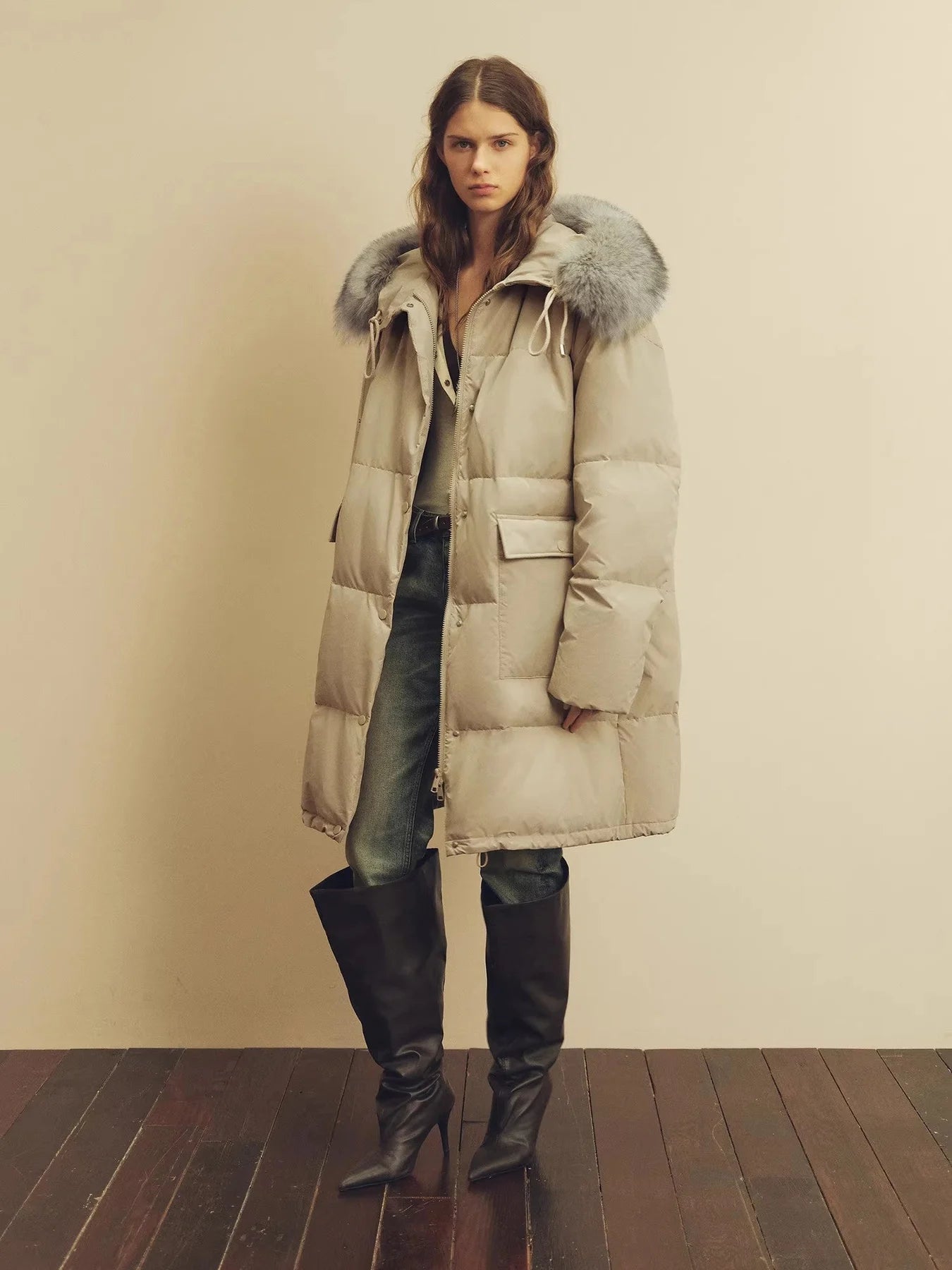 Explore winter outerwearConsider replacement when repair or cleaning risk is high.
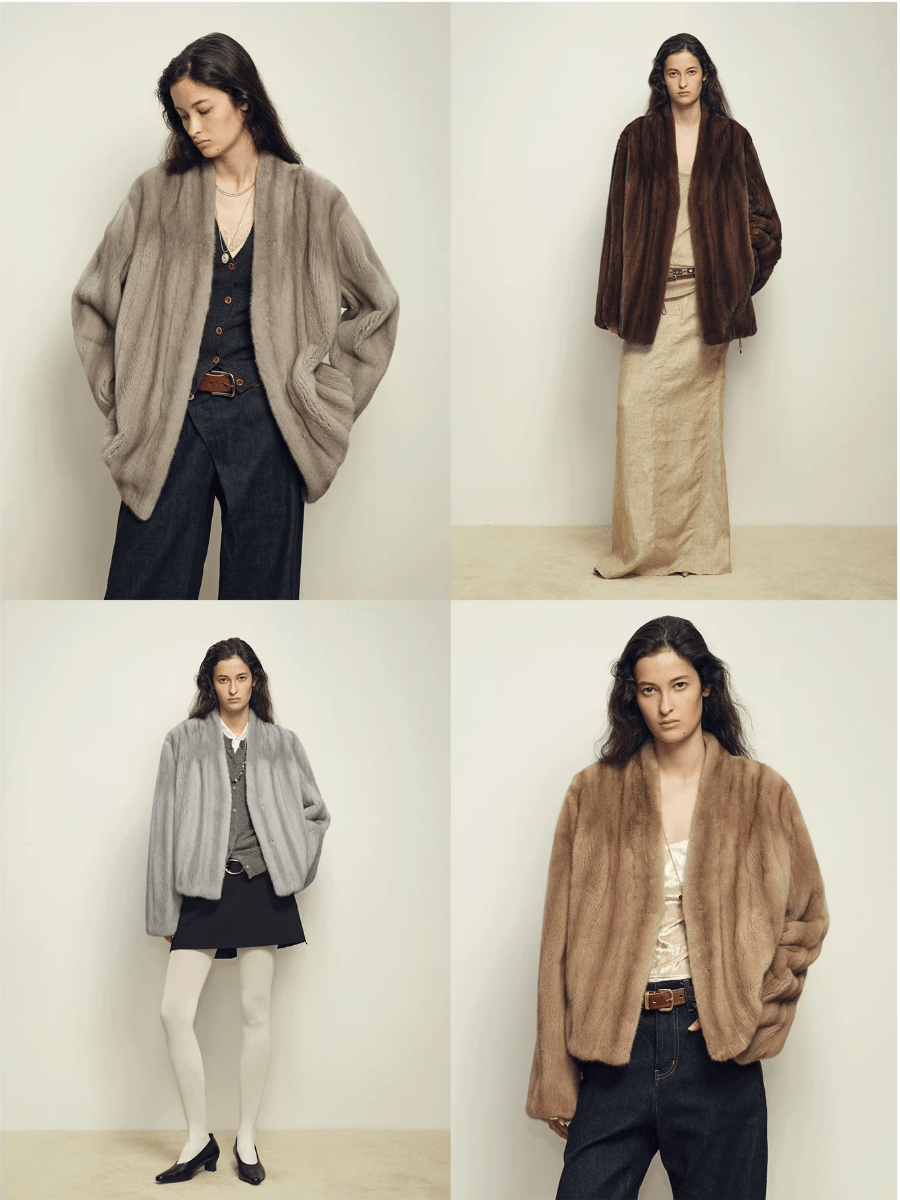 Compare full furUse when the material decision moves back to full fur.
Assemble the Current Condition Note
Before publishing, check that the note names both surfaces, relevant marks, seams, closures, measurements and any known moisture history. State which areas were not examined or measured rather than letting an attractive full view imply a complete assessment.
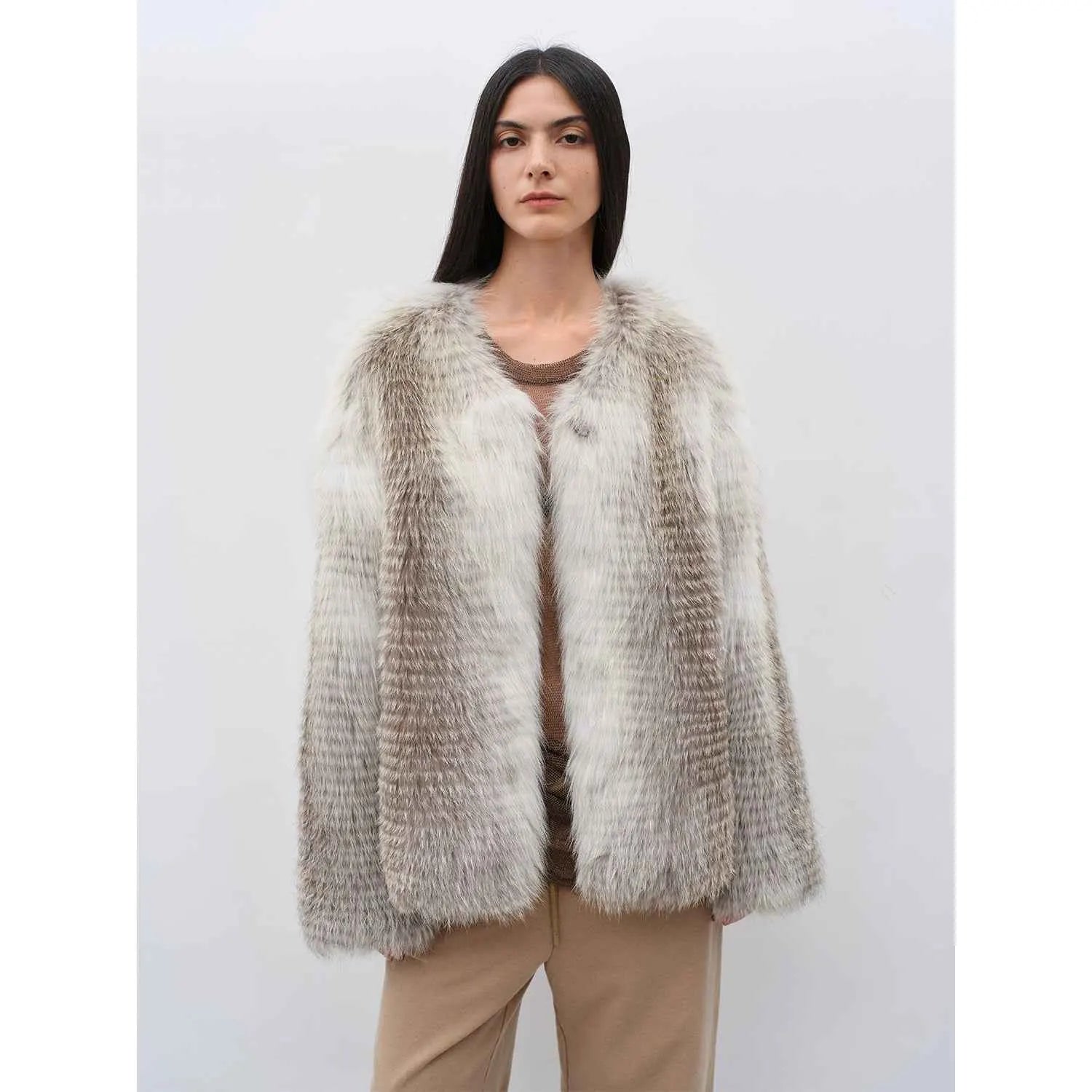
Describe the Present Garment
Keep an unassessed skin, seam or care question explicit. A clean-looking photograph does not establish that the coat is ready for ordinary wear.
Keep the Two-Surface Comparison Practical
Show both surfaces. An outer mark and wool-side flattening are different observations.
Separate history from appearance. A water-looking mark does not identify exposure, and a clean image does not establish odor.
Report safely measured weight. It helps comparison but is not a warmth rating.
Check care before choosing a replacement. Compare actual instructions, dimensions and any quoted work rather than an assumed winter-use category.
FireladyFur's shearling resale standard
FireladyFur separates shearling from full-fur resale because the buyer reads it as a wearable coat first. The Fur Coat Comparison Guide can compare warmth and material, but the resale page should begin with surface, wool and seams.
A shearling listing should distinguish known moisture exposure from an unexplained mark, visible wool condition from an odor observation, and measured weight from warmth. These details let buyers compare the garment without assuming that a clean image proves every claim. Read about FireladyFur and our editorial standards.
Sell shearling through proof of ordinary wear
Describe both surfaces and the measurements you could obtain safely. If stains, odor or stiff panels leave wear or treatment uncertain, seek assessment and state that limit before choosing the sale description or price.
What makes shearling valuable for resale?
Current outer and wool-side condition, accessible seams and closures, actual measurements, safely measured weight and known care history help evaluate the garment. None supplies a fixed resale value; compare similar used coats and leave unassessed areas explicit.
Does shearling need different photos from fur?
Yes. Show both the outer suede or leather side and the inner wool side, plus cuffs, collar, seams, stains, hem and areas touched by bags or seats.
Can shearling damage be repaired before selling?
Some seam or lining issues may be handled by a specialist, but moisture stains, hard panels, odor or broad surface damage can be difficult. Get professional advice before promising repair.


