


Article Summary
Faux fur can be the right choice for personal material preference, a particular style or a workable budget. It can also be regular winter outerwear when the actual coat provides the closure, lining, coverage and fit you need. Check its care label; faux does not automatically mean washable, weatherproof or short-lived.
Choose faux for your material preference or the coat you want
If you do not buy animal fur, compare coats within that preference. You do not need a budget or a short trend cycle to justify it. If both materials are acceptable, a particular faux coat may still be the one whose color, shape, price and care requirements suit you best.
A faux coat can still feel scratchy, overheat indoors, gap at the front or have weak seams. Those are reasons to reject that garment. They do not make every faux coat a temporary purchase, and an attractive surface does not excuse poor construction.

Match the style and budget to actual use
A dramatic color, party-season silhouette or costume-adjacent outfit may be a short style experiment. If that is your plan, decide what price and care effort make sense for the expected wears. A faux coat can serve that role, but it can also be bought for repeated use; the brief style window comes from your wardrobe plan, not the material label.
For a coat you expect to wear repeatedly, the real-fur and faux-fur comparison brings warmth, care and construction into the same decision. Compare garments that meet your material preference.
Short style cycle
A bold color or silhouette can serve a short experiment or become a repeat outfit. Budget for the use you expect.
Compression risk
Check luggage space, weight and hotel hanging arrangements; faux pile can also flatten under pressure.
Uncertain use
Ask about the shell and care instructions. A faux pile alone does not establish rain or wind protection.
Compare the purchase price together with foreseeable cleaning and repair. For frequent wear, check whether the lining stays flat, fasteners hold as you walk and the pile at cuffs or bag-contact areas is already crushed. A higher price is only useful if the actual construction and expected wear support it; the cheaper label alone says nothing about cost per wear.
Use the lifespan and replacement-cost page when the cheaper option only looks cheaper because replacement is not being counted.
| Use case | Why faux may fit | What still needs checking |
|---|---|---|
| One-season statement | A specific look fits the planned spending and occasions. | Pile condition, lining, closure and cleaning cost. |
| Travel | The actual coat fits luggage and destination use. | Weight, packability and hanging space; no compression-proof assumption. |
| Mild winter | This garment provides enough coverage and protection for the route. | Wind, collar, closure and indoor comfort. |
| Personal material preference | Faux meets the buyer’s decision not to use animal fur. | Fit, construction and care within that preference. |
When using the buying guide, apply its construction and fit questions to the materials you accept. If you want a long-term everyday faux coat, ask about the particular backing, seams and repair options rather than assuming that an heirloom is possible or impossible from the label alone.
Check warmth, closure and coverage for daily wear
A thick-looking pile does not reveal what lies underneath. A faux-fur coat with a secure closure, substantial lining or added insulation, sufficient length and room for layers can work as regular winter outerwear for a particular climate and route. A thin open-front style may be cold even when the fibers look dense. Compare the finished coat with the actual cold, wind and time outside rather than excluding faux from daily wear by category.
Compare animal-material alternatives only if they fit your preference
These collections contain animal materials. If those materials are acceptable to you, compare fur-trim parkas, shearling coats or Artisan Fur against the same weather and fit requirements. If you exclude animal materials, continue comparing suitable faux or other non-animal outerwear instead.
For daily winter use, check the neck and wrist openings as well as the body of the coat. Close it over your usual knit, reach forward and sit: a lining that twists or a front that pulls apart can leave the same garment uncomfortable on a commute even if it looks substantial in a photograph.
Plan for travel, friction and the stated care method
Seat belts, shoulder bags, crowded wardrobes and public transit expose either type of coat to friction and compression. A faux coat may feel less worrying to pack if its price and care needs suit the trip, but it is not automatically more resistant to rubbing. Check pile at the contact areas and make space for the coat at the destination. For wet streets, verify protection separately.
Care questions still apply. Read real vs faux care before assuming faux fur is carefree.
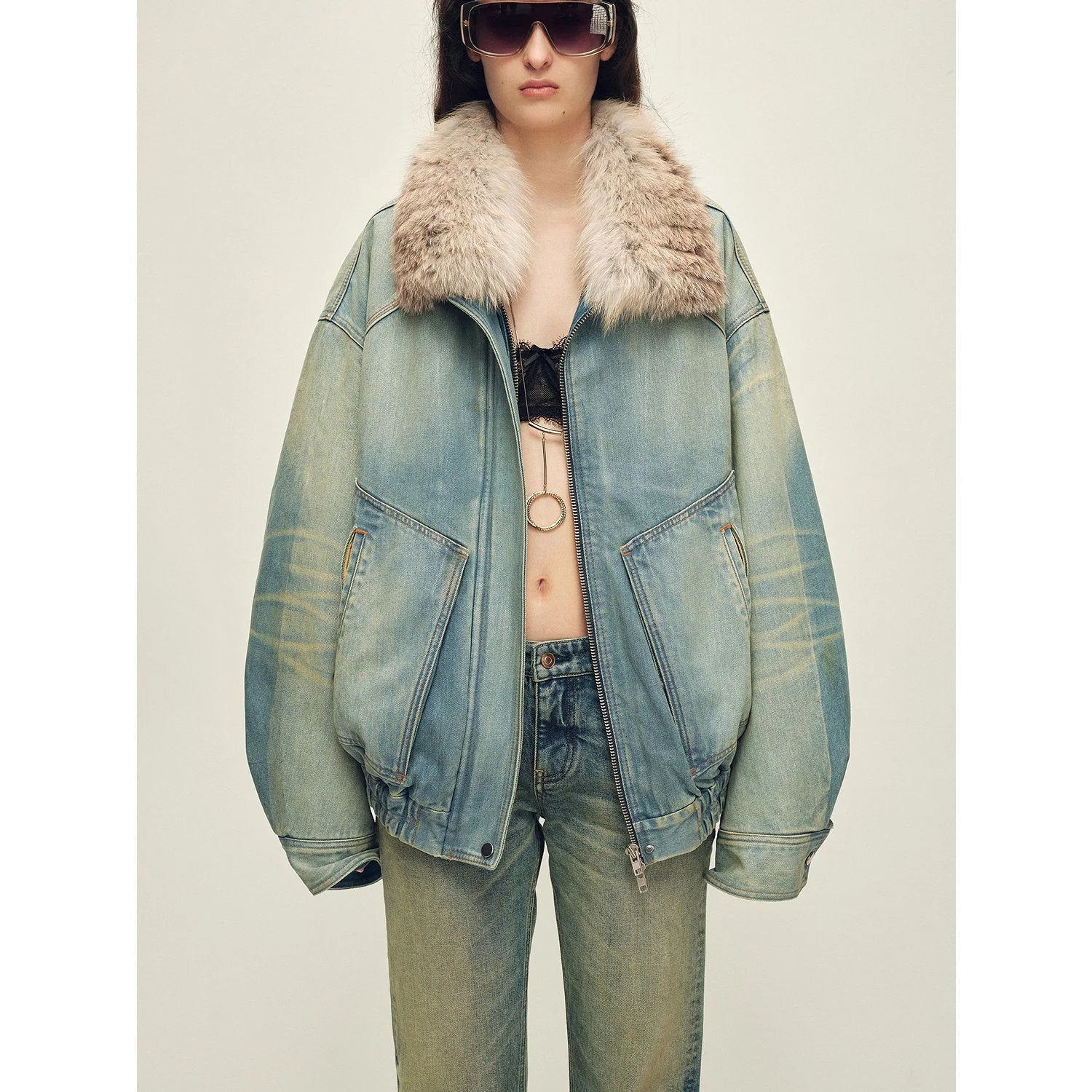
Travel needs a storage and care plan
Compare the actual weight, luggage space, pile condition and destination hanging arrangements. Material preference does not settle these practical checks.
Read the label before selecting a cleaning or drying method. Unreal Fur specifies professional dry cleaning for its faux garments and advises a broad hanger with clearance to avoid flattening. Those are that maker’s directions, not a method for every faux coat. Do not assume your purchase can go into a washer or be restored with heat.
FireladyFur advice for faux-fur decisions
FireladyFur advises checking the finished coat against the buyer’s material preference, ordinary route and care budget. A faux coat can be chosen for occasional styling or for repeated winter wear. Its closure, lining, fit and maker’s care instructions must support the intended use.
Reject a specific construction failure, not the material category
Inspect the coat that you are being offered, especially a used piece. Compare cuffs, elbows and bag-contact areas with areas protected from rubbing. Look for matted or missing pile, a visible textile base, loose stitching and fasteners that pull away from their attachment. Ask whether the damage can be improved before assuming it is only a cosmetic issue.

Reject a coat if its openings, coverage or construction cannot serve the route, if existing damage has no acceptable treatment, or if its care method is beyond what you can arrange. You can then look for another faux coat with different insulation or construction. Only compare real fur or shearling if they meet your material preference; changing material is not a required response to one poor garment.
Read the label and closed-front fit
Read the fiber and lining information, inspect fasteners and confirm that the front closes over your real layer. Ask about insulation if it is intended for winter cold.
Match the coat to the planned days
Check the actual coverage for repeated cold, the packing demands of travel or the shape wanted for an occasional event; choosing faux does not limit it to occasional wear.
Arrange its stated care
Confirm cleaning, drying and hanging requirements before paying. A faux label does not mean machine-washable, safe for heat or free of storage needs.
Faux fur alone does not promise warmth, easy care or a long life. Read the fiber and care labels, inspect lining and fasteners, and ask about insulation when the coat is meant for cold weather. Those checks matter whether this is a seasonal style or a long-term everyday purchase.
| Question | What to check | What changes the answer |
|---|---|---|
| Will it close over the intended layer? | Use a closed-front view, measurements and the actual sweater; ask about lining and added insulation. | If the required fit or construction details are missing, request them before relying on a warmth claim. |
| Are the pile, lining and fasteners sound? | Inspect rubbed cuffs, elbows and bag-contact areas, loose stitching, matted pile and closure attachments. | Ask whether visible damage has an acceptable treatment instead of assuming the faux coat is easy to restore. |
| Need to compare both materials? | Read the real-fur versus faux-fur guide | Compare care, construction and how each finished coat fits the days you will wear it. |
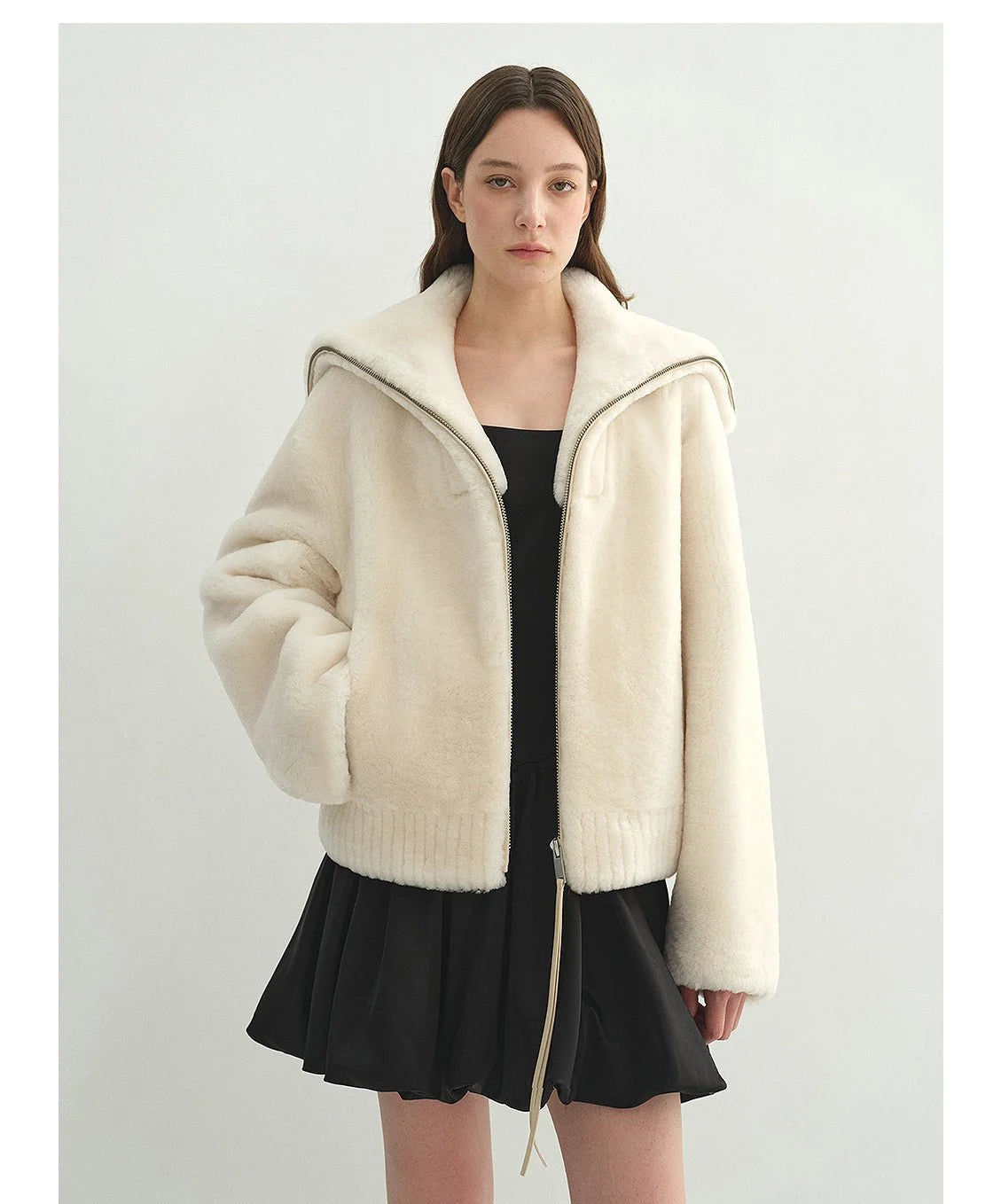
Inspect the lining and fastening attachments
Check whether the lining hangs without twisting and whether stitching at the closure, underarm and pocket holds securely. Existing gaps, loose attachments or matted contact areas need an acceptable remedy before purchase.
FAQ
When is faux fur the better choice?
Faux fur may be the right material for personal preference, budget or style, and a well-insulated, well-closed faux coat can also serve daily winter wear. Judge warmth and care from the finished garment.
Is faux fur only for cheap coats?
No. Faux fur can be a deliberate choice, but construction, lining, closure and recovery still matter.
When should I avoid faux fur?
Avoid a specific faux coat if it cannot meet your cold-weather route, its pile is already flat, or its construction cannot support the repairs you may need. Do not rule out all faux fur by category.


