


Article Summary
Real fur is worth the higher cost only when the coat has a real job: cold weather, repeat wear, material depth, specialist care and a wardrobe role that will last.
When does paying more for real fur make sense?
A higher price is worth considering when a particular real-fur coat has a clear place in your winter wardrobe, its construction and condition stand up to inspection, and you can support the care it needs. Real fur is not automatically the warmer, longer-lasting or better-value choice. A beautiful coat that rarely leaves its hanger will not earn its premium through material alone.
Imagine the purchase as three separate decisions. Would this length and weight serve the weather and occasions you actually face? Is the coat itself well made and sound? Can you store, clean and wear it without treating every outing as a risk? A “yes” to the first question cannot cover weak seams or a care plan you cannot follow.
A named winter role
You can name the days, outfits and temperatures for which this coat is the right outer layer. Repeat wear is plausible, not imaginary.
Quality you can inspect
The material, lining, closures and fit support the asking price. A label or luxurious photograph is not the inspection.
Care you can arrange
You have enough hanging space and access to appropriate cleaning, storage and repair. The ongoing bill is part of the purchase.
Failing a gate does not make real fur a bad material. It means this coat, at this price, may be wrong for this owner. That distinction prevents a comparison article from pushing every reader toward the most expensive item.
What the premium may be paying for
Real-fur garments are made from pelts rather than a continuous synthetic-pile textile. Matching the material, arranging the direction of the hair, cutting the pieces and joining them without disrupting the silhouette can require specialist work. The American Fur Council describes that production from the fur trade's perspective. It explains a possible source of cost, not proof that every coat offered at a high price was carefully made.
Look for the results rather than accepting a craft story. From the outside, the coat should hang evenly at the shoulders, close without twisting and keep its intended shape when you move. Inside, the lining should sit comfortably and the closures should feel secure. A new coat and a vintage coat can both fail those checks. Likewise, a lower-priced piece may be the better garment if it fits and wears more convincingly.
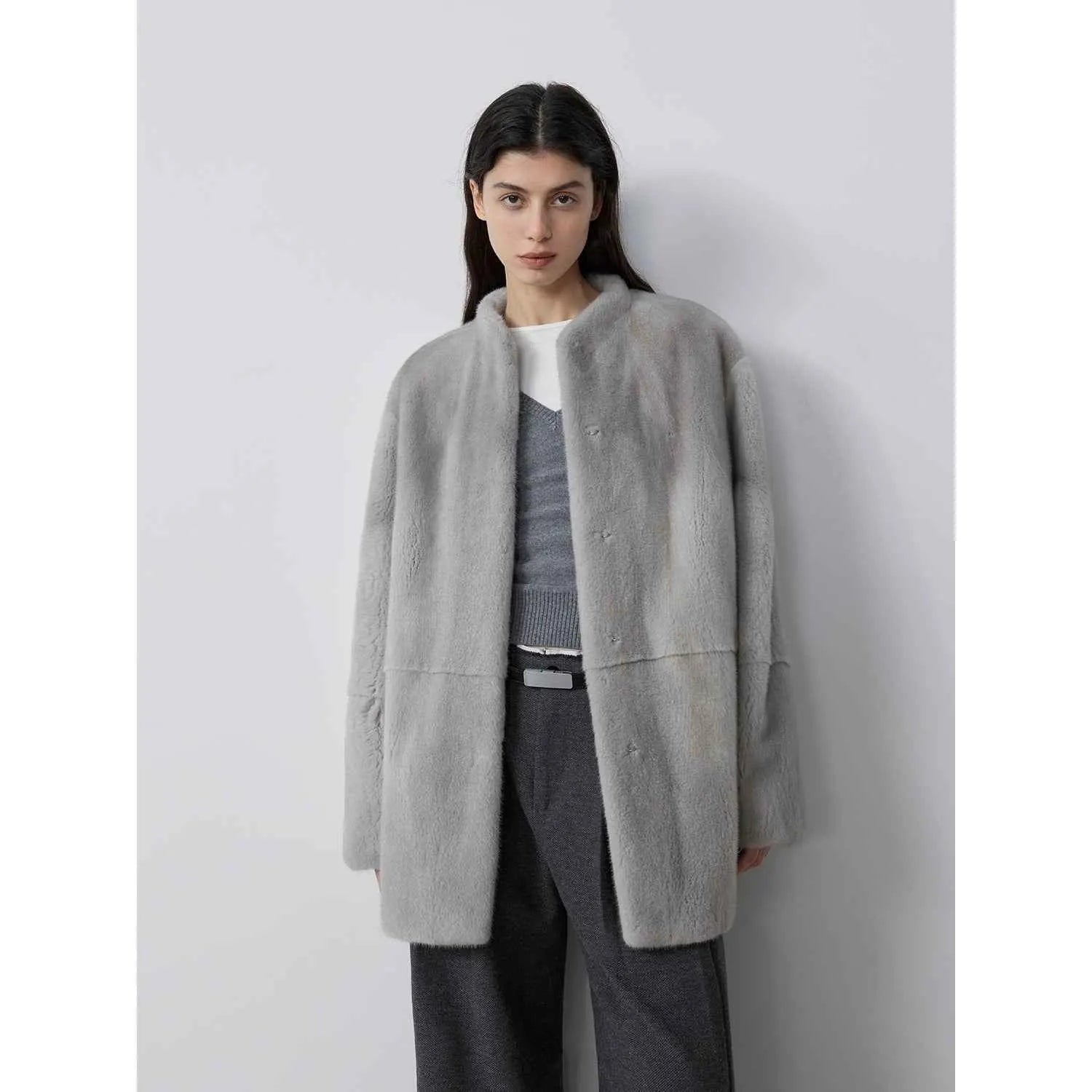
Read the label as a starting point. In the United States, FTC guidance for fur labeling separates animal name, origin, treatment and responsible business information. Those facts tell you what is being represented; they do not grade the pelt, certify a vintage claim or establish how well the coat was stored. For a used piece, a furrier's inspection is sensible when the backing or previous repair will materially affect the purchase.
Compare coats with the same job, not the same marketing word
A long, fully lined real-fur coat and an unlined cropped faux jacket do not offer the same coverage. If the first is warmer on a cold day, length, closure, lining and air space may explain much of the difference. Begin with similar lengths, sleeve coverage, opening and intended temperature. Then compare how each one moves and feels over a normal outing. The warmth and winter-use comparison goes deeper on insulation and wind.
| Hold constant | What to compare | Why it matters |
|---|---|---|
| Coverage | Length, collar, sleeve opening and how completely the front closes. | A short jacket can feel different from a long coat regardless of fiber. |
| Fit | Shoulder placement, room for a winter layer, reach and seated comfort. | An expensive coat that pulls at the back will be worn less. |
| Construction | Seams, lining, closures and whether the garment keeps its shape in motion. | Price and a material name cannot compensate for weak assembly. |
| Condition | Wear at cuffs, pockets, hem, collar and any stored or repaired area. | A used real coat and a new faux coat start from different condition states. |
| Care service | Real-fur specialist access versus the faux coat's exact sewn-in label. | Both can carry ownership costs, although the processes differ. |
Premium faux fur exists. An Apparis faux-fur coat listing describes a lined, tailored coat with a dry-clean instruction. It is not the same product as a cheap costume layer, and it should not be used as the “faux” side of a comparison without its construction and service needs. Equally, “real” does not guarantee dense fur, stable backing or a flattering cut.
Inspect the actual coat before the premium feels justified
Begin with the parts that will bear weight and friction. Check that the shoulder line stays level; sit down and close the front; move your arms as you would in a car. Notice whether the lining pulls when you reach. Examine the cuffs and pocket openings where hands and bags repeatedly touch. A coat that looks superb in a static front photograph may feel cumbersome after five minutes.
Inspect the garment
Read the material and care information, inspect the finish inside and out, and use the return window to test movement with the layers you would actually wear. Keep the receipt and care record.
Ask about history
Request clear views of lining, cuffs, closures, hem and any repair. Odor, stiff backing or widespread shedding deserve specialist assessment before an optimistic lifespan or resale story is priced in.
Do not pull apart a seam or stretch an old pelt to test it. Unclear condition at a price-sensitive area calls for a qualified furrier. The American Fur Council's repair guidance explains why proper fur repair differs from ordinary cloth mending and may require work beneath the lining. Repair potential is useful only when the surrounding material can support it.
Ask the seller one further question: what, exactly, explains the difference between this coat and the less expensive alternative you tried? “Luxury” and “heirloom” are not observations. A stronger answer points to the cut, material, lining, garment condition and the result on your body. If the explanation rests entirely on a brand name, the premium has not passed inspection.
The use and care plan can strengthen or erase the case
Real fur can be sensible for someone who wears a coat through many cold days, has the closet room to avoid crushing it and is willing to arrange specialist service. The same coat may make little sense in a mild climate, for a single event or for a person whose travel and storage routine will keep it compressed. Buying power is only one part of readiness to own it.
The fur trade recommends broad-shouldered hanging, space between garments, specialist cleaning and appropriate seasonal storage. These are not decorative extras: the care guidance relates them to the garment's backing and wear. A buyer should ask what local service costs and whether the coat will be used enough to justify that routine. The narrower real-versus-faux care guide keeps each material's cleaning path separate.
Personal priorities belong in the decision too. Someone who does not want to wear animal fur does not need a cost-per-wear argument to override that choice. Someone who already owns a sound vintage coat may evaluate continuing to wear it differently from buying a new one. The question here is when a particular additional purchase is worth its higher price, not a universal verdict on every material or shopper.
When the higher price is hard to defend
A repairable flaw is still a flaw until a specialist has inspected it. A loose hook may be modest work; odor, shedding, a weak backing or widespread damage changes the purchase. Obtain a specialist assessment before paying for a condition you cannot see clearly. If a seller will not show the lining, closure and worn areas on a used coat, that uncertainty belongs in the price decision rather than in an optimistic story about restoration.
Check the complete garment before paying extra for warmth. A lined faux coat with good coverage may suit the intended trip better than a real-fur jacket whose sleeves are short or whose front falls open. The reverse may be true for two other coats. Try them with the same sweater, sit down, and see where the collar and cuffs land. That ordinary comparison removes much of the mystique from the premium.
Finally, a price advantage disappears when the buyer changes the job to flatter the purchase. If the coat is for one formal night, price it as an occasional piece. If the main need is a reliable commuter layer in wet, variable weather, the right comparison may be a parka rather than any fur coat. A high-quality garment can still be the wrong purchase for the stated role.
Choose the quieter coat if it will do more work
The most expensive or longest-haired coat is not necessarily the best premium purchase. A controlled silhouette may layer under a car seat belt more comfortably, fit more settings and ask less from the rest of the outfit. A dramatic collar or extended hem may be exactly right for occasional formal use, but that is a different job. Try both with the shoes, bag and indoor destination you expect to use most often.
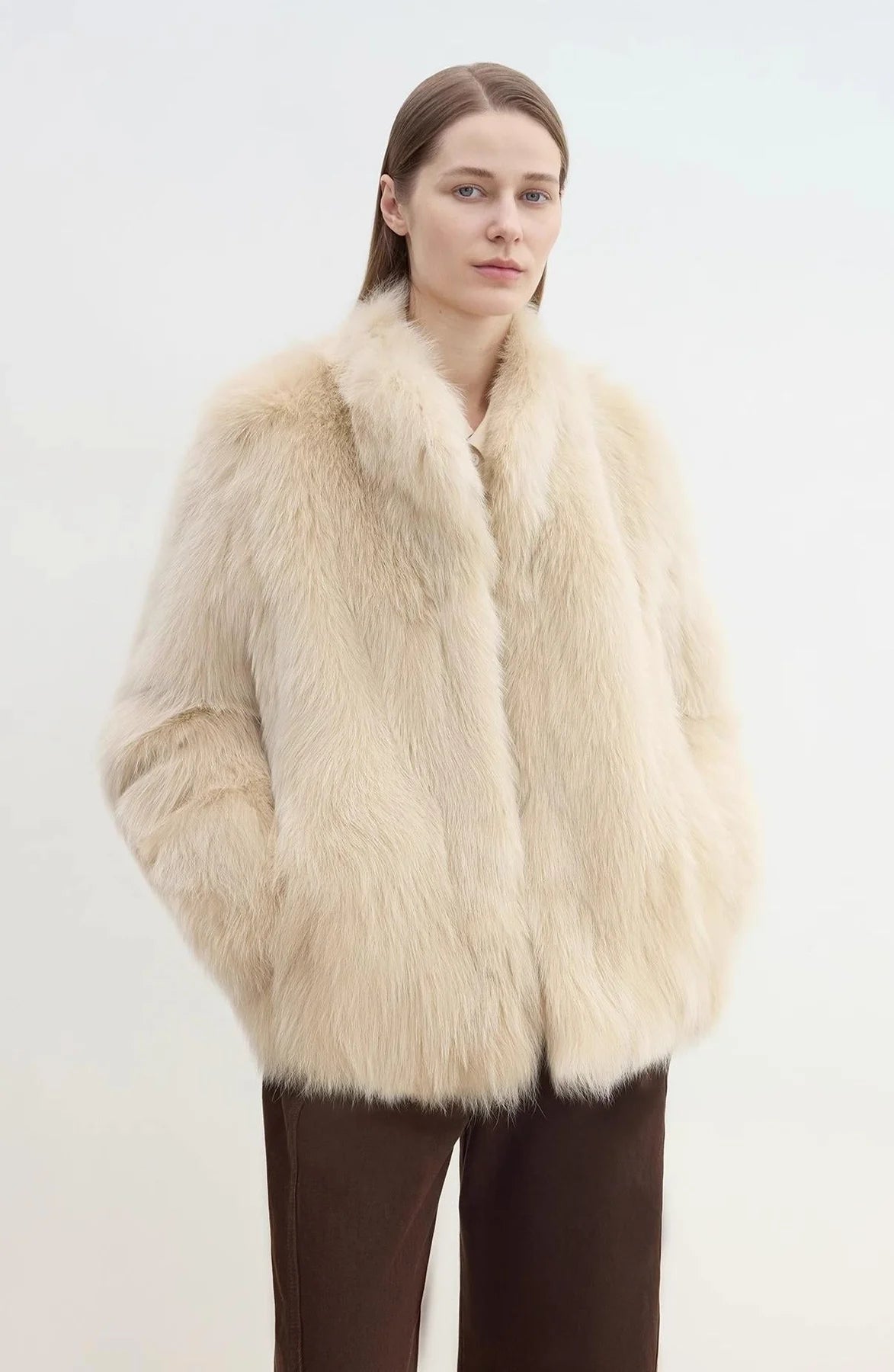
The same restraint applies to a bargain. A faux coat that fits, has a care label you can follow and will be worn for several winters can beat a premium real coat that sits unused. A sound used real-fur coat may offer a different entry price, but condition and care history then become central. The long-term cost guide gives a transparent way to compare those ownership paths without assuming a fixed lifespan.
Make the premium a garment decision
Before checkout, state the use in one sentence: “This coat is my cold-weather layer for weekly winter evenings,” for example. Then name the less expensive coat you considered and the specific difference you saw in coverage, construction or fit. Finally, put the care plan and cost beside the purchase price. If the reasoning still works in ordinary language, the premium may be justified for you.
FireladyFur's judgment on paying more
At FireladyFur, we favor an inspectable, repeat-wear coat over a costly material story. The shoulder, closure, lining and condition should hold up after the first impression, while storage and service must fit the owner. A buyer should be able to walk away from a weak real-fur coat without feeling that the label alone was an opportunity lost. Our editorial standards keep trade and brand claims distinct from what the particular garment proves.
Compare the coat that fits your winter
If a real-fur coat passes the use, construction and care tests, explore FireladyFur's artisan-fur silhouettes with the same inspection questions. For frequent driving or changing weather, compare a fur-trim parka or shearling coat before deciding that a full fur surface is the right tool.
If you are still choosing between the material families, the real-versus-faux guide covers the broader trade-offs. When the lower-cost option already answers your wardrobe need, read when faux fur makes more sense before paying a premium you may not use.
FAQ
When is real fur worth paying more for?
When the particular coat serves a repeat winter role, its construction and condition pass inspection, and the owner can manage its cleaning and storage. A material name or striking image alone does not justify the premium.
Does a real-fur label prove the coat is high quality?
No. A label can identify material, origin and other required information, but it does not grade the seams, backing, lining, fit or storage history. Inspect the coat and seek a furrier's assessment when a used garment's condition affects the price.
What should I compare with a faux-fur coat?
Compare similar length, coverage, closure, lining, fit and condition for the same weather and occasion. Otherwise, differences in the complete garments may be mistaken for a difference caused by fur type alone.
Can resale value make a high price worthwhile?
Possibly, but only when likely net proceeds are supported by comparable completed sales and the coat's condition. Do not treat a seller's asking price or an old insurance appraisal as cash you will recover.


