


Article Summary
Repair before selling when the coat is fit for the work, the fix solves a specific problem and the expected net proceeds justify the bill and delay. Otherwise, disclose the flaw and compare an as-is sale. A new hook or lining repair does not establish the condition of the whole coat.
Check the parts a buyer touches first
Before paying, look over the coat with its weight supported. Note loose hooks, missing belts, visible lining tears and open seams without pulling them or opening stitched lining. Do not tug fur or flex the backing to test strength. If the coat is brittle, makes cracking sounds or sheds clumps, stop the try-on and ask a furrier to assess it before fastening or lifting the sleeves. A useful estimate identifies the damaged part and whether the surrounding pelt can hold the repair.
If the coat has not been inspected yet, use the pre-listing inspection checklist first. Repairing a loose hook on a coat with damp odor or hard backing usually does not solve the real sale problem.
Separate a local fault from a larger condition problem
A loose hook, lining catch or local seam opening can interrupt use even when the rest of the coat is sound. The furrier needs to assess the surrounding material first; a visible small fault may have a larger cause.
The most useful repairs often overlap with repair costs that usually make sense. The work should let the buyer put the coat on, close it, move the arms and hang it without planning another errand.
| Flaw | Repair may help | List as-is may be better |
|---|---|---|
| Loose front hook | The rest of the front is stable and the coat has been assessed as fit for the proposed work. | Several closures are weak or the leather feels noisy. |
| Small lining tear | The tear catches the hand but the lining is otherwise clean. | The lining is stained, brittle or pulling away widely. |
| Open seam | The seam is local and the coat moves softly. | Several seams show stress or hair releases nearby. |
| Missing belt loop | The coat needs the belt for shape. | The coat photographs and wears cleanly without the belt. |
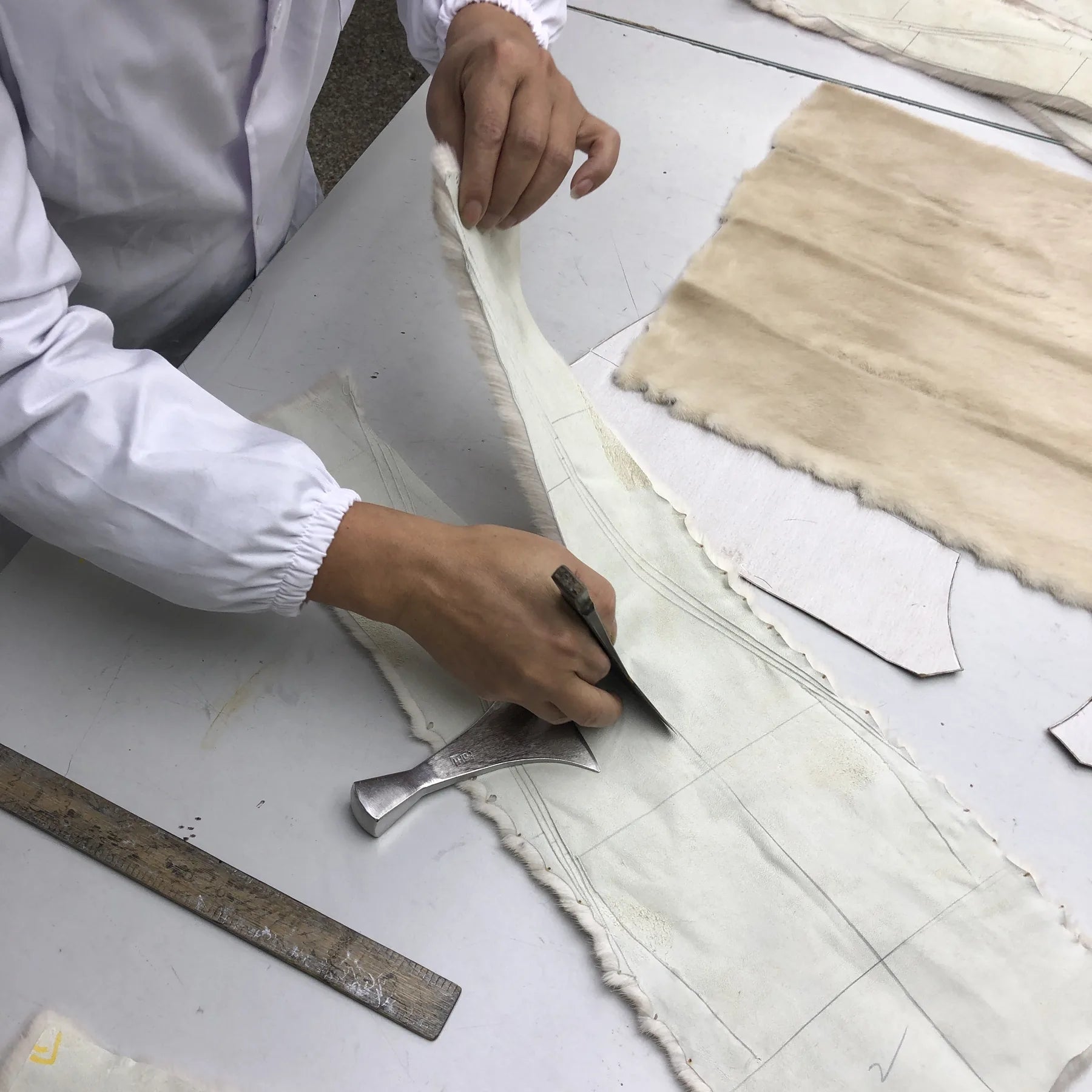
The best repair is easy to explain
A front closure repair, small lining tack or seam reinforcement can be photographed. That reads better than calling the whole coat restored.
Hard backing, dry crackling, active shedding and damp odor change the job. A new hook does not make stiff leather flexible. A fresh lining tack does not remove smoke. A seller should check hard leather in older fur and shedding risk before paying for small cosmetic work.
Odor needs its own decision. If the coat smells of smoke, damp storage or mothballs, use odor treatment before selling before writing a repair plan.
Pause first. Describe the larger issue, then decide whether the coat should be sold as wearable, sold as a project, or taken to a local furrier before it is listed.
Get the scope and total in writing
Ask whether the repair is local or whether it points to a larger weakness. A local closure repair is different from closures pulling because the leather has dried.
Ask whether the repair will be visible, whether it changes measurements, and whether the surrounding area is strong enough to hold the work. These questions help the seller avoid paying for a repair that fails again during buyer handling.
Ask for wording the seller can use. The best repair note is not fancy. It tells the buyer what was fixed and what to inspect in the photos.
- Is the surrounding leather strong enough?
- Will the repair change measurements or hang?
- Can the repaired area be photographed clearly?
- Does the furrier see odor, shedding or dryness that should be handled first?
Compare repair and as-is net proceeds
Compare the proposed repair with an as-is sale using the same channel costs. Ask the furrier to state the work, surrounding pelt condition, visible result and full charge. Include transport to the workshop if needed.
Calculation example only: a $250 as-is sale minus an assumed 20% selling fee and $30 shipping leaves $170. A $350 sale after an assumed $80 repair leaves $170 under the same fee and shipping assumptions. The repaired option breaks even at $350; below that, it leaves less than selling as-is. These are invented inputs, not a quote, appraisal or forecast, and exclude acquisition cost, tax and other expenses.
A repair may still be worthwhile for your own use. For resale alone, check completed comparable sales and the actual fee schedule before deciding whether additional proceeds are likely to cover the written quote.
Include the expected completion date in the comparison. If the buyer needs the coat before the repair can be finished, a clear as-is listing may be more practical. Check Listing season and timing for calendar planning; no season guarantees a repaired coat a higher price.
Use repairs that rarely pay back when the repair cost is starting to chase the seller's memory of the coat rather than the current likely buyers.
A seller does not need a quote for every flaw. If the coat is low-value, heavily worn, strongly odorous or likely to be sold as a project, a quote may add time without changing the buyer.
In that case, the seller should write an honest as-is note and compare the issue with repairs that rarely pay back. The repair budget belongs to the buyer who chooses the coat with eyes open.
Describe the repaired part and what remains
After a small repair, do not let the listing sound as if the whole coat was restored. Most resale repairs fix one problem: a hook, a lining edge, a seam, a pocket or a belt loop.
Put the receipt next to the matching photo. If the front hook was reinforced, show the hook open and closed. If the lining was tacked, show the repaired edge. If the coat was also cleaned, use professional cleaning documentation for that service instead of folding every service into one oversized care sentence.
- Name the repaired part.
- Show the repaired area in a current photo.
- Say what remains worn, loose or unknown.
- Avoid restored, refurbished or like new unless the evidence can support those words.
| Coat or fault | Repair boundary | Example of wording after inspection |
|---|---|---|
| Mink jacket, one loose hook | A furrier assesses whether surrounding material can hold reinforcement. A quote does not promise cost recovery. | After work: “Front hook reinforced; current closure photos included.” As-is: “Second front hook loose; close-up included.” |
| Long coat, small lining tear | Establish whether only lining fabric or also the pelt needs work; keep other wear in the note. | “Lining tear near inside hem shown; no fur loss visible in exterior photos; underlying pelt not assessed.” After work, name and photograph the repaired lining area. |
| Fox coat, flattened cuffs and shedding | Assess those conditions separately. A new hook does not resolve them. | “Cuff compression and observed shedding noted; cuff close-ups included.” Do not call the whole coat restored. |
| Shearling, loose pocket edge or local lining seam | Confirm the surrounding leather and wool side can support the proposed repair. | “Pocket edge reinforced; repaired area shown.” As-is: “Small sleeve-lining seam opening shown; repair not completed.” |
| Missing belt or belt loop | A loop repair and an absent belt are different issues; state what is included. | “Original belt not included; current closure and remaining loops shown.” Do not promise that warmth or fit is unchanged. |
Keep seller history and current inspection separate
An estate seller may have little repair history and should avoid certainty. A wardrobe seller may know exactly when the hook loosened or lining pulled. A reseller may have current inspection notes but no personal history.
Each seller can write a clean listing by staying inside what they know. The repair decision becomes risky when a family memory pretends to be a furrier diagnosis, or when a reseller writes around a flaw to keep the listing attractive.
| Seller | Better repair move | Better wording move |
|---|---|---|
| Estate seller | Repair only obvious function blockers. | Earlier repair history unknown; current closure and lining shown. |
| Wardrobe seller | Fix a flaw that appeared during ownership. | Hook reinforced in current ownership; remaining wear photographed. |
| Reseller | Quote only if the coat is otherwise strong. | Inspected for listing; flaw shown and priced as-is when unrepaired. |
Check the completed work before dispatch
Before offering the coat as ready to wear, compare the work with the problem it was meant to solve. A reinforced hook may still pull if the fit or surrounding pelt is weak. Keep the repair scope narrower than a claim about the whole coat.
After the furrier has confirmed the coat is fit for ordinary wear, close it gently, sit and raise your arms only within comfortable movement. Check whether the lining catches. If the repaired area still pulls or opens, stop and return it for assessment rather than repeating the movement to see whether it holds.
Before dispatch, compare the repaired area with the furrier’s written description and the listing photos. If the hook still pulls or the lining catches, ask the repairer to review it and update the condition note before completing the sale.
Assess the local repair and the amount left after selling
Small function first. Closures, lining catches, pocket edges and local seams are the repairs buyers feel immediately.
Do not repair past a structural warning. Hard backing, active shedding and deep odor need diagnosis before cosmetic spending.
Show the fix. A repair note without a current photo creates another question.
Use as-is when the buyer should choose the next work. Some repairs depend on fit, taste and budget.
FireladyFur's repair-before-resale judgment
I recommend paying for a local repair only after the surrounding material is assessed and the written total is compared with an as-is sale. Show the repaired part and any remaining wear. A useful repair can still leave less money after selling than leaving the fault disclosed.
If odor, shedding or brittle backing remains, consult the Fur Coat Care Guide and a furrier before paying for a cosmetic fix. Our recommendation to repair a local flaw assumes the surrounding material can hold the work. Meet FireladyFur and read our Editorial Standards for more about how we prepare these guides.
Compare the repair bill with selling as-is
Compare the full bill with the expected amount left after an as-is sale. If the flaw changes how the coat should be sold, write the condition clearly and price the coat around that reality.
Is it worth repairing a fur coat before selling it?
It can be worthwhile when the furrier confirms a local fix is suitable and expected proceeds after all charges exceed an as-is sale enough to justify the cost and delay. A repair that helps use can still be a poor resale investment.
Should I repair odor damage before resale?
Odor is not an ordinary repair. Smoke, damp storage and mothball smell should be evaluated separately and disclosed if they remain after appropriate care.
Can I sell a fur coat as-is?
Yes. An as-is listing can be professional when the flaw is photographed, named and priced honestly.
What should a repair receipt say in the listing?
Name the repaired part and show it in current photos. Avoid broad restored language unless the repair record and current coat support it.


